
The UK beauty market is one of the largest and most dynamic consumer markets in Britain, covering skincare, makeup, haircare, fragrance, and personal care products sold through high street shops, department stores, supermarkets, pharmacies, and online retailers. Understanding the UK beauty market matters whether you are a shopper trying to make sense of endless choice, a beauty business planning its next move, or simply someone curious about why British beauty keeps growing. In this guide to the UK beauty market, we explain its size and shape, its main segments, its trends, and what is changing for shoppers and brands alike.
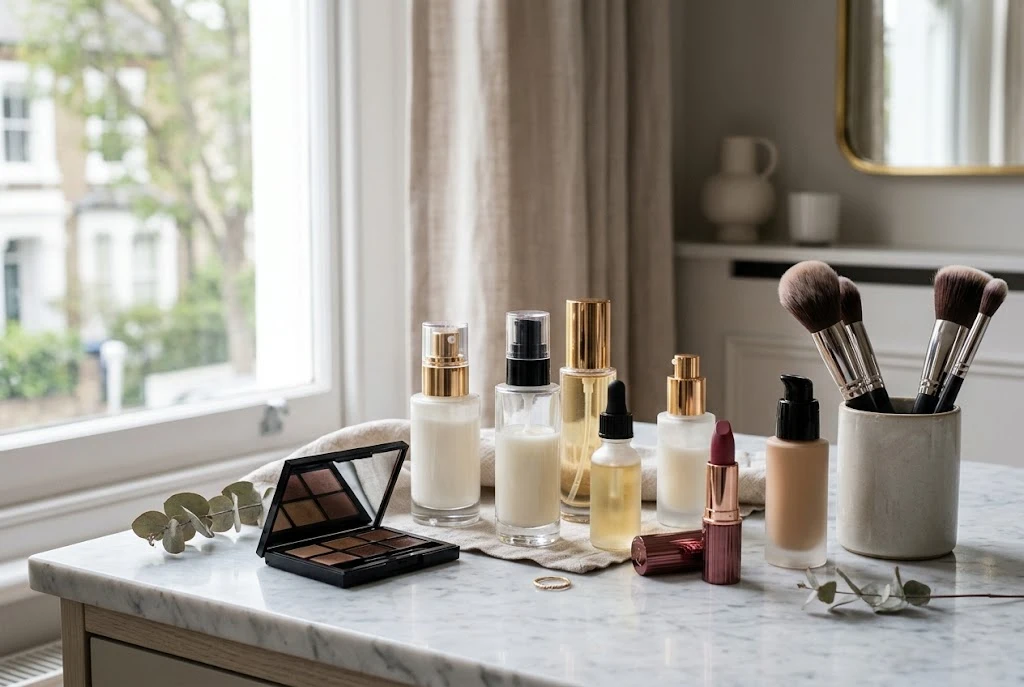
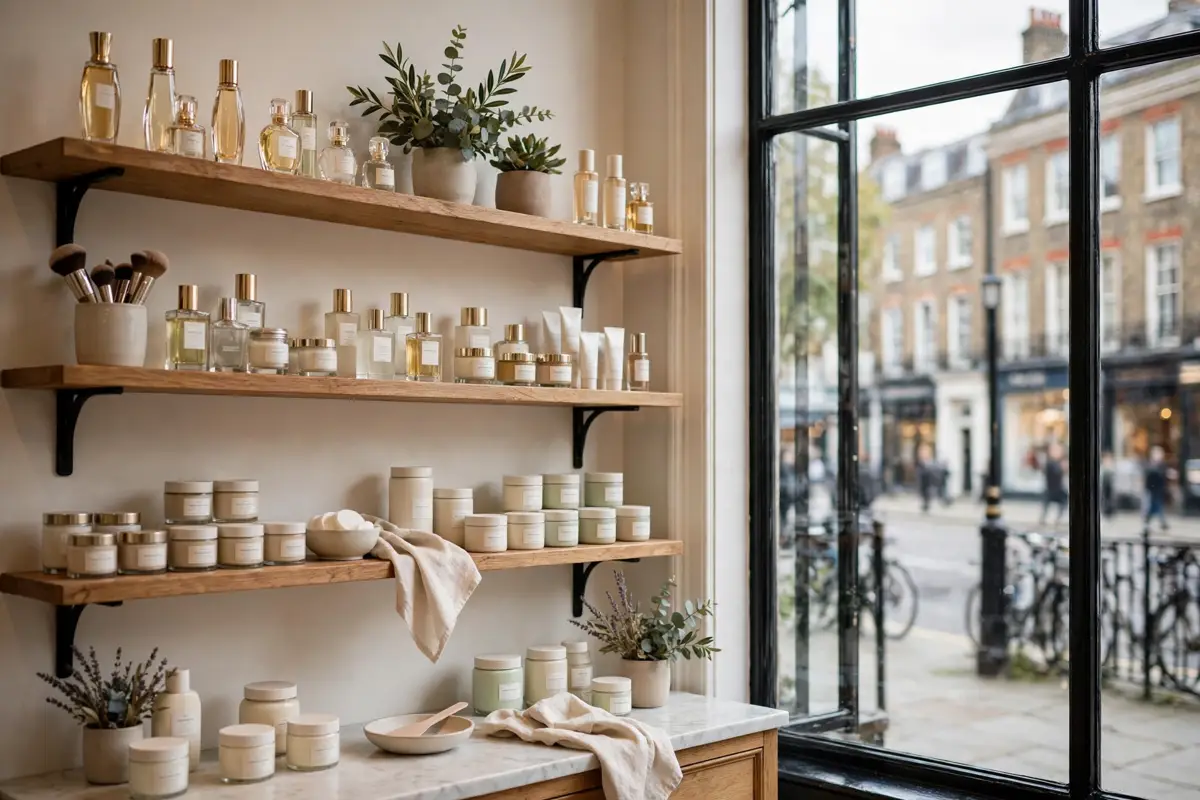
Beauty in the UK is not a single market but a collection of connected ones. Skincare is the largest segment, driven by daily routines, ingredient awareness, and the growth of both premium and affordable brands. Makeup remains huge, though its growth has shifted toward hybrid products that combine colour with skincare benefits. Haircare has grown strongly, helped by specialist products for different hair types and by the rise of scalp care. Fragrance, once dominated by a few big names, now includes niche and independent perfumers alongside designer houses.
How Big Is the UK Beauty Market?
The UK beauty market is worth billions of pounds a year, and it has proved remarkably resilient: even when household budgets tighten, many shoppers protect their beauty spending, trading down to cheaper products rather than stopping altogether. This “lipstick effect” — small treats surviving hard times — helps explain why beauty retail has held up better than many other high street sectors.
Growth comes from several directions at once. New brands launch constantly, often online first, reaching customers through social media and creator recommendations rather than expensive advertising. Established brands expand into new categories. Retailers invest in beauty halls, dedicated beauty floors, and online beauty destinations. And shoppers themselves drive growth by discovering new routines, ingredients, and products through the content they consume every day.
Our pillar guide to the UK beauty industry gives the wider industry picture, including manufacturing, employment, and the structure of the sector behind the shops.
The Main Segments of the UK Beauty Market
Skincare leads the UK beauty market, with cleansers, moisturisers, serums, and sun protection forming the core of most routines. Shoppers increasingly buy by ingredient — vitamin C, retinol, niacinamide, hyaluronic acid — and by skin concern, rather than by brand alone. This ingredient-led shopping has helped smaller, transparent brands compete with long-established names.
Makeup in the UK spans mass-market brands sold in supermarkets and pharmacies through to premium and luxury lines in department stores. Trends move quickly: skin tints and tinted moisturisers have grown as shoppers favour lighter, more natural finishes, while bold colour and creative makeup continue to thrive through social media trends and seasonal launches.
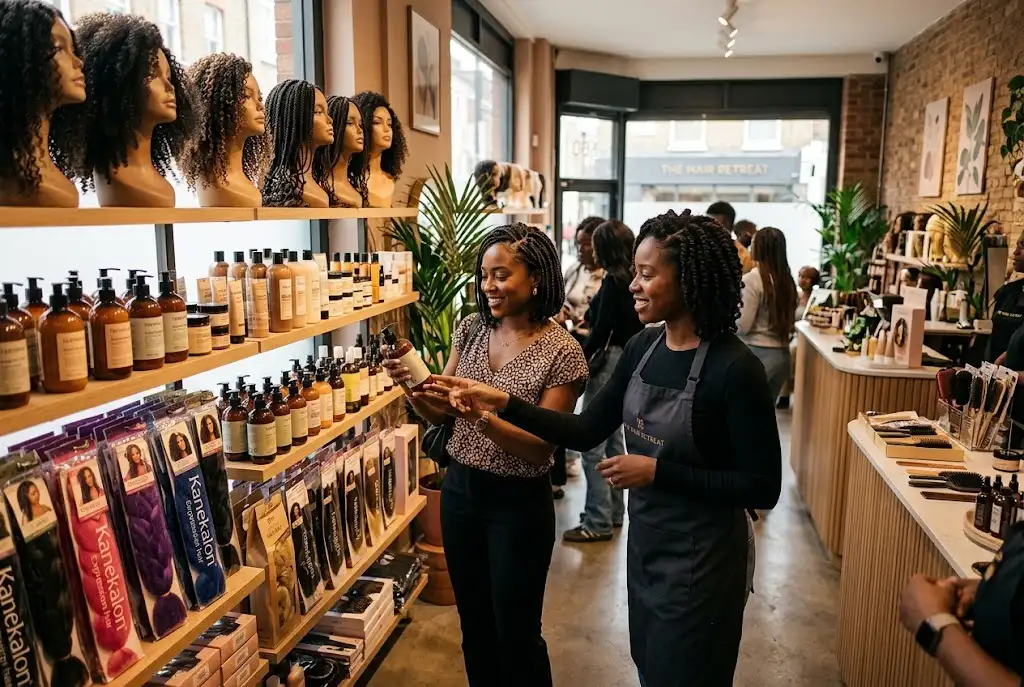
Haircare covers shampoos, treatments, styling products, and colour, with growing attention to hair health, scalp care, and products for textured and curly hair. Our guide to black hair shops in the UK covers specialist retail for Afro-Caribbean hair, an important and growing part of the market.
Where Britons Buy Beauty Products
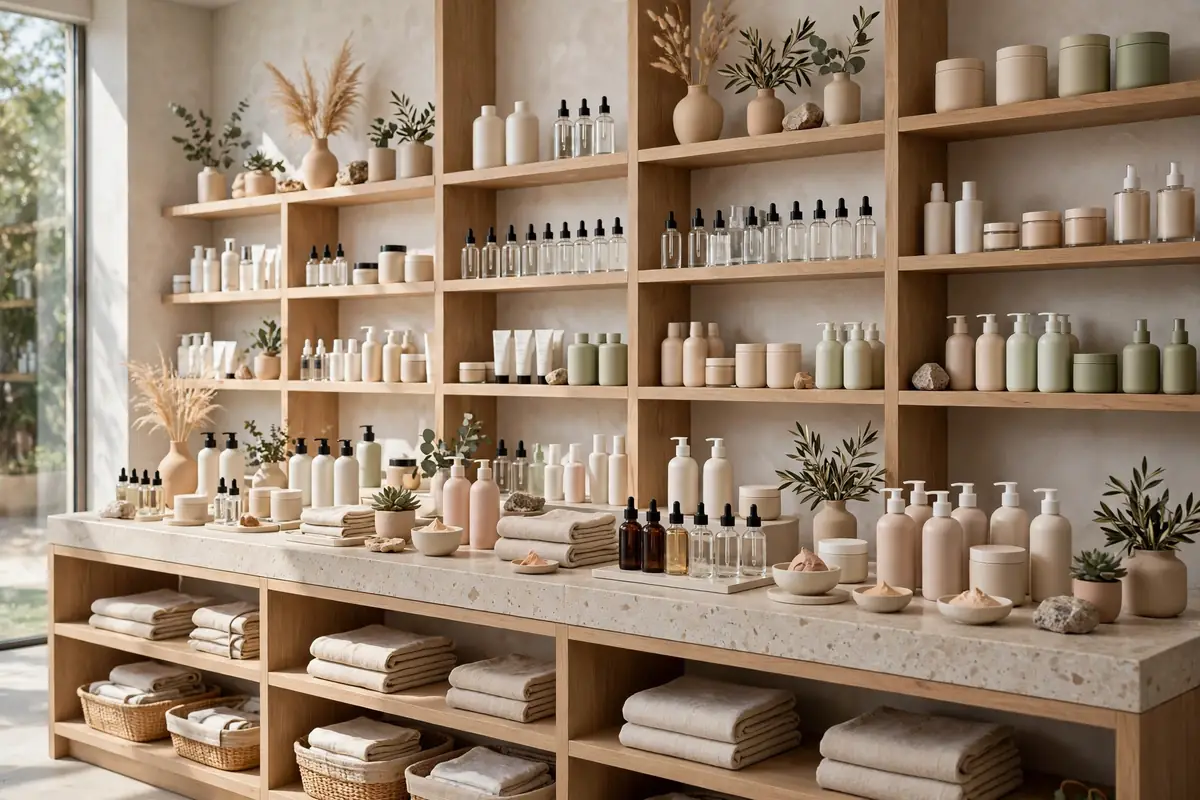
UK beauty shopping happens across many channels. High street chains and department stores remain important for discovery — shoppers can try products, get advice, and see colours in person. Supermarkets and pharmacies serve everyday and mass-market purchases. Online beauty retailers have grown fastest, offering wider ranges, reviews, and delivery, and many brands now sell direct to consumers through their own websites.
Social commerce is increasingly important: shoppers discover products through short videos, creator recommendations, and live shopping, then buy through links or in-app checkouts. This has shortened the path from discovery to purchase and has helped small brands reach national audiences without traditional retail distribution.
For shoppers, our guide to best beauty products explains how to choose wisely among the huge range on offer, while our guide to beauty careers covers the jobs and skills behind the industry.
Key Trends Shaping the UK Beauty Market
Several trends are reshaping the UK beauty market. Sustainability matters more: shoppers ask about packaging, refill options, cruelty-free status, and ingredient sourcing, and brands that answer clearly earn trust. Personalisation is growing, from shade-matching tools to skincare quizzes that recommend routines. Inclusivity has expanded ranges — more shades, more hair types, more skin tones — though shoppers rightly expect it to be genuine rather than tokenistic.
Technology is changing beauty retail too: virtual try-on tools, AI-powered shade finders, and detailed product information help shoppers buy online with more confidence. And the boundary between beauty and wellness continues to blur, with supplements, sleep, and self-care products marketed alongside traditional cosmetics.
For the content and search side of beauty, see our guide to beauty SEO, and for beauty writing itself, our guide to beauty writing explains how good beauty content is made.
What Shoppers Should Watch
For shoppers, the UK beauty market offers more choice than ever — but choice needs judgement. Compare products by ingredients and results, not just by claims or packaging. Use testers and samples before committing to full sizes, especially for skincare. Check return policies when buying online. And be sceptical of miracle claims: no product transforms skin overnight, and the best routine is usually a simple, consistent one.
For a companion market guide on the automotive side, see our guide to the UK used car market, which explains how Britain’s second-hand car market works for buyers and sellers.
Final Thoughts
The UK beauty market is large, competitive, and constantly changing — driven by skincare innovation, diverse retail channels, sustainability, personalisation, and the shoppers who shape it every day. Whether you buy beauty products, sell them, or work in the industry, understanding its segments, channels, and trends helps you navigate it better. And as the market keeps evolving, the brands and retailers that listen to shoppers — on range, on honesty, on sustainability, and on value — are the ones most likely to thrive.