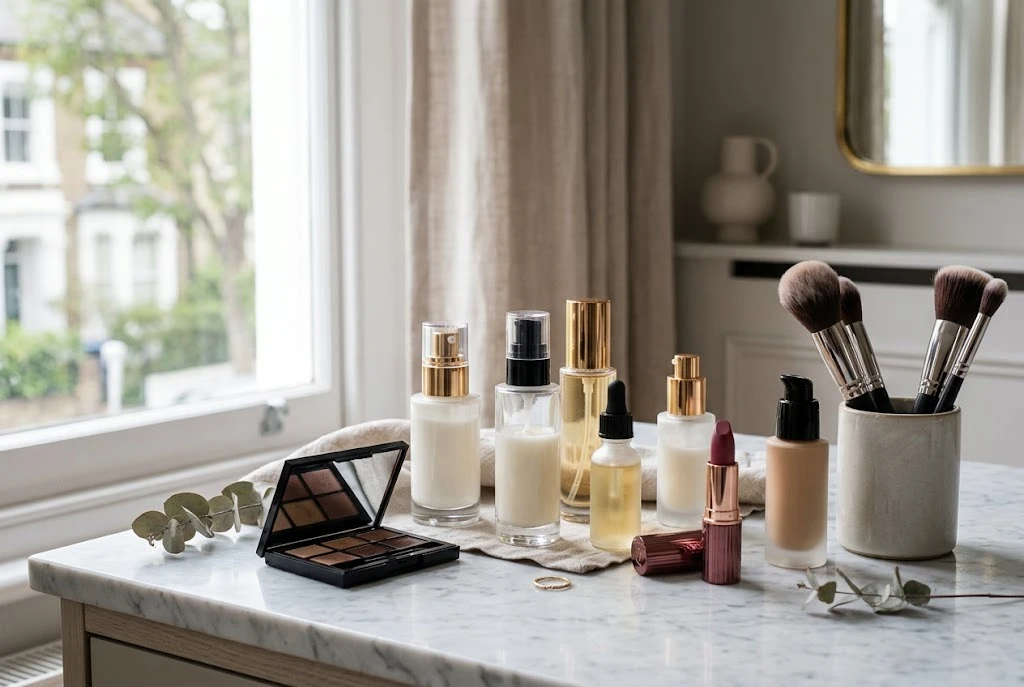

Finding the best beauty products can be surprisingly difficult. Shelves and online stores are filled with skincare, makeup, haircare and cosmetic options, while product claims can make it hard to understand which choices are genuinely suitable for your needs. A better approach is to look beyond popularity and consider ingredients, formulation, intended use, personal preferences, price and the quality of available information.
For UK beauty shoppers, the right product depends on what they want to achieve. Someone building a simple skincare routine may have very different priorities from someone looking for everyday makeup or specialist cosmetics. This guide explains how to assess beauty products, compare alternatives and make more informed purchasing decisions.
How to Choose the Best Beauty Products
The best beauty products are not necessarily the most expensive or the most heavily promoted. A good choice should match the user’s specific needs and fit comfortably into their existing routine.
Before buying a product, consider what you actually want it to do. Is it intended to cleanse, moisturise, provide colour, improve the appearance of makeup or support a particular beauty routine? Once the purpose is clear, it becomes easier to narrow down the options.
It is also worth considering formulation, ingredients, texture and how frequently the product will be used. A product that looks impressive online may not be practical for everyday use.
Best Skincare Products: What Should You Look For?
Skincare products deserve careful consideration because they are used directly on the skin. Instead of choosing based only on packaging or advertising, shoppers should look at the product’s intended purpose and formulation.
Common skincare categories include cleansers, moisturisers, serums, exfoliating products and sun protection. Each serves a different role, so buying several products without understanding how they fit together can make a routine unnecessarily complicated.
A simple routine is often easier to maintain than a long list of products. When comparing beauty products online, readers can also benefit from understanding how search content and product information are organised, particularly when researching unfamiliar ingredients or brands.
Best Beauty Products UK Shoppers Should Compare Carefully
Shopping for the best beauty products UK consumers can access involves more than checking which items appear at the top of a retailer’s page. Availability, pricing, product size, ingredients and retailer information can all affect the overall value.
UK shoppers may also encounter products from international brands, making it useful to check the actual product specifications rather than relying solely on promotional descriptions. Product names can sometimes be similar across different ranges, so reading the full details helps avoid buying the wrong formulation.
When shopping online, compare the amount of product supplied as well as the headline price. A lower-priced item is not automatically better value if it contains considerably less product.
Best Skincare UK Choices Depend on Your Routine
There is no universal list of the best skincare UK shoppers should purchase. Skincare preferences vary considerably, and a product that works well for one person may not be the right choice for another.
Instead of following every new trend, start with the basic needs of your routine. Consider whether you need cleansing, hydration, moisturising or daily protection. From there, additional products can be introduced when there is a clear reason for using them.
This approach also makes product comparisons easier. Rather than comparing ten unrelated serums, for example, you can compare a smaller group designed for the same purpose and examine their differences more carefully.
Best Makeup Products for Everyday Use
Makeup shopping can involve an equally large number of choices. Foundation, concealer, mascara, lipstick, blush and other cosmetics all come in different formulas and finishes.
The best makeup products for everyday use should suit the way you actually wear makeup. Someone who prefers a quick routine may value easy application and versatile products, while someone who enjoys detailed makeup looks may prioritise shade variety and different finishes.
When comparing makeup, consider colour, texture, application method, longevity and whether the product works with other items already in your routine.
It is also useful to distinguish between products designed for occasional use and those you expect to reach for every day. A premium product may make sense for a specific purpose, while a simpler alternative may be more practical for routine use.
How to Evaluate Beauty Product Recommendations
Beauty product recommendations can save time, but they should not automatically be treated as objective advice. Recommendations may come from editors, influencers, retailers, brands or individual consumers, and each source can have different priorities.
A useful recommendation should explain why a product is being suggested. Look for information about its intended use, key features, formulation and potential limitations rather than a simple statement that something is “amazing” or “must-have”.
Context is particularly important. A product recommendation aimed at someone with a minimalist beauty routine may not be useful to someone who enjoys experimenting with multiple products.
Beauty Product Comparisons: What Matters Most?
Good beauty product comparisons make it easier to understand the practical differences between similar products. Rather than focusing on one feature, compare the factors that matter to the intended user.
These may include:
- Product purpose and intended use.
- Ingredients and formulation.
- Texture and application.
- Size and amount supplied.
- Price and overall value.
- Available shades or variations.
- Brand and retailer information.
- Suitability for the user’s routine.
The comparison should remain focused. If two products perform the same basic function, readers need a clear explanation of what separates them rather than pages of repeated marketing language.
How to Assess the Best Cosmetics
The phrase best cosmetics can cover almost anything from complexion products to colour cosmetics and specialist makeup. Consequently, the most useful evaluation depends on the category.
For complexion products, shade selection and finish may be especially important. For eye makeup, application and wear can matter more. For lip products, colour, texture and finish may dominate the decision.
Rather than searching for one definitive winner, shoppers can create a shortlist based on their own requirements. This makes the buying process more personal and reduces the temptation to purchase products simply because they are currently popular.
Using Beauty Product Reviews Effectively
Beauty product reviews can provide useful practical information, particularly when they explain how a product performs in real-world use. However, readers should look for detailed observations rather than relying entirely on a star rating.
A useful review can discuss application, texture, packaging, usability and whether the product delivers what its description promises. It should also make clear when an observation represents personal preference rather than a universal fact.
Comparing several independent perspectives can provide a more balanced picture. If different reviewers consistently mention the same practical strength or limitation, that information may be more useful than one highly enthusiastic review.
How to Avoid Beauty Shopping Mistakes
Beauty shopping becomes easier when you know which common mistakes to avoid. Buying too many products at once is one of the simplest ways to waste money. A large collection can also make it difficult to understand which products are actually useful.
Another mistake is buying solely because something is trending. Trends can be enjoyable, but popularity does not automatically mean that a product matches your preferences or routine.
It is also worth checking the full product description before purchasing. Packaging images can make products look similar even when their formulation, shade or intended purpose differs.
Finally, avoid assuming that a higher price guarantees better results. Price can reflect branding, packaging, formulation and other factors. Value should be assessed in relation to what the product actually offers.
Where Product Guides Fit Into Beauty Publishing
High-quality product guides can become an important part of a beauty website’s wider editorial strategy. A useful guide can answer consumer questions while connecting naturally with educational articles about beauty routines, ingredients, product categories and shopping decisions.
For example, readers researching beauty products may also want to understand how professional writers evaluate beauty information. The site’s beauty writing guide provides a natural editorial connection for readers interested in the publishing side of the industry.
Likewise, product-focused content can sit alongside broader beauty resources without forcing every article to target the same search intent. This creates a more useful content ecosystem and reduces unnecessary repetition between pages.
Making Smarter Beauty Buying Decisions
The best way to choose beauty products is to start with your own requirements rather than a generic ranking. Define the purpose, compare relevant options, read detailed product information and consider whether the purchase fits your existing routine.
For skincare and cosmetics alike, quality information is more valuable than hype. Product recommendations should provide context, comparisons should explain meaningful differences, and reviews should make it clear what is based on personal experience.
As the beauty market continues to expand, informed shoppers have more choice than ever. That makes thoughtful product selection increasingly important. By focusing on purpose, formulation, value and suitability, UK consumers can build beauty collections that are more useful, practical and aligned with their individual preferences.
Final Thoughts on the Best Beauty Products
The best beauty products are ultimately the ones that make sense for the person using them. There is no single collection that will suit every reader, and popularity alone is not enough to determine quality or value.
Whether you are comparing skincare, makeup or cosmetics, take time to understand what each product offers and how it fits your needs. A thoughtful approach to beauty shopping can reduce unnecessary purchases while helping you discover products that genuinely earn a place in your routine.