
Understanding car service cost has become increasingly important for UK motorists as garages manage changing labour rates, parts prices, operating expenses and wider inflation. The amount you pay for servicing or repairs can vary significantly depending on the vehicle, work required, garage location and type of parts used. For drivers trying to manage household budgets, knowing what influences maintenance pricing can make it easier to compare quotations and plan future spending.
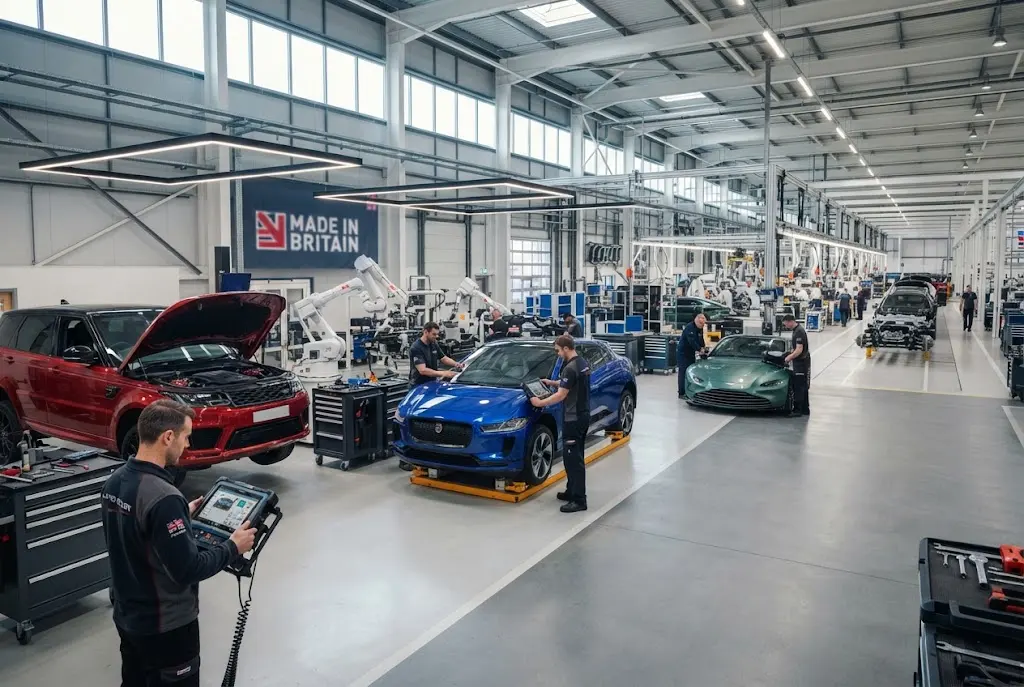
Car servicing is also closely connected to wider changes across the UK automotive sector. As vehicles become more technically advanced, workshops need specialist equipment, diagnostic systems and trained technicians. At the same time, motorists may face different pricing depending on regional operating costs and the complexity of individual repairs.
What Determines Car Service Cost in the UK?
There is no single price that applies to every vehicle service. A basic scheduled service on a small petrol car is very different from a major service on a larger vehicle with advanced electronic systems. The age, make, model and mileage of a vehicle can all influence the work required.
The service schedule specified by the manufacturer is another important factor. Some vehicles require relatively straightforward checks and fluid changes, while others have more extensive inspection and replacement requirements. A quotation should therefore be considered in the context of the actual work included rather than judged by the headline price alone.
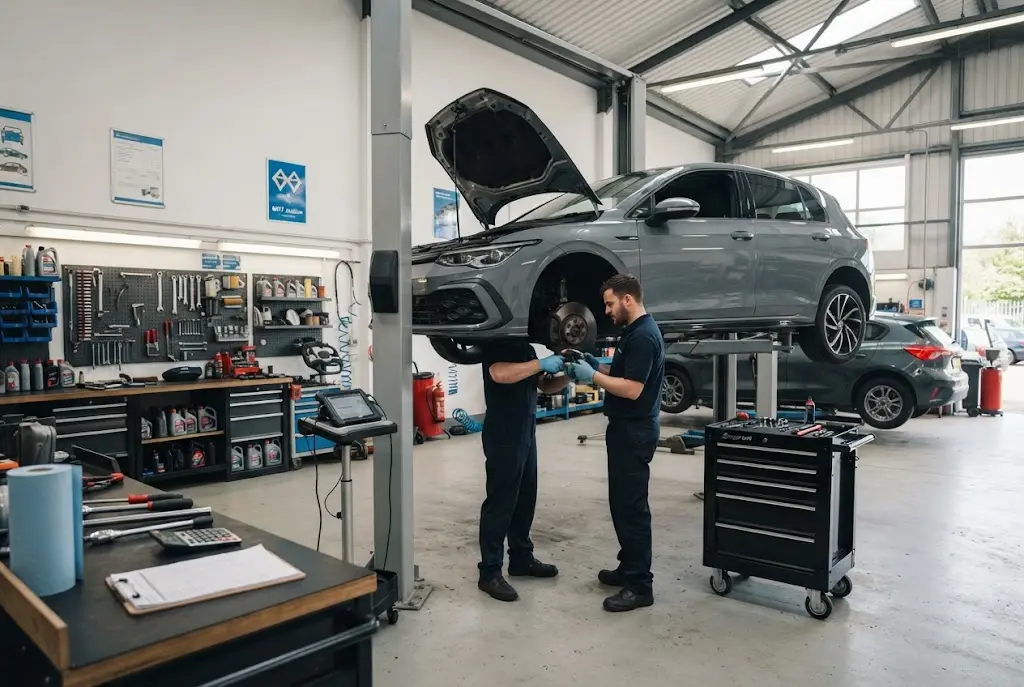
Drivers should also distinguish between routine servicing and unexpected repair costs. A service is planned maintenance designed to help keep a vehicle operating correctly, whereas a repair normally addresses a specific fault or worn component.
How Labour Costs Affect Maintenance Pricing
Labour is one of the most important components of garage pricing. Workshops have to cover technician wages, training, premises, equipment, utilities, insurance and other operating costs. As these expenses change, businesses may need to adjust their hourly labour rates.
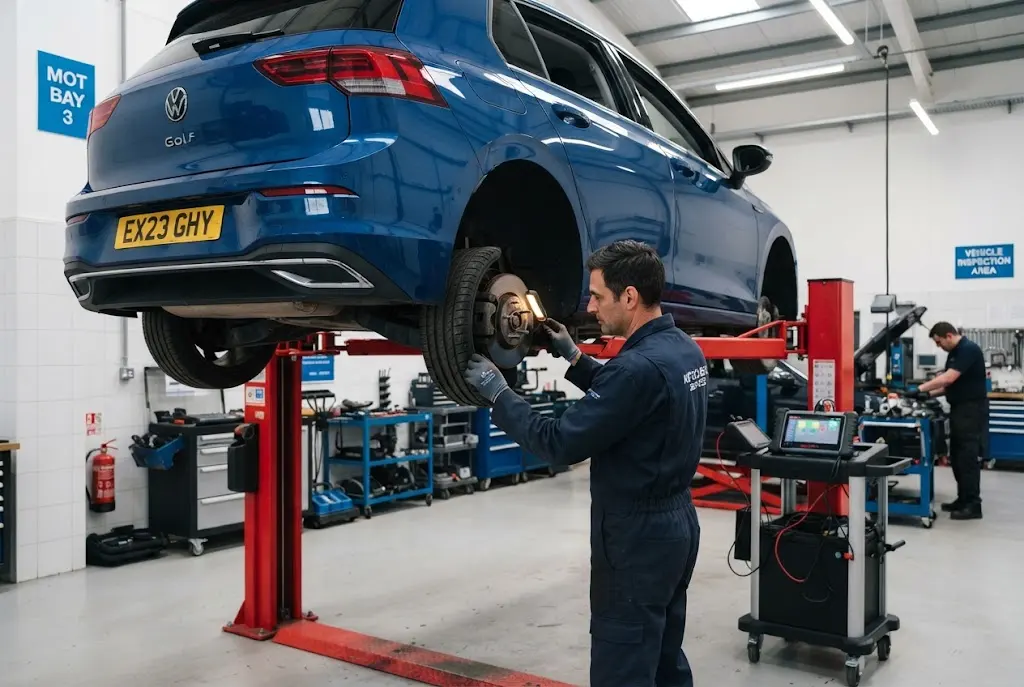
Modern vehicles can also require more specialised expertise. Diagnostic equipment is increasingly important when technicians are investigating electronic faults, warning lights or complex vehicle systems. This means that the labour involved in identifying a problem may extend beyond simply replacing a component.
Higher labour costs do not necessarily mean that a garage is charging excessively. A workshop investing in qualified technicians, diagnostic equipment and appropriate facilities has substantial costs to recover. For motorists, the useful comparison is therefore the total scope of work, technician expertise and parts specification rather than labour rate alone.
Inflation and UK Automotive Repair Costs
Inflation can influence several parts of the automotive maintenance chain. Garages may experience changes in the cost of equipment, energy, premises, consumables, replacement parts and other business expenses. These costs can ultimately affect the prices offered to customers.
Official UK statistics show that maintenance and repair services have experienced notable price movement in recent years. The Office for National Statistics recorded an annual producer price increase of 8.3% for maintenance and repair services of motor vehicles in the second quarter of 2026. Its producer price index for the sector also reached 161.4 in Q2 2026, compared with 150.9 for 2025 as a whole.
However, inflation does not affect every automotive service in exactly the same way. Parts, labour, energy, transport and business overheads can move at different rates. Consequently, individual repair quotations can vary even when broader pricing trends are moving in the same direction.
The Office for National Statistics consumer price inflation data also includes vehicle maintenance and repair within its transport-related price measures, demonstrating how these services are tracked as part of household expenditure.
Why Repair Costs Can Vary Between Vehicles
Two cars that appear similar from the outside can have very different maintenance requirements. Engine configuration, transmission type, braking systems, suspension components and electronic equipment can all affect the time and parts required for a repair.
Vehicle age can also influence repair costs. Older cars may require replacement components because of wear and deterioration, while newer vehicles can involve more sophisticated electronics and manufacturer-specific systems. In either case, a proper diagnosis should come before approving significant repair work.
Parts selection is another major consideration. A garage may offer genuine manufacturer parts, original-equipment alternatives or other compatible components, depending on the vehicle and repair. These options can have different prices, warranties and availability, so motorists should ask what is included in a quotation.
Regional Pricing Across the UK
Regional pricing is another reason that car service cost can differ from one location to another. A workshop operating in an area with higher commercial rents, wages and other business expenses may have a different pricing structure from a garage in a lower-cost area.
Competition can also influence local pricing. Areas with many independent garages, manufacturer dealerships and specialist workshops may give consumers a wider range of quotations. Meanwhile, specialist services may command different rates because they require particular equipment or expertise.
For drivers, comparing several local quotations can provide useful context. However, the cheapest quotation is not automatically the most suitable. The comparison should consider the work included, parts specification, warranty, diagnostic process and reputation of the workshop.
How Consumer Spending Influences Vehicle Maintenance
Household budgets can influence when motorists choose to service or repair their vehicles. When everyday expenses rise, some drivers may postpone non-urgent maintenance. While delaying unnecessary cosmetic work may be relatively straightforward, postponing essential maintenance can allow a small problem to become more serious.
Planned servicing can help motorists identify potential issues before they develop into larger problems. Keeping records of completed work also provides a useful maintenance history and can help owners understand when future expenditure may be required.
Instead of focusing only on the immediate price, drivers can consider maintenance as part of the overall cost of owning a vehicle. Regular servicing, inspections and timely repairs can help support reliability and predictable budgeting.
Understanding Current Pricing Trends
Current pricing trends should be interpreted carefully. A national inflation figure does not represent the exact price charged by every garage. The ONS data provides an indication of movements across the maintenance and repair services sector, while individual motorists experience prices based on their vehicle, location and required work.
Recent official data illustrates why automotive pricing deserves ongoing attention. In Q2 2026, ONS reported a 3.4% quarterly increase and an 8.3% annual increase for maintenance and repair services of motor vehicles in its services producer price statistics.
These trends are relevant to both consumers and automotive businesses. Drivers need clearer information when budgeting for maintenance, while workshops need to account for changing operating costs without compromising service quality.
How to Compare a Car Service Quote
A useful quotation should explain what the customer is actually receiving. Before approving work, ask whether the price includes labour, parts, fluids, inspections and any applicable additional charges.
It is also worth asking whether diagnostic work is included and what type of replacement parts will be fitted. If a quotation identifies additional faults, request an explanation of their urgency and whether the work can safely be scheduled for a later date.
Comparing like-for-like quotations is much more useful than comparing headline prices. A cheaper quote may cover fewer checks or use a different parts specification, while a higher quote may include additional work that another garage has excluded.
Planning Ahead for Vehicle Maintenance
Motorists can make maintenance spending easier to manage by following the manufacturer’s recommended service schedule, keeping records and addressing warning signs promptly. Regular checks can also help owners identify wear before it develops into a more expensive failure.
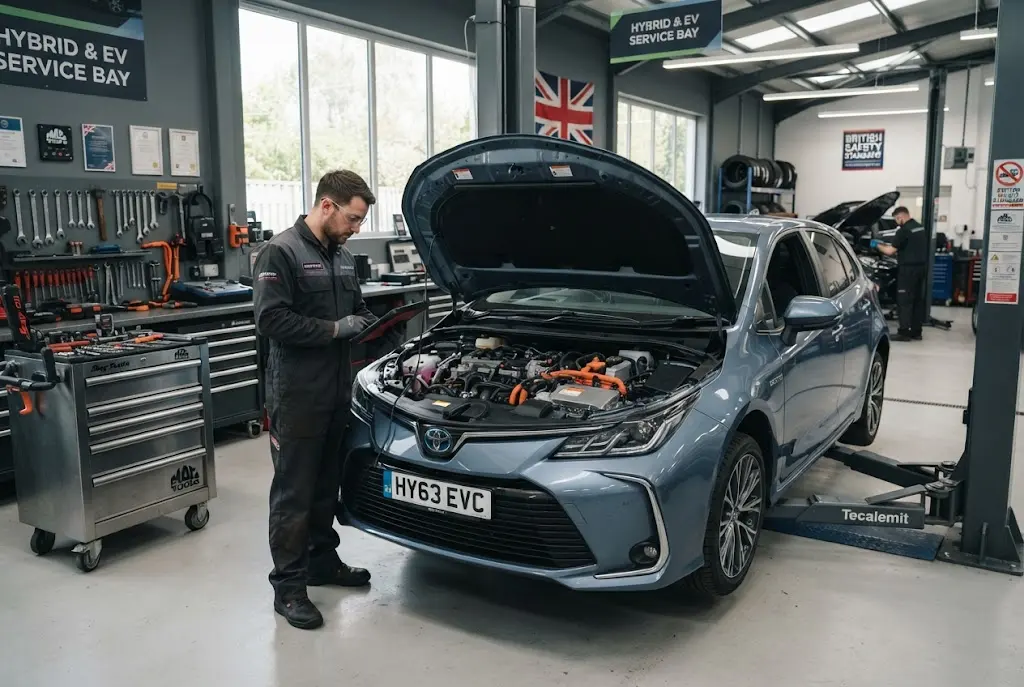
As the UK automotive market continues to evolve, traditional servicing is also being joined by specialist areas such as hybrid and electric vehicle maintenance. Drivers can learn more about hybrid servicing in the UK when considering how maintenance requirements differ between conventional and hybrid vehicles.
For electric cars, EV servicing in the UK provides a useful related area of consideration, particularly as vehicle technology and workshop capabilities continue to develop.
Car Service Cost and the Future of the UK Auto Services Market
Car service cost is likely to remain an important consideration for UK motorists as workshops adapt to changing vehicle technology, labour requirements and business expenses. At the same time, customers are becoming more interested in transparent quotations and better value from routine maintenance.
Understanding the factors behind pricing can make automotive spending easier to manage. Labour, parts, vehicle complexity, workshop operating costs, location and wider inflation can all contribute to the final bill. Rather than relying on a single national price, motorists should compare the actual work being offered and choose a service that matches their vehicle’s requirements.
For a broader view of the sector, the UK automotive service companies market provides useful context on the businesses operating across the wider aftermarket. Keeping these related developments in view helps explain why maintenance pricing continues to evolve alongside the wider automotive industry.