
Auto inspection services play an important role in understanding a vehicle’s condition, identifying potential safety issues and supporting compliance with UK inspection requirements. While an MOT is a statutory test with defined standards, broader vehicle inspection services can examine a car in greater detail depending on the purpose of the inspection.
Drivers may arrange an inspection before buying a used vehicle, when investigating a fault, after an accident, or as part of ongoing vehicle maintenance. Businesses and workshops may also use structured inspection procedures to support quality assurance and identify issues that require further diagnosis or repair.
What Are Auto Inspection Services?
Auto inspection services cover a range of checks designed to assess the condition, safety or compliance of a vehicle. The exact scope depends on the type of inspection being requested.
A basic vehicle inspection might focus on visible mechanical and safety components, while a more detailed diagnostic inspection could involve electronic systems and specialist equipment. A pre-purchase inspection may examine the vehicle from the perspective of its overall condition, helping a prospective buyer understand potential maintenance requirements before committing to a purchase.
These inspections should not automatically be treated as equivalent to an MOT. The MOT has a specific statutory purpose and follows defined inspection procedures. A private vehicle inspection can have a much broader or more specialised objective.
How Vehicle Inspection Works in the UK
For statutory MOT testing in Great Britain, the Driver and Vehicle Standards Agency (DVSA) provides inspection manuals specifying the procedures and standards that testers must follow. The current car and passenger vehicle manual covers areas including brakes, steering, visibility, lighting, axles, wheels, tyres, suspension, body structure, safety equipment and emissions.
The inspection process is structured rather than being a general visual assessment. The DVSA manual explains that testers must use approved equipment and follow the relevant inspection procedures. Test results are recorded through the MOT testing service once the examination is complete.
This provides a useful distinction between regulated testing and wider inspection services. A customer requesting an independent vehicle inspection should establish exactly what the inspection includes before booking.
Safety Inspections and Roadworthiness
Safety is one of the main reasons motorists arrange vehicle inspections. Components such as brakes, steering, tyres and suspension can have a direct effect on how a vehicle behaves on the road.
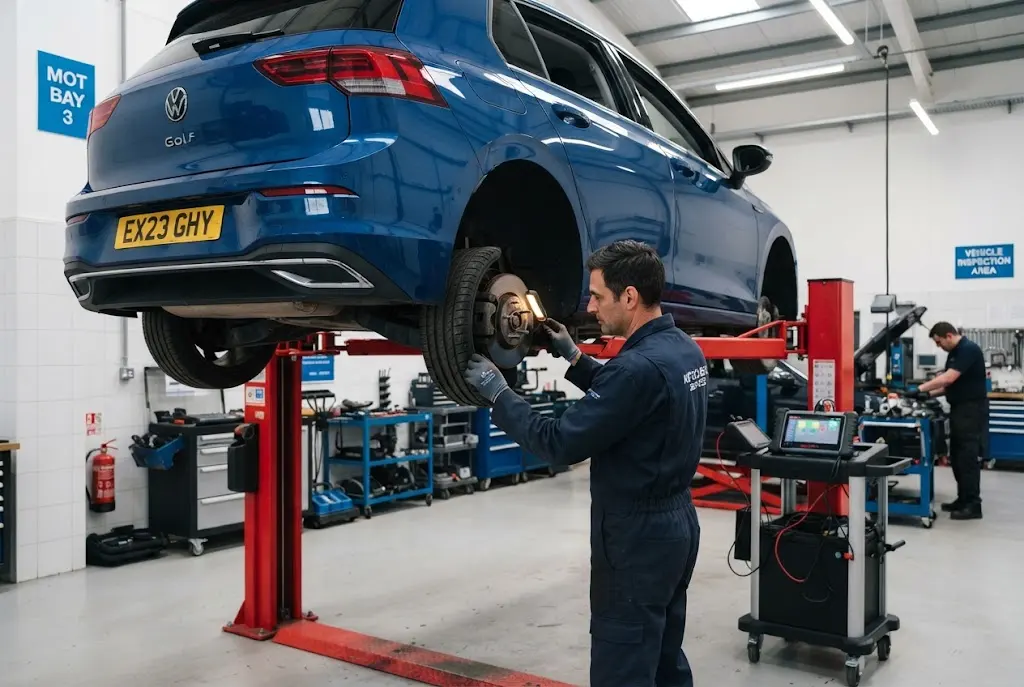
The DVSA’s MOT inspection manual contains dedicated requirements for braking systems, including service brakes, parking brakes, anti-lock braking systems and related components. It also specifies inspection requirements for wheels, tyres and suspension.
A broader safety inspection can provide an opportunity to examine the vehicle beyond a single statutory test. For example, a workshop may identify signs of wear and recommend maintenance even when a component does not currently meet the threshold for an MOT defect.
However, inspection findings should be explained clearly. Customers need to know whether an issue represents an immediate safety concern, a maintenance recommendation or a component that can reasonably be monitored.
Auto Inspection Services and MOT Standards
Auto inspection services are often discussed alongside MOT testing because both involve examining vehicle condition. However, they should not be confused.
The MOT inspection manual is specifically designed for statutory MOT testing. It sets out the application, procedures and standards for the relevant vehicle classes. Defects identified during the MOT are categorised according to their severity, including minor, major and dangerous classifications.
A vehicle with only minor defects can pass its MOT, whereas major or dangerous defects result in a failure under the applicable testing rules.
An independent inspection may use additional checks that are not part of the statutory MOT. Consequently, a buyer or vehicle owner should ask whether the service is an MOT, a general condition inspection, a diagnostic assessment or a combination of services.
Diagnostic Inspections for Modern Vehicles
Modern vehicles increasingly rely on electronic control systems, sensors and computerised components. As a result, diagnostic inspections have become an important part of investigating warning lights and electronic faults.
A diagnostic inspection may involve connecting suitable equipment to the vehicle, interpreting stored fault information and carrying out additional physical checks. Diagnostic information can help a technician determine where further investigation is required, but a fault code alone does not necessarily identify the complete cause of a problem.
This is particularly relevant when a vehicle has intermittent faults. A workshop may need to combine electronic diagnostic information with physical inspection and the vehicle’s service history to reach a reliable conclusion.
Inspection Procedures and Quality Assurance
Consistent inspection procedures help workshops produce clearer and more reliable assessments. A structured process can reduce the chance of important areas being overlooked and makes it easier to explain findings to customers.
For regulated MOT testing, the DVSA publishes detailed manuals and a separate testing guide for authorised examiners and testers. The testing guide sets out requirements concerning the operation of MOT testing stations, including facilities, equipment, security and tester responsibilities.
The DVSA also maintains an official collection of MOT manuals, checklists and special notices. This is important because inspection requirements and procedures can be updated over time.
For motorists, this means that an inspection provider should be able to explain what type of inspection is being carried out and what standards or procedures apply to it.
Vehicle Inspection Before Buying a Used Car
A pre-purchase vehicle inspection can be useful when buying a used car, particularly where the buyer has limited mechanical knowledge. The inspection can focus on areas such as body condition, tyres, brakes, suspension, engine operation, fluid leaks, warning lights and visible signs of previous repairs.
It can also provide context around future maintenance. For example, a vehicle may be roadworthy but have tyres, brakes or suspension components that are approaching the end of their useful service life.
An inspection should not be presented as a guarantee that a used vehicle will remain fault-free. Instead, its value lies in giving the buyer additional information before making a purchasing decision.
Checking the vehicle’s MOT history separately is also useful. The statutory MOT record and an independent inspection provide different types of information and should be considered together.
Compliance Inspections and Regulatory Requirements
Compliance inspections focus on whether a vehicle or particular component meets an applicable requirement. In the UK, statutory MOT testing is governed by defined inspection standards, while other inspections may relate to specific commercial, operational or manufacturer requirements.
Vehicle owners and operators should therefore identify the exact compliance requirement that applies to their vehicle rather than assuming that every inspection has the same legal status.
The DVSA manual also notes that MOT testing is carried out without dismantling the vehicle in the normal course of the statutory test. Some components may therefore require separate diagnostic or maintenance work if a deeper examination is necessary.
When Should You Book an Inspection?
There is no single inspection schedule that applies to every type of private vehicle inspection. The appropriate timing depends on why the inspection is required.
Useful occasions can include buying a used vehicle, investigating a persistent warning light, preparing a vehicle for a long journey, checking suspected mechanical wear or assessing a vehicle following an incident.
Routine servicing remains important as well. Understanding car service cost in the UK can help motorists budget for maintenance separately from inspection expenses.
Drivers should also remember that an inspection does not replace a required MOT. The MOT and service should be treated as separate parts of a broader vehicle maintenance plan.
Choosing Auto Inspection Services
Before booking, ask the workshop what the inspection covers and whether a written report is provided. It is useful to know whether the assessment includes a visual examination, diagnostic checks, road test, mechanical measurements or other specialist procedures.
Customers should also ask whether the inspection is independent from any repair work. If the same business performs the inspection and then recommends repairs, a clear explanation of the findings and proposed work can help the customer make an informed decision.
For MOT testing, motorists should use an authorised MOT testing station. The official DVSA framework specifies the requirements for organisations and testers conducting statutory MOT tests.
How Inspection Standards Are Changing
Vehicle technology continues to influence inspection procedures. The DVSA’s 2026 updates to the MOT inspection manual, for example, included changes covering zero-emission goods vehicles and other technical inspection details.
This illustrates why inspection standards cannot be treated as permanently fixed. New vehicle technologies, safety systems and powertrains can require changes to testing procedures and technical guidance.
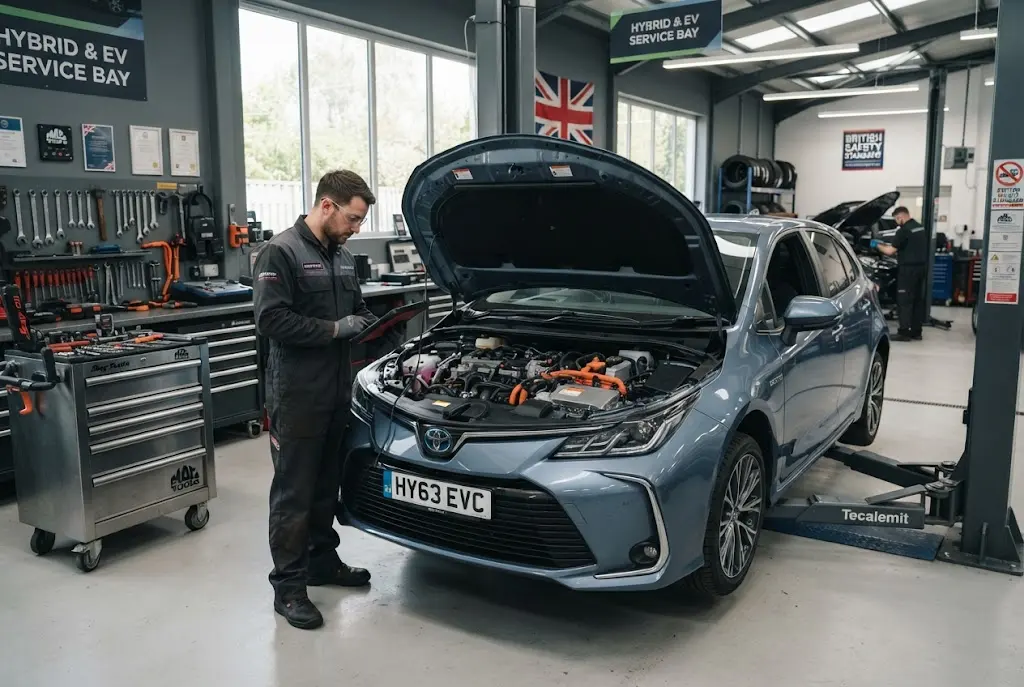
It also creates a growing need for workshops to maintain appropriate technical knowledge and equipment. This is particularly relevant as the UK vehicle parc includes conventional petrol and diesel vehicles alongside hybrids and electric vehicles.
Auto Inspection Services as Part of Vehicle Care
Professional inspection can provide useful information between major maintenance decisions, during vehicle purchases and when a fault needs investigation. The most important consideration is understanding exactly what is being inspected and which standards apply.
For motorists managing ongoing maintenance, inspection services work alongside scheduled servicing and MOT testing rather than replacing them. Drivers considering newer powertrains can also explore hybrid services in the UK and EV servicing and electric vehicle maintenance as workshop requirements continue to evolve.
Ultimately, effective vehicle inspection depends on clear procedures, appropriate equipment and accurate communication. Whether the objective is safety, diagnosis, compliance or pre-purchase assessment, a well-defined inspection gives vehicle owners better information about the condition and maintenance needs of their cars.