A mobile auto service brings vehicle maintenance and repair closer to the customer instead of requiring every vehicle to visit a traditional garage. From routine servicing and minor repairs to roadside assistance and diagnostic work, mobile mechanics are becoming an important part of the UK’s wider automotive service landscape.
This model can benefit drivers who need convenient support while also creating opportunities for self-employed mechanics, small workshops and regional service providers. As operating costs, customer expectations and vehicle technology continue to change, mobile servicing is increasingly relevant to the future of automotive field services across the UK.
What Is a Mobile Auto Service?
A mobile auto service is an automotive business model in which a qualified technician travels to the customer’s location to carry out suitable vehicle work. Depending on the provider, this could mean visiting a home, workplace, car park, fleet depot or roadside location.
The services available vary considerably. Some mobile mechanics concentrate on routine servicing and maintenance, while others specialise in diagnostics, batteries, brakes, electrical faults or specific types of repair. Roadside servicing can also provide assistance when a vehicle develops a problem away from home.
Unlike a conventional garage, a mobile operation does not necessarily require the customer to arrange transport for the vehicle. That difference is central to its appeal, particularly for motorists with busy schedules or vehicles that cannot easily be driven to a workshop.
What Can a Mobile Mechanic Do?
A mobile mechanic can undertake a wide range of routine automotive tasks, although the exact scope depends on the technician, equipment and vehicle.
Common examples can include:
- Routine vehicle servicing
- Oil and filter changes
- Battery replacement
- Brake pad and disc work
- Vehicle diagnostics
- Selected mechanical repairs
- Cooling-system checks and repairs
- Some electrical fault diagnosis
- Maintenance inspections
RAC’s current mobile-mechanic guidance lists diagnostics, servicing, battery replacement, brake work and a range of common mechanical repairs among the tasks that can be carried out by mobile technicians.
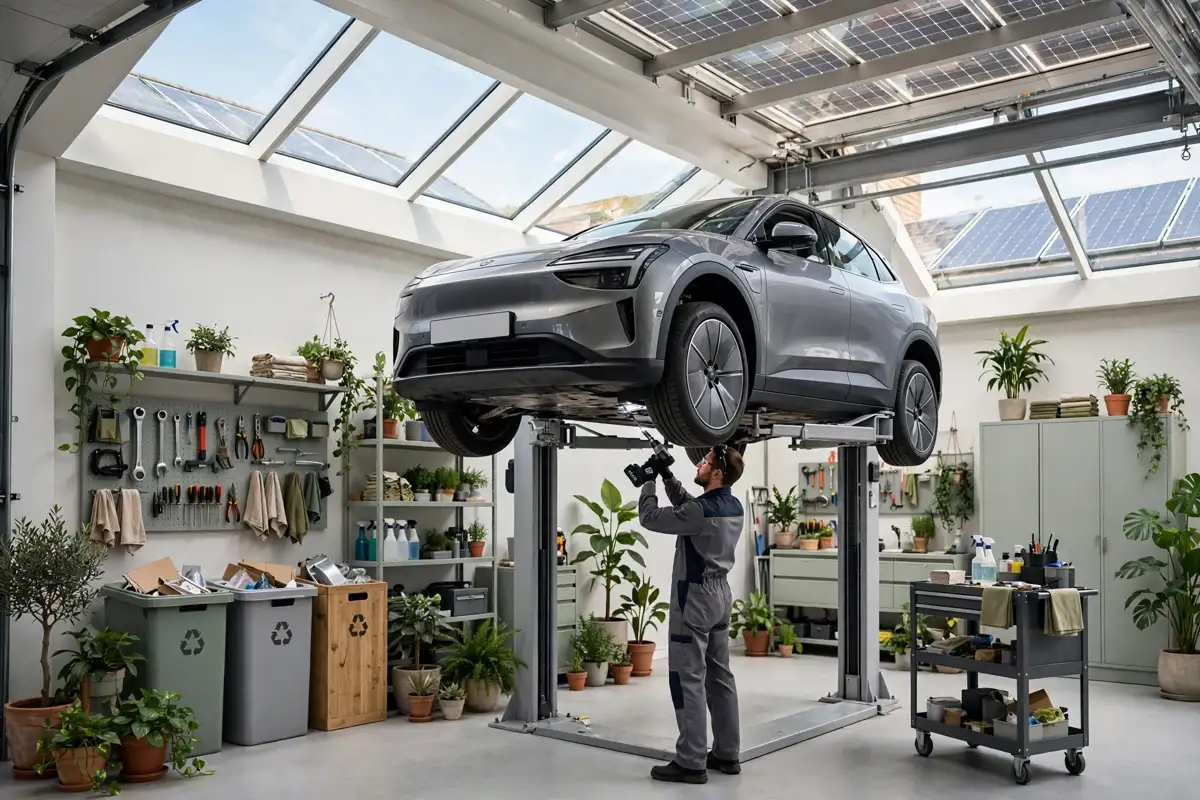
However, not every repair is suitable for a mobile environment. Jobs requiring vehicle lifts, specialist workshop machinery, extensive dismantling or particular calibration equipment may need to be completed at a fixed service centre.
Why Mobile Auto Service Is Growing in Importance
Convenience is one of the strongest reasons customers consider mobile servicing. A vehicle owner may prefer to have a technician visit their home rather than spend time travelling to a garage, waiting for an appointment and arranging alternative transport.
Research published by RAC Mobile Mechanics in May 2025 found that 27% of surveyed drivers regarded getting their vehicle repaired or serviced as a hassle. Among those who considered it a hassle, 68% identified the time involved in travelling to and from a garage as their biggest complaint.
Businesses can benefit from the same flexibility. A company operating several vehicles may be able to arrange maintenance at its premises, potentially reducing the disruption associated with moving vehicles between locations.
RAC reported in October 2025 that four in 10 surveyed drivers had been left without their vehicle for a day or more following an unplanned repair. The organisation also reported a four-fold increase in its mobile-mechanic bookings over the previous year.
These figures relate specifically to RAC research and its own mobile service, rather than the entire UK market. Nevertheless, they illustrate why reducing vehicle downtime can be an important part of the mobile-service proposition.
However, convenience is not the only factor. Mobile servicing can also give independent automotive professionals another way to reach customers without maintaining the same type of premises as a large workshop. This can make the model attractive to experienced technicians looking to establish or expand an independent business.
Mobile Mechanics and Self-Employment
The mobile mechanic model can create opportunities for self-employed mechanics who want greater control over their working arrangements. Instead of operating exclusively from a fixed workshop, a technician can build a local customer base and schedule jobs around geographic areas and service requirements.
This approach still requires careful business planning. A mobile mechanic needs appropriate tools, equipment, insurance, transport, waste-management arrangements and a reliable way to manage bookings and customer communication. Depending on the work undertaken, additional equipment or specialist facilities may also be necessary.
GOV.UK currently provides simplified-expense rules for eligible self-employed people using vehicles for business purposes. For the 2026-27 tax year, the simplified mileage rate for cars and goods vehicles is 55p per mile for the first 10,000 business miles and 25p per mile thereafter. The rules have specific eligibility requirements, so mobile operators should check the current HMRC guidance rather than assuming a particular accounting method applies to them.
Professional competence remains essential. Mobile servicing does not remove the need for technicians to follow appropriate safety procedures, use suitable equipment and understand the requirements associated with the work being performed.
How Mobile Servicing Supports SME Workshops
Small and medium-sized automotive businesses can use mobile operations as an additional service channel rather than treating them as a direct replacement for fixed workshops. Some jobs are well suited to a customer’s location, while others require lifting equipment, specialist machinery or a controlled workshop environment.
This creates opportunities for SME workshops to develop flexible service models. A business could, for example, use mobile technicians for basic maintenance or diagnostic visits while directing more complex repairs to its workshop.
Such a hybrid approach can help businesses serve different customer requirements. It can also make better use of workshop capacity by separating jobs according to the equipment and facilities they require.
The Economic Value of Local Service Providers
Local service providers contribute to the automotive economy by keeping vehicle maintenance and repair activity within local communities. Their customers may include private motorists, tradespeople, delivery businesses, company fleets and other organisations that depend on reliable transport.
When customers have access to nearby automotive services, routine maintenance can be easier to arrange. That matters because vehicles are often essential to employment and business activity, particularly for people who drive as part of their work.
Mobile businesses can also serve locations where access to a traditional workshop is less convenient. By travelling to customers, they can extend the geographical reach of automotive services without requiring every customer to travel to a central premises.
Regional Businesses and the Mobile Servicing Market
The UK automotive market is not uniform. Customer expectations, traffic conditions, business density and travel requirements differ between regions. As a result, the mobile servicing market can develop differently from one area to another.
In urban areas, mobile technicians may focus on convenience for customers who struggle to leave their vehicles at a garage during working hours. In smaller towns and more rural areas, travelling to customers may offer a practical way to cover a wider service area.
For regional businesses, understanding local demand is therefore important. A mobile operation needs to balance the convenience of travelling with the time, fuel and operating expenses involved in covering larger distances.
Roadside Servicing and Customer Convenience
Roadside servicing is one of the most visible forms of mobile automotive assistance. When a vehicle develops a problem away from home, getting professional help at the vehicle’s location can be significantly more convenient than arranging recovery to a garage.
Not every fault can be repaired at the roadside, of course. Some vehicles require specialist equipment or workshop facilities, while certain repairs may not be appropriate in a roadside environment. A responsible provider should be able to determine when a mobile repair is suitable and when further workshop attention is required.
Mobile services can also complement broader vehicle maintenance. For example, a diagnostic visit may identify a problem that requires a more extensive repair, allowing the customer to understand the issue before arranging the appropriate next step.
Technology Is Changing Automotive Field Services
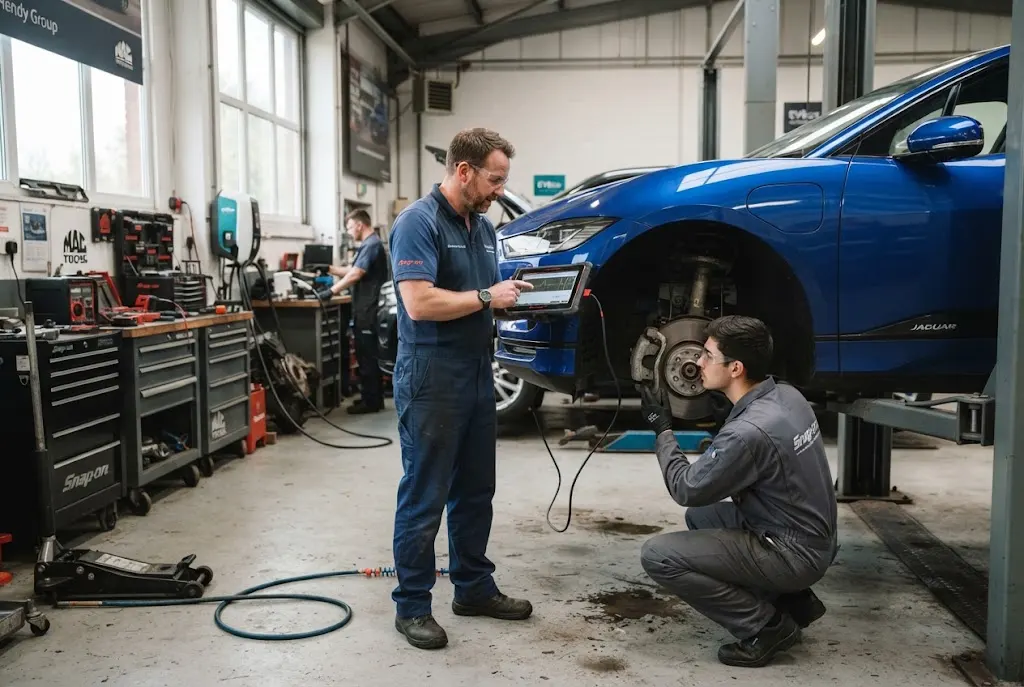
Modern vehicles increasingly rely on electronic control systems and computerised diagnostics. As a result, mobile technicians can use diagnostic equipment and digital tools to investigate certain faults without immediately moving the vehicle to a traditional garage.
This does not mean every vehicle problem can be resolved remotely or outside a workshop. Instead, technology has expanded the range of jobs that can potentially be assessed at the customer’s location.
For service businesses, investing in appropriate equipment and maintaining technical knowledge can therefore be an important part of remaining competitive. The same principle applies to conventional garages that want to introduce mobile services as an additional offering.
Mobile Auto Service and Vehicle Maintenance
Regular maintenance remains important regardless of whether work is performed at a customer’s home or inside a garage. Mobile servicing can make routine checks and selected maintenance tasks more convenient, while a structured inspection can provide a broader view of vehicle condition.
For motorists who want a more detailed assessment, professional auto inspection services can help identify safety-related or mechanical concerns that may need attention.
This distinction is useful because servicing, inspection and repair are not necessarily the same thing. A mobile technician may complete a scheduled maintenance task while also identifying an issue that requires further investigation.
Challenges Facing Mobile Automotive Businesses
Although mobile servicing offers flexibility, the business model also has practical challenges. Travel time can reduce the number of jobs a technician can complete in a day, while fuel, insurance, equipment and vehicle costs can affect profitability.
Weather and working conditions can also influence certain types of mobile repair. Some jobs are more difficult or potentially unsuitable outside a workshop, particularly when specialist lifting equipment or controlled working conditions are required.
Customer expectations present another challenge. A mobile service needs accurate appointment scheduling, clear pricing and good communication. If a technician arrives without the required equipment because the initial fault description was incomplete, both the customer and business can lose valuable time.
When a Fixed Garage Is Still the Better Option
Mobile servicing has practical limits. A fixed garage may be more appropriate when a vehicle requires extensive mechanical dismantling, a full range of workshop equipment, specialist lifting equipment or repairs that cannot safely be completed at the customer’s location.
Customers should also consider the environment where the work will take place. A suitable, safe and legally appropriate location is important for any repair performed outside a workshop.
For larger jobs, a conventional auto service garage can provide the facilities required to complete the work efficiently.
The Future of Mobile Automotive Field Services
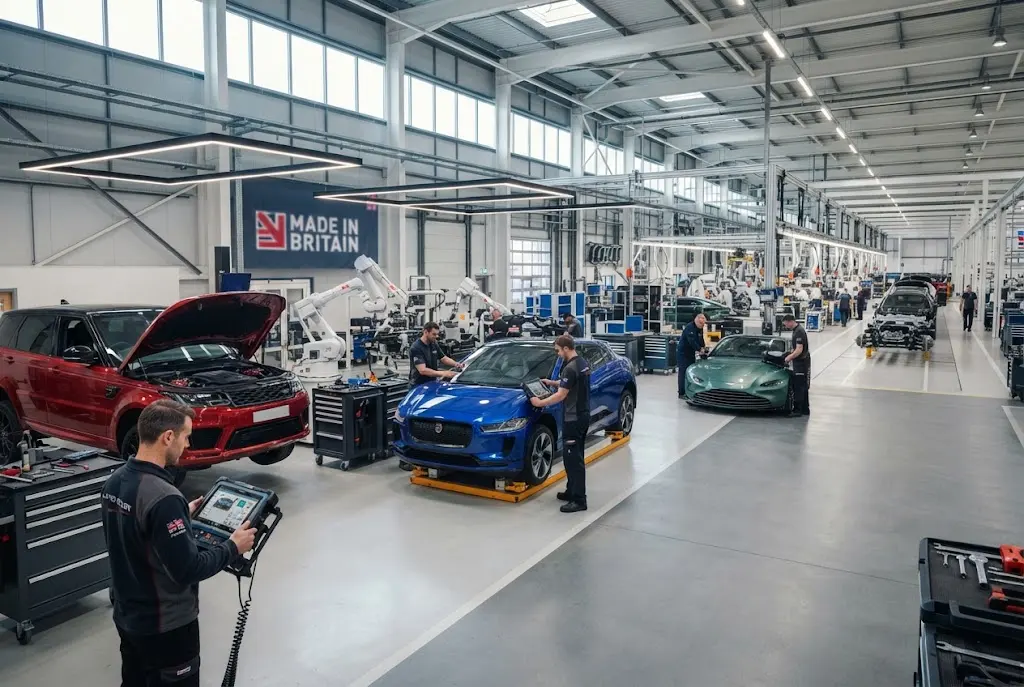
The future of automotive field services is likely to involve a combination of traditional workshops, mobile technicians and increasingly sophisticated diagnostic technology. These models can complement rather than completely replace one another.
For customers, the choice may increasingly depend on the type of work required, location, convenience and urgency. For businesses, the opportunity lies in designing service models that use technicians, equipment and premises efficiently.
The growth of electric and increasingly software-dependent vehicles will also influence the market. Some maintenance requirements may change, while other areas will require technicians to develop new technical skills and diagnostic capabilities.
Why Mobile Auto Service Matters to the UK Economy
A successful mobile auto service can do more than solve an individual driver’s problem. It can support self-employed technicians, create opportunities for regional businesses, provide additional capacity for SME workshops and make automotive services more accessible to customers.
As the UK vehicle fleet continues to evolve, flexible service models will remain an important part of the aftermarket. Businesses that combine technical competence, customer convenience, responsible working practices and efficient field operations will be better positioned to respond to changing demand.
Ultimately, mobile servicing is best viewed as one part of a broader automotive ecosystem. Fixed garages, independent technicians, roadside providers and specialist workshops all have different roles to play. Together, they help keep vehicles maintained and businesses, workers and households moving across the UK.
For vehicle owners, the most important consideration is choosing a service that matches the job required. Understanding whether a problem calls for mobile maintenance, diagnostic support, roadside assistance or a full workshop repair can help ensure that the vehicle receives the appropriate level of professional attention.