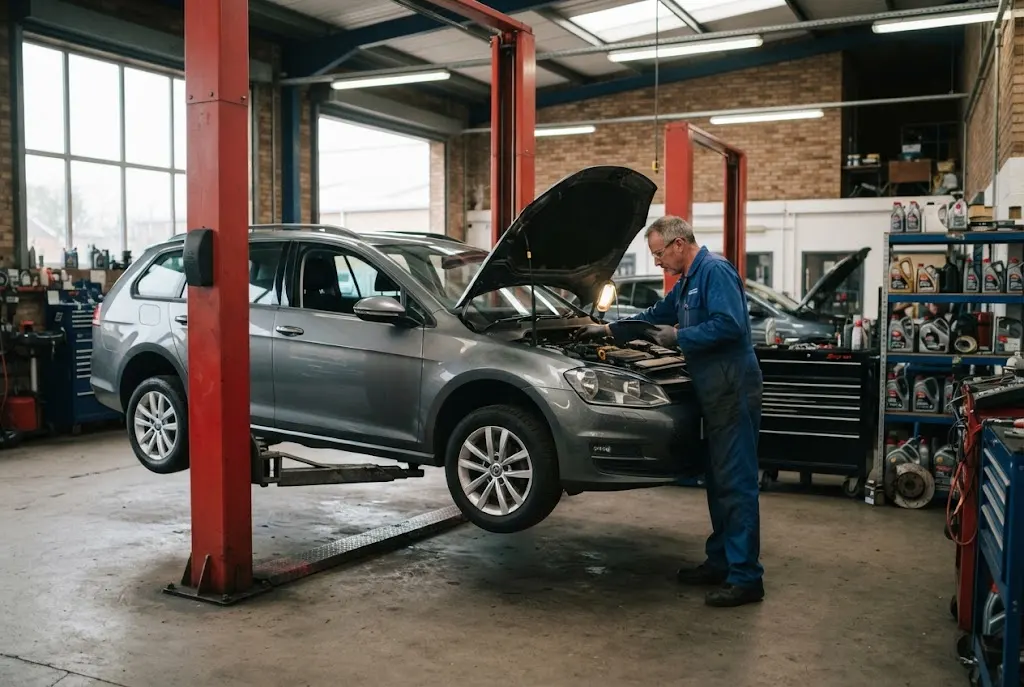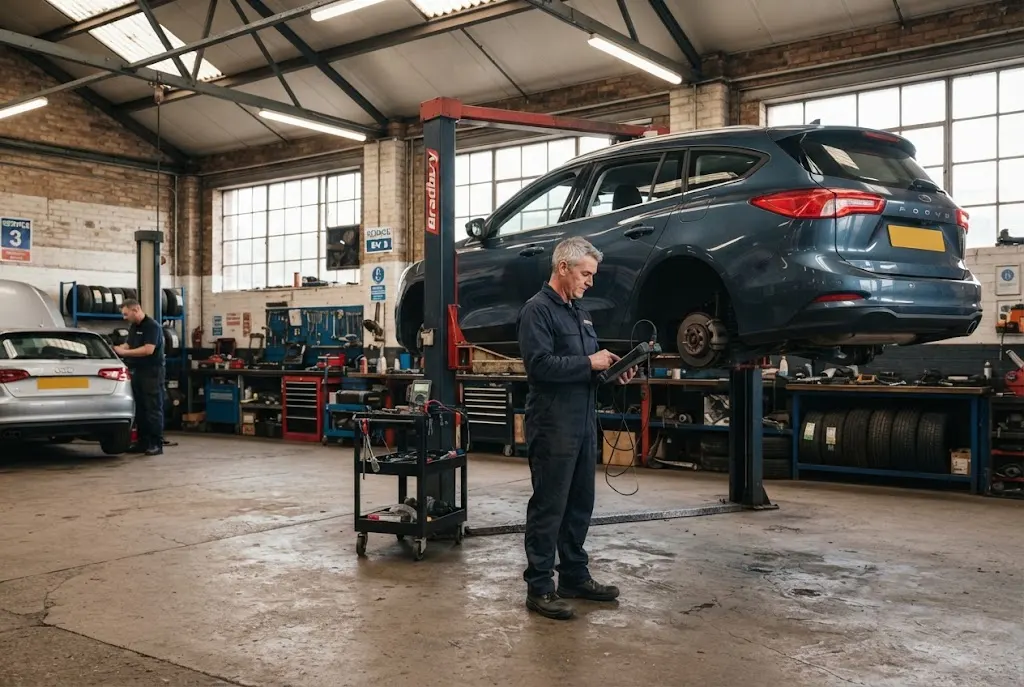

An auto service garage is one of the most familiar parts of the UK’s automotive aftermarket, but the modern garage sector is considerably more sophisticated than the traditional workshop image suggests. Today’s garages combine mechanical expertise with electronic diagnostics, specialist tooling, parts management, customer service and, increasingly, technology for electric and connected vehicles.
Across the UK, garage businesses range from small independent workshops serving local communities to large service centres and manufacturer-approved networks. Together, these businesses provide a critical link between vehicle owners and the wider automotive aftermarket, helping keep millions of cars and commercial vehicles maintained and roadworthy.
What Is an Auto Service Garage?
An auto service garage is a business that provides maintenance, inspection, servicing or repair work for vehicles. The exact services offered vary between businesses, but a typical workshop may handle routine servicing, brake work, tyres, exhaust systems, batteries, suspension, diagnostics and mechanical repairs.
Some garages specialise in particular vehicle makes, technologies or repair types, while others operate as general service providers. There are also workshops that combine traditional mechanical work with specialist capabilities such as electric-vehicle servicing, ADAS calibration or advanced electronic diagnostics.
This variety gives motorists different options when they need vehicle maintenance. The most suitable provider can depend on the vehicle, required repair, location, warranty considerations and the specialist equipment needed for the job.
The Scale of the UK Garage Sector
The garage sector forms part of a much larger UK automotive aftermarket. According to the Society of Motor Manufacturers and Traders (SMMT), the aftermarket includes tens of thousands of workshops supporting more than 42 million vehicles across the country.
SMMT’s 2025 aftermarket data recorded more than 56,500 businesses across the wider aftermarket, with more than 25,000 MOT, service and repair sites. The sector supported around 346,000 jobs and generated £16.1 billion in gross value added based on the report’s underlying data.
More recent SMMT reporting describes the wider aftermarket as a £62.2 billion sector contributing £17.1 billion to UK GDP and supporting at least 339,000 jobs. The different figures reflect differences in the scope and measurement of the datasets, but both illustrate the substantial economic role of vehicle servicing, repair and aftermarket activity.
Independent Garages Remain Important
Independent garages are a central part of the UK’s automotive service landscape. Unlike manufacturer-owned or manufacturer-approved operations, independent workshops are typically locally operated businesses that can serve vehicles from multiple manufacturers.
The independent model can offer flexibility in the types of work undertaken and the vehicles accepted. Many businesses build long-term relationships with customers in their local areas, relying on repeat servicing, repairs and recommendations.
Independent workshops also connect closely with parts distributors and aftermarket suppliers. This relationship allows smaller businesses to access a wide range of components without having to manufacture or hold every possible part themselves.
As discussed in the wider UK automotive aftermarket supply chain, reliable parts availability can have a direct effect on workshop productivity and the time required to complete repairs.
Franchise Garages and Manufacturer-Approved Networks
Franchise garages and manufacturer-approved workshops operate within another important part of the market. These businesses may have direct relationships with vehicle manufacturers and are generally associated with specific brands or dealer groups.
Such businesses can provide manufacturer-specific servicing, diagnostics and technical support. This can be particularly relevant for newer vehicles where specialist diagnostic equipment, software procedures or manufacturer-specific information may be required.
However, the distinction between independent and franchised businesses is not simply about capability. Modern independent workshops can also invest heavily in diagnostic equipment and technician training, while franchise operations must continue adapting to changing customer expectations and vehicle technologies.
How Service Centres Are Changing
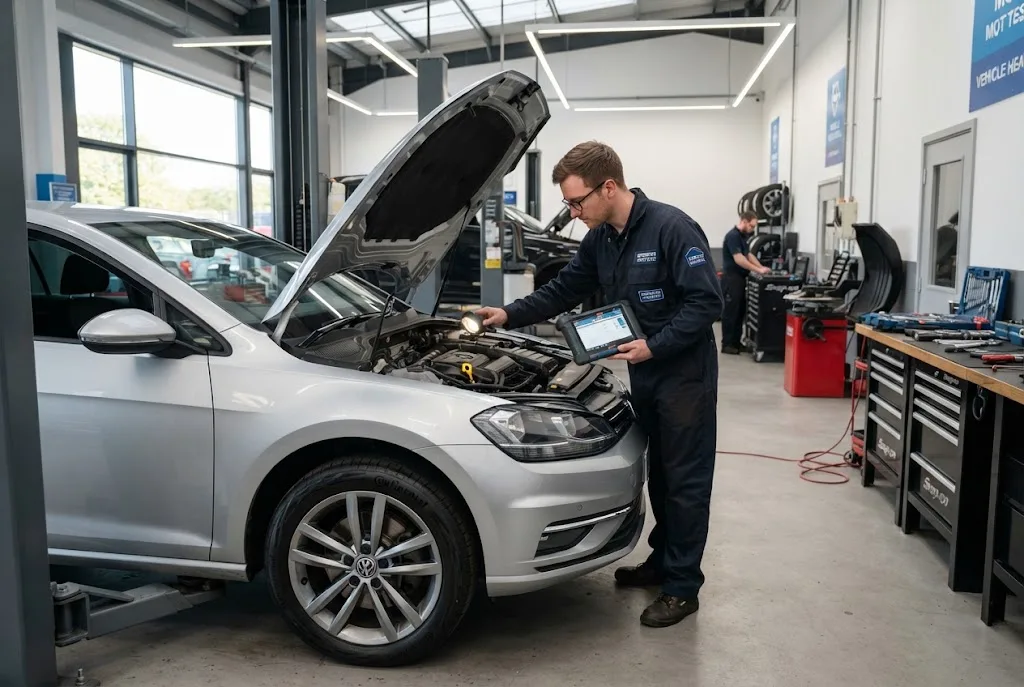
Modern service centres are increasingly technology-led environments. A technician may need to inspect mechanical components while simultaneously interpreting information from electronic control systems.
Advanced driver assistance systems are one example. Features such as lane-keeping assistance, autonomous emergency braking, adaptive cruise control and blind-spot monitoring depend on sensors and electronic systems that may require specialist calibration following certain repairs.
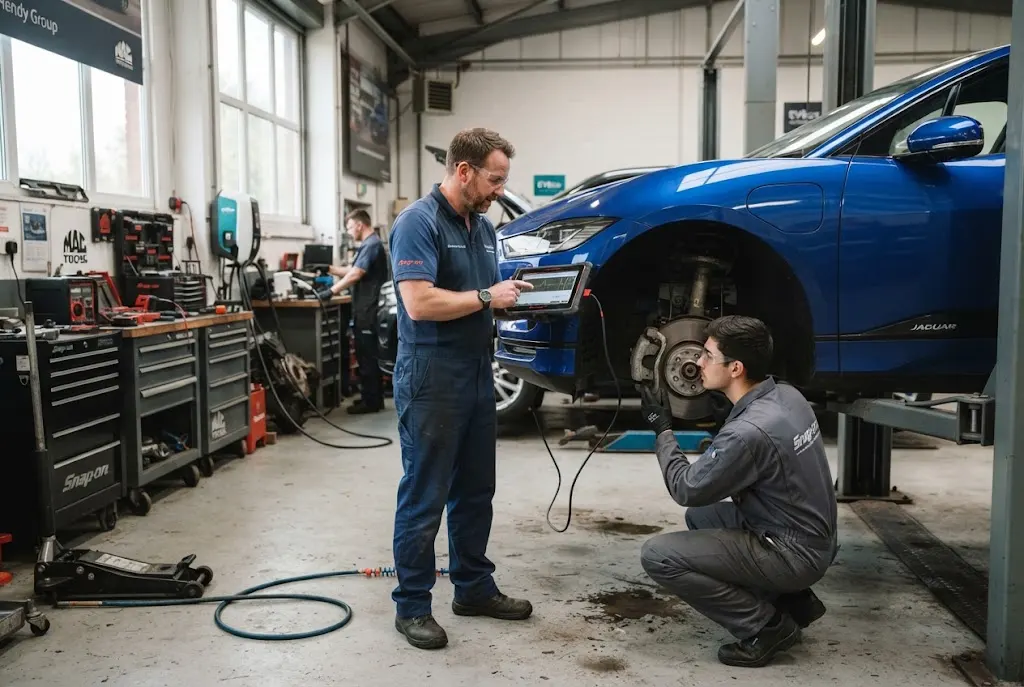
Electrification is another major change. Electric vehicles require different approaches to powertrain maintenance and introduce high-voltage safety considerations. This means garages need suitable equipment, procedures and trained technicians if they want to work safely on these vehicles.
SMMT reported in September 2025 that 81.2% of surveyed automotive aftermarket workshops had invested in training, talent and tooling for newer vehicle safety and powertrain technologies. The same research found that more than four in five workshops surveyed were equipped to service electric vehicles.
The Business Model Behind Garage Businesses
Running a garage involves considerably more than charging for labour. Workshop operators must manage premises, equipment, insurance, utilities, staff, parts purchasing, waste disposal, diagnostic technology, training and customer acquisition.
For smaller garage businesses, these costs can make efficient scheduling particularly important. A vehicle occupying a ramp for longer than expected can affect subsequent bookings, while delays in obtaining parts can create additional pressure on workshop capacity.
Parts pricing also influences profitability. Garages need to source appropriate components while balancing quality, availability and customer expectations. Strong supplier relationships can therefore be an important part of day-to-day business performance.
Technology and Investment in the Garage Sector
The investment required by workshop operators is changing alongside the vehicle fleet. Traditional mechanical tools remain essential, but modern garages may also require diagnostic scanners, electronic testing equipment, calibration systems, battery-related safety equipment and digital workshop-management tools.
Training is equally important. A workshop that invests in advanced equipment without developing the skills required to use it effectively may not gain the full benefit of that investment.
This is why the economics of the garage sector are closely connected to the wider issue of vehicle maintenance costs. As vehicles become more complex, the skills, equipment and time required to diagnose and maintain them can also change.
Customer Expectations Are Reshaping Workshops
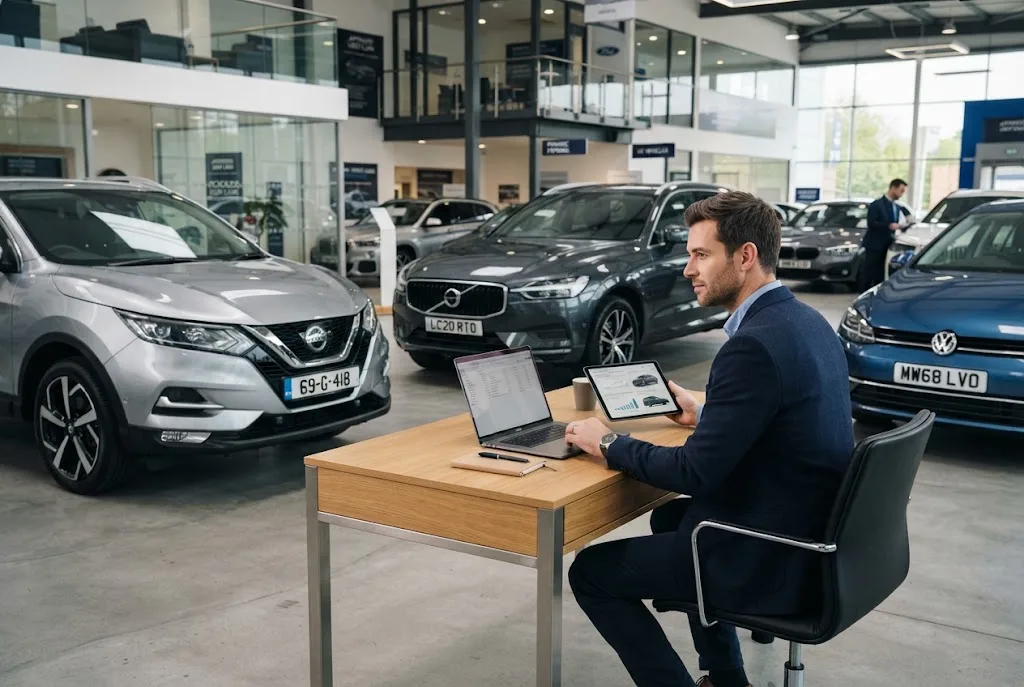
Customers increasingly expect convenience alongside technical competence. Online booking, digital service reminders, transparent estimates and clear communication can influence the overall experience just as much as the physical workshop.
This does not eliminate the importance of traditional service. Trust, accurate diagnosis and quality workmanship remain fundamental to a garage’s reputation. However, digital tools can make the process of arranging and managing vehicle maintenance easier for both customers and workshop operators.
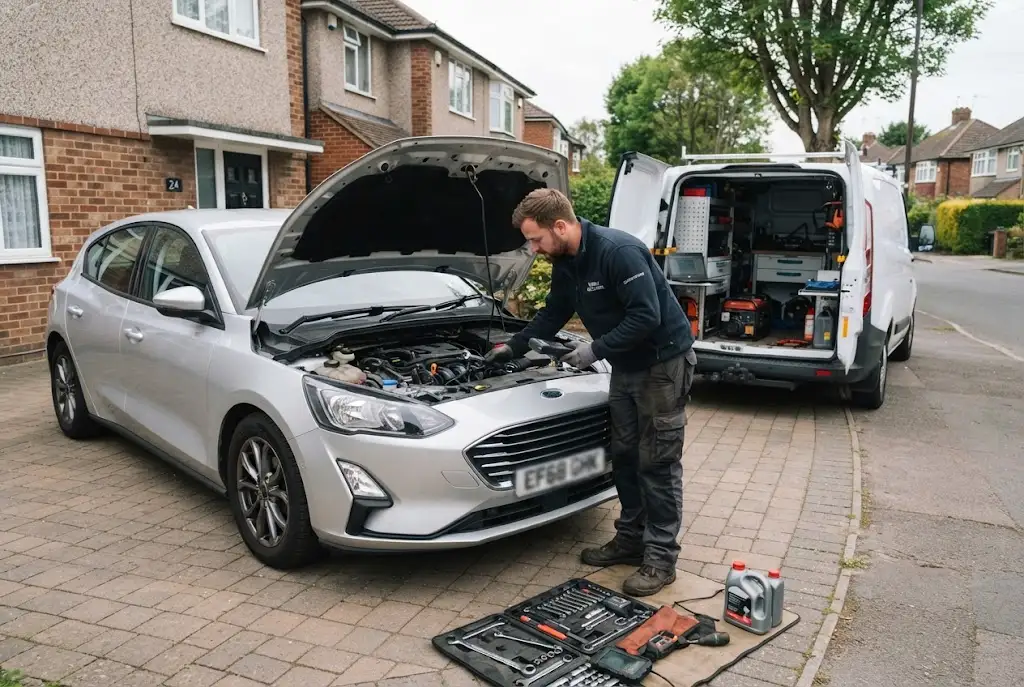
The rise of mobile services is another example of changing expectations. Some customers now prefer technicians to visit their homes or workplaces for appropriate maintenance and repair tasks rather than taking the vehicle to a conventional premises.
This development connects the established garage sector with the growing mobile auto service market, where independent mechanics and field technicians operate with different cost structures and business models.
Skills Are Becoming a Competitive Factor
Technical skills are increasingly important to workshop operators. The move towards electric vehicles, advanced driver assistance systems and connected technologies means technicians need to keep updating their knowledge.
SMMT’s 2025 aftermarket research found that more than four in five surveyed workshops had invested in training, talent and tooling. This investment illustrates how workforce capability is becoming an important part of maintaining service provision as vehicle technology develops.
For the industry, the issue is not simply recruiting more people. Workshops also need training pathways that allow existing technicians and new entrants to develop relevant skills as vehicle technology evolves.
Challenges Facing the UK Garage Industry
The garage sector faces several interconnected challenges. Operating costs can put pressure on smaller businesses, while investment in equipment and training can require significant capital.
Technology creates both an opportunity and a challenge. Workshops that successfully develop new capabilities can expand the range of vehicles they are able to service. However, businesses that cannot justify the investment required for specialist equipment may find certain categories of work increasingly difficult to undertake.
Competition is also changing. Independent garages compete with franchised networks, national chains, mobile services and specialist repair businesses. Online customer research and reviews can make reputation and communication increasingly important in the purchasing decision.
The Future of the UK Auto Service Garage
The UK garage industry is likely to remain diverse because the vehicle parc itself is diverse. Older petrol and diesel cars will continue to require conventional maintenance, while hybrids and electric vehicles introduce additional technical requirements.
This means there is unlikely to be one universal business model for every workshop. Some garages may remain broad-service providers, while others may specialise in particular manufacturers, technologies or repair categories.
The strongest underlying requirement, however, remains straightforward: customers need reliable businesses capable of maintaining their vehicles safely and efficiently.
The modern auto service garage therefore sits at the intersection of mechanical expertise, digital technology, supply-chain management and customer service. Its role extends well beyond changing oil or replacing worn components.
As the UK automotive aftermarket continues to evolve, garages will remain an essential part of the country’s mobility infrastructure. Their ability to adapt to new vehicle technologies, develop skilled workforces and maintain effective supplier relationships will influence how easily motorists can access maintenance and repair services in the years ahead.
For additional industry context, the SMMT Aftermarket Report provides information on the scale of the UK aftermarket, workshop investment, vehicle technology and the changing service and repair landscape.
For businesses, technicians and motorists alike, understanding the garage sector provides a useful perspective on the wider economics of keeping vehicles on UK roads. The industry’s future will depend not only on the vehicles themselves, but also on the businesses and skilled people responsible for maintaining them.