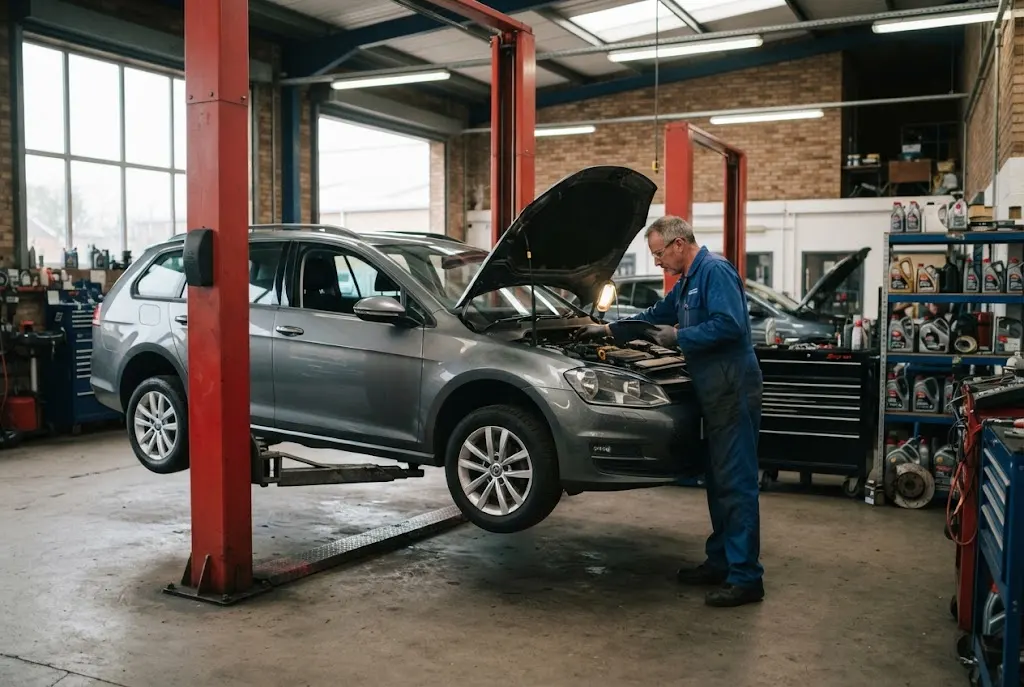

Vehicle maintenance is one of the recurring costs that comes with owning and operating a car, yet it is often considered only when a service or repair becomes due. In reality, maintenance expenditure forms part of the wider cost of ownership and can influence how long a vehicle remains reliable, how much it costs to operate and how effectively it retains its value.
For UK motorists, understanding servicing costs and lifecycle expenses has become increasingly important. The vehicles on British roads range from older petrol and diesel cars to newer hybrids and electric vehicles, while workshop businesses are adapting to increasingly sophisticated technology. As a result, the economics of maintaining a vehicle depend on much more than the price of an annual service.
What Makes Up Vehicle Maintenance Costs?
The cost of maintaining a vehicle can be divided into routine maintenance, scheduled servicing, wear-and-tear items and unexpected repairs. Routine expenditure can include engine oil, filters, brake components, tyres, batteries, fluids and other consumables, depending on the vehicle and its service schedule.
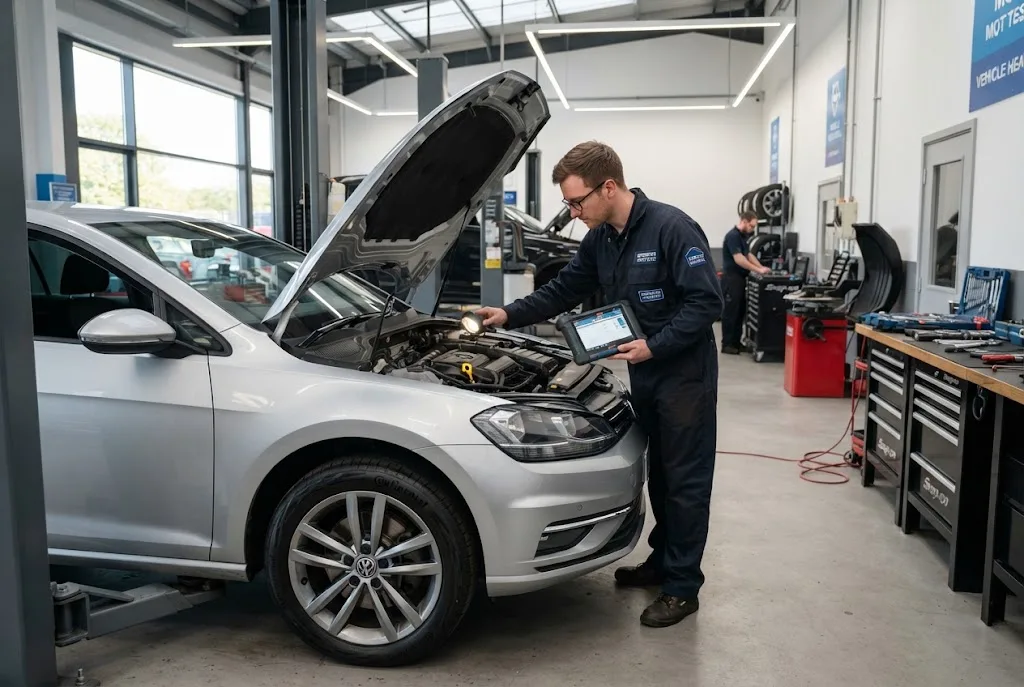
Scheduled servicing is more predictable because manufacturers specify inspection and replacement intervals. However, even a routine service can uncover additional work. A technician may identify worn brakes, damaged suspension components or a tyre that needs replacing during a standard inspection.
Unexpected repairs are less predictable and can have a much greater effect on a household budget. RAC research published in November 2025 found that 65% of surveyed UK drivers had experienced an unexpected car repair cost during the previous year. The average unexpected repair bill reported in that research was £650.
How Servicing Costs Affect Ownership Costs
Ownership costs extend beyond the purchase price of a vehicle. Fuel or electricity, insurance, taxation, depreciation, financing and maintenance can all contribute to the total amount a driver spends over the life of a car.
Maintenance is particularly interesting because it is both a cost and a form of investment. Spending money on scheduled servicing does not guarantee that a vehicle will avoid every future fault, but keeping components inspected and replaced according to the manufacturer’s requirements can help identify developing problems before they become more serious.
RAC guidance recommends following the manufacturer’s service schedule, which can be based on mileage, time or the vehicle’s onboard service indicator. The precise requirements vary between vehicles, so a universal maintenance budget cannot accurately represent every car.
How Much Does a UK Car Service Cost?
There is no single price for a car service because the final cost depends on factors such as vehicle make, model, age, engine, location, service type, parts and labour.
As a current market reference, RAC data based on mobile-mechanic full-service quotes collected between September and November 2025 puts the average quoted cost of a full service at £298.60. The organisation notes that these figures include parts, labour and VAT for a standard service and are indicative rather than actual paid invoices.
Prices also vary between vehicle makes. In the same RAC data, average quoted full-service prices ranged from £277.32 for Ford to £327.64 for Land Rover among the makes listed. This demonstrates why motorists should treat headline servicing prices as guides rather than universal rates.
Other providers may advertise different starting prices. For example, the AA currently lists mobile servicing from £146 for an interim service, £187 for a full service and £227 for a major service, with the actual price dependent on the vehicle and service required.
Why Preventive Maintenance Can Matter Financially
Preventive maintenance is often discussed as a reliability issue, but it also has an economic dimension. A small maintenance requirement identified early may be easier to budget for than a larger failure that develops after a component has deteriorated significantly.
This does not mean every warning sign will lead to a major breakdown. Rather, timely inspections allow vehicle owners to make decisions with more information. A driver who knows that brakes, tyres or suspension components are approaching the end of their serviceable life can plan the expenditure instead of being surprised by an urgent repair.
RAC research has highlighted the financial pressure caused by unexpected repair bills, with 39% of surveyed drivers saying they would struggle to pay a bill of up to £500. For households operating with limited financial flexibility, predictable maintenance can therefore be easier to manage than sudden repair expenditure.
Vehicle Age and Lifecycle Costs
The age of a vehicle can influence its maintenance profile. Newer vehicles may benefit from modern engineering and warranty coverage, while older vehicles can require more attention as components experience greater wear over time.
However, age alone does not determine whether a vehicle is economical to maintain. Mileage, driving conditions, previous maintenance, vehicle design and repair history all matter. A well-maintained older car may continue providing dependable transport, while a poorly maintained vehicle can create significant expenditure regardless of its age.
The UK’s vehicle parc is becoming older. SMMT reported in April 2026 that 45.7% of the UK car parc was more than 10 years old in 2025, while the average car age reached 9.7 years. This makes the economics of maintaining existing vehicles increasingly relevant to motorists and the wider aftermarket.
Fleet Maintenance Has a Different Economic Model
Fleet maintenance can be more structured because businesses have to consider vehicles as productive assets. A vehicle that is unavailable may affect deliveries, customer visits, field work or other commercial activities.
Fleet operators therefore tend to consider maintenance alongside broader operating expenses. Scheduled servicing, inspections and planned component replacement can help businesses manage vehicle availability and anticipate expenditure.
The calculation can also differ according to vehicle use. A high-mileage commercial vehicle may accumulate servicing requirements much faster than a privately owned car that covers relatively few miles each year. Fleet operators may consequently track maintenance history, mileage and downtime more closely.
How Vehicle Technology Is Changing Maintenance Investment
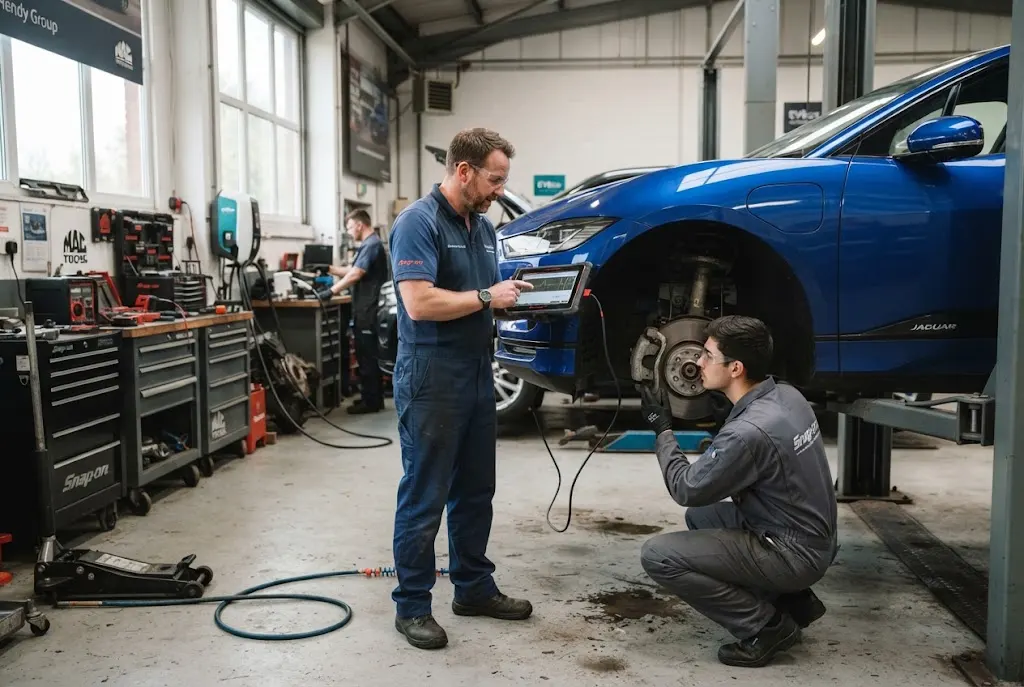
The transition towards electrified vehicles is changing the nature of maintenance rather than simply removing it. Electric vehicles do not require the same engine-related servicing as conventional internal-combustion vehicles, but they still require attention to tyres, brakes, suspension, steering, cooling systems and other components.
There are also new technical requirements around high-voltage systems, diagnostics and vehicle electronics. SMMT reported in September 2025 that 81.2% of surveyed aftermarket workshops had invested in training, talent and tooling to work on newer vehicle safety and powertrain technologies.
This represents an important form of maintenance investment within the wider industry. Workshops need equipment and skills that match the vehicles entering the UK market, while consumers need access to businesses capable of maintaining increasingly sophisticated vehicles.
Maintenance Expenditure and the UK Aftermarket
Individual maintenance bills are part of a much larger UK economic ecosystem. SMMT’s 2025 aftermarket report describes an industry supporting more than 42 million vehicles and tens of thousands of workshops, with a broad network of independent repairers, manufacturer-approved businesses, parts distributors and mobile service providers.
The same report estimates that the aftermarket, including accessories, contributes approximately £17 billion to the UK economy and supports at least 339,000 jobs. This illustrates how consumer spending on vehicle upkeep supports a substantial network of businesses and skilled workers.
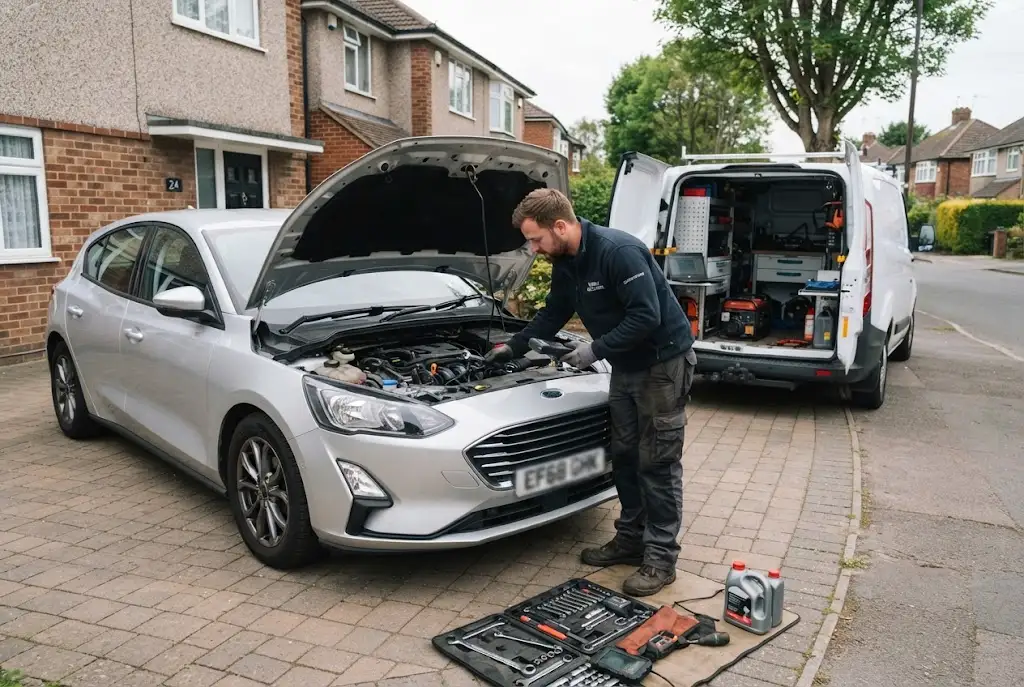
For motorists, that network creates choice. Drivers can encounter different servicing models, including independent garages, manufacturer-approved repairers, mobile mechanics and specialist workshops. The appropriate option can depend on vehicle requirements, location, budget and the type of work involved.
How Drivers Can Think About Lifecycle Costs
Looking at maintenance as a lifecycle cost can provide a more realistic picture of vehicle ownership. Instead of considering only the next service invoice, owners can consider the vehicle’s expected mileage, age, maintenance history and likely wear items over the coming years.
A simple maintenance budget can include scheduled servicing, an allowance for tyres and brakes, routine consumables and a separate contingency for unexpected repairs. The exact amounts will vary significantly by vehicle, so there is no single figure that applies to every UK driver.
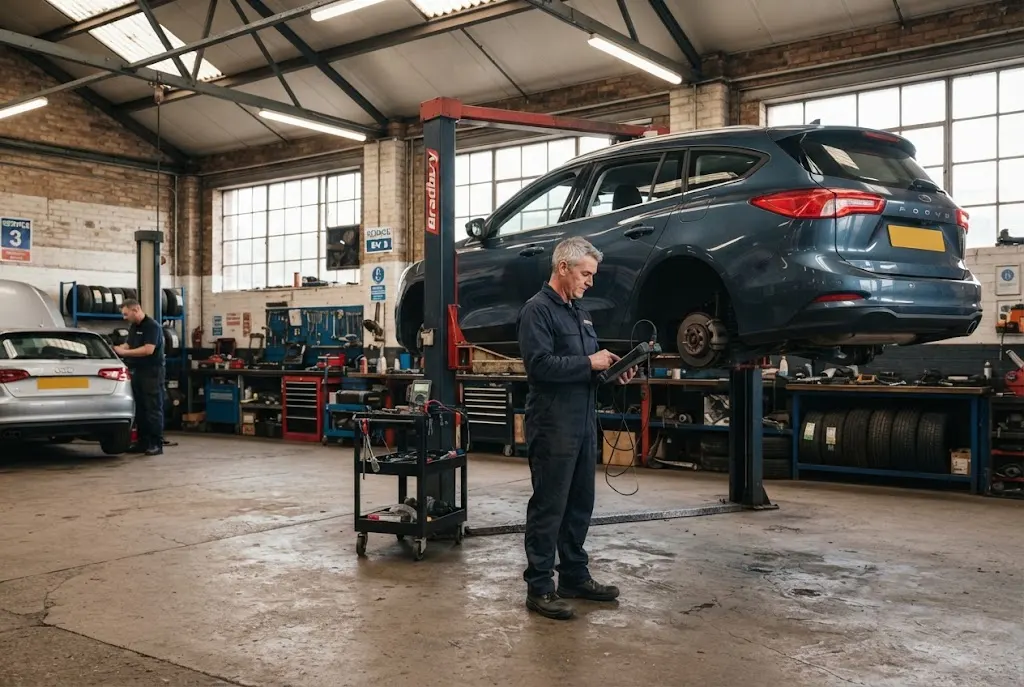
Owners should also distinguish between routine maintenance and repairs that require specialist diagnosis. Modern vehicles can contain complex electronic systems, meaning an apparently simple fault may require diagnostic equipment before the correct repair can be identified.
The Economics of Keeping a Vehicle on the Road
The central economic question is not simply whether maintenance is expensive. It is whether the total cost of maintaining a vehicle remains appropriate compared with its usefulness, replacement cost and expected remaining service life.
For some owners, maintaining an existing vehicle may be preferable to taking on the financial commitment associated with replacing it. For others, recurring repair requirements may eventually make changing vehicles more attractive. Those decisions depend on individual circumstances rather than maintenance expenditure alone.
What remains consistent is that vehicle maintenance should be viewed as part of the complete ownership equation. Servicing costs, repairs, tyres, parts, labour and downtime all contribute to the economic experience of running a vehicle.
The UK’s changing vehicle parc makes this analysis increasingly important. As older cars remain on the road alongside hybrids and electric vehicles, the maintenance market will continue to serve different technologies and ownership models at the same time.
That changing environment connects directly with the wider UK automotive aftermarket supply chain, while the businesses delivering this work form the country’s garage industry. The workforce behind these services is also evolving, with automotive skills and employment becoming increasingly important as vehicle technology changes.
For motorists and businesses alike, understanding the economics of maintenance can make vehicle ownership easier to plan. Regular servicing cannot eliminate every repair bill, but informed maintenance decisions can help owners understand where their money is going and how vehicle costs develop throughout the ownership lifecycle.
For current guidance on servicing requirements, motorists should consult their vehicle manufacturer’s maintenance schedule and use reputable automotive service providers. The RAC’s current car-service guidance provides additional information on service intervals, service types and indicative costs.