
A vehicle inspection can give UK motorists a clearer understanding of a car’s condition before they commit to a purchase. A vehicle may look excellent in photographs and appear attractive during a short test drive, yet important mechanical, structural or maintenance issues can remain hidden. A professional inspection provides an opportunity to assess the vehicle more closely and identify concerns that may influence its safety, value and future ownership costs.
This is particularly useful when buying a used vehicle privately or through an online marketplace. An inspection is not a substitute for checking the vehicle’s documents or history, but it can complement those checks by focusing on the physical condition of the car.
What Is a Vehicle Inspection?
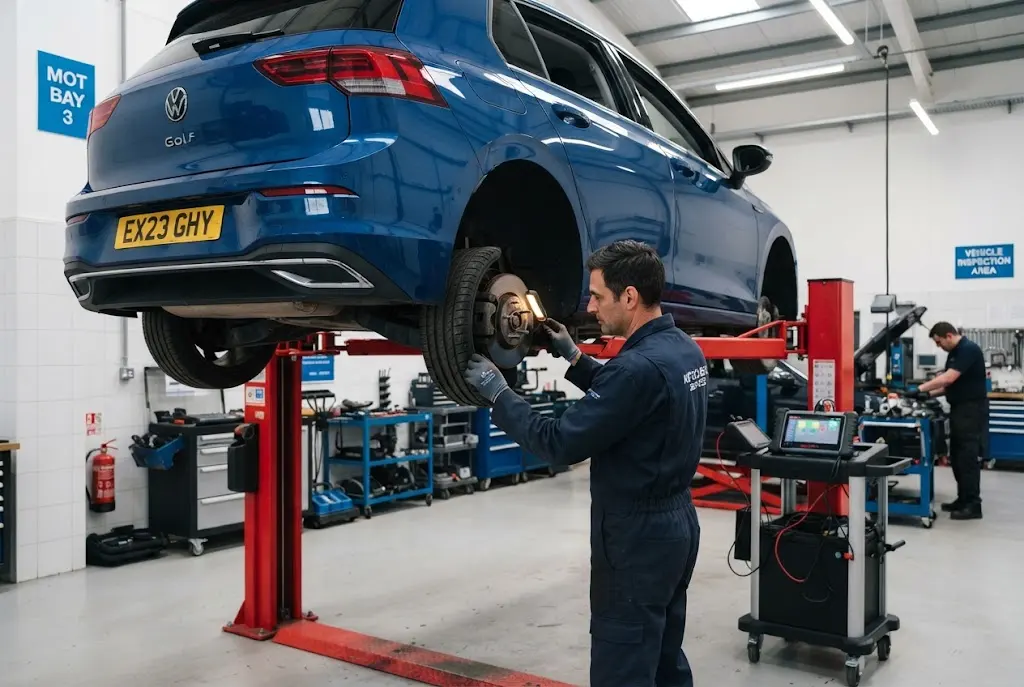
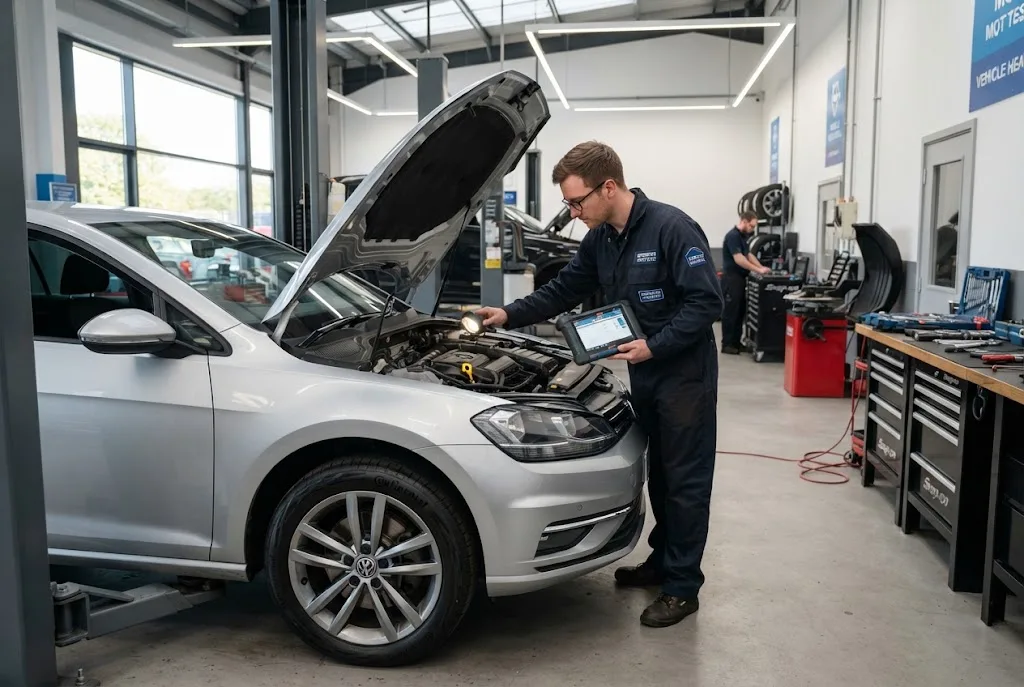
A vehicle inspection is a systematic assessment of a vehicle’s condition. The exact scope depends on the inspection provider and the type of inspection selected, but checks can cover areas such as the bodywork, tyres, brakes, suspension, engine, transmission, interior, electrical systems and signs of previous damage.
The purpose is not simply to produce a pass-or-fail result. Instead, an inspection can help a prospective buyer understand the condition of the vehicle and identify issues that may require further investigation or expenditure.
Different inspection services offer different levels of detail. A basic assessment may concentrate on visible and accessible components, while a more comprehensive inspection may involve additional mechanical and structural checks.
Why Vehicle Inspection Matters When Buying a Used Car
Used vehicles can have very different histories even when two cars have similar ages, mileages and advertised specifications. One may have been carefully maintained, while another may have experienced neglect, accident damage or repeated mechanical problems.
A professional inspection can help reduce some of the uncertainty surrounding a purchase. It can reveal issues that are difficult for an inexperienced buyer to identify during a quick viewing.
This can be especially valuable when the vehicle represents a significant financial commitment. Identifying a major problem before purchase may allow the buyer to reconsider the transaction, negotiate based on the findings or budget for necessary work.
What Does a Pre-Purchase Inspection Cover?
A pre-purchase inspection is designed to assess a vehicle before ownership changes hands. The exact inspection checklist varies between providers, so buyers should establish what is included before booking.
Depending on the service, an inspection may consider:
- Bodywork and visible exterior damage
- Signs of corrosion
- Tyre condition and tread
- Brake components
- Suspension components
- Engine condition
- Transmission operation
- Steering components
- Fluid levels and visible leaks
- Electrical equipment
- Interior condition
- Warning lights and dashboard indications
- Evidence of previous repairs or damage
Not every inspection will include every item. Buyers should therefore read the provider’s inspection scope rather than assuming that a standard service covers every possible fault.
Vehicle Inspection and Service History
The vehicle’s service history is an important source of information, but paperwork should not be considered a complete substitute for a physical inspection.
Service records can help establish whether routine maintenance has been carried out and may provide evidence of work performed during the vehicle’s ownership. They can also help identify recurring repairs or major components that have already been replaced.
However, a vehicle can have a detailed service history and still develop mechanical problems. Conversely, incomplete records do not automatically mean that a vehicle is unsuitable. The physical condition of the car should therefore be considered alongside the available documentation.
Checking Vehicle History Before an Inspection
Vehicle history checks and physical inspections serve different purposes. A history check can help identify information associated with the vehicle’s registration or recorded history, while an inspection focuses primarily on its present physical condition.
Before buying a used vehicle, buyers should consider checking relevant information such as MOT history, mileage records where available, outstanding finance, recorded theft information and other available history indicators.
The GOV.UK service allows motorists to check a vehicle’s MOT history, including recorded MOT results and mileage information. ([gov.uk](https://www.gov.uk/check-mot-history?utm_source=chatgpt.com))
Combining documentary checks with a physical inspection creates a more complete buying process. Neither approach should automatically be treated as a guarantee that a vehicle has no hidden problems.
Why Tyres Deserve Attention During an Inspection
Tyres are an important part of a vehicle inspection because they influence braking, handling and road contact. Their condition can also provide clues about how the vehicle has been maintained.
An inspection may identify uneven tread wear, visible damage or tyres that require replacement. Buyers should also consider whether tyre specifications are appropriate for the vehicle.
For a broader understanding of tyre maintenance and replacement, see our guide to tyre services in the UK, which covers tyre fitting, repairs, balancing and replacement.
Uneven tyre wear may sometimes indicate a wider issue involving alignment, suspension or steering components. For that reason, tyre condition should be assessed alongside other mechanical areas rather than viewed in isolation.
Inspection Standards and Professional Assessment
Inspection standards can differ according to the purpose and provider of the inspection. Buyers should look for a clearly defined inspection scope and understand what the final report does and does not confirm.
An inspection report can document observed defects and areas requiring attention, but it should not necessarily be interpreted as a guarantee of future reliability. Mechanical components can deteriorate after an inspection, and some problems may not be detectable without specialist diagnostic equipment or dismantling.
For that reason, a reputable inspection should communicate limitations clearly. Buyers can then use the report as one piece of evidence when deciding whether to proceed with a purchase.
Vehicle Inspection and Automotive Compliance
Automotive compliance is another consideration when assessing a used vehicle. In the UK, vehicles must meet applicable legal requirements to be used on public roads, while the MOT system assesses whether eligible vehicles meet required standards at the time of testing.
However, an MOT should not be confused with a complete pre-purchase inspection. The MOT test is designed to assess specific safety and environmental requirements, while a buyer-focused inspection can examine the vehicle from a wider ownership perspective.
GOV.UK explains that an MOT does not replace the driver’s responsibility to ensure that a vehicle remains safe and roadworthy. ([gov.uk](https://www.gov.uk/getting-an-mot/mot-test-fees?utm_source=chatgpt.com))
Therefore, a current MOT certificate should provide useful information, but buyers should still consider the vehicle’s general condition, maintenance history and any concerns identified during a viewing or professional inspection.
Can an Inspection Help With Negotiation?
A vehicle inspection can sometimes provide useful evidence during price negotiations. If an inspection identifies legitimate repair requirements that were not apparent from the advertisement, the buyer can discuss those findings with the seller.
For example, a vehicle may require replacement tyres, brake work or other maintenance soon after purchase. Knowing about these costs before completing the transaction allows the buyer to calculate the realistic purchase price more accurately.
However, negotiation should remain reasonable. Normal signs of age and wear do not necessarily indicate that a vehicle has been misrepresented. The importance of each finding depends on its severity, urgency and expected cost.
When Is a Vehicle Inspection Particularly Useful?
Although an inspection can be useful for many used-car purchases, certain situations make it particularly valuable.
Buying Privately
Private sellers may offer attractive prices, but buyers often have less information about the vehicle than a professional dealership would typically provide. An independent inspection can add another layer of assessment.
Buying an Expensive Used Vehicle
The higher the purchase price, the greater the potential financial impact of a serious hidden defect. A professional inspection may therefore be worthwhile when purchasing a premium, performance or specialist vehicle.
Buying a High-Mileage Vehicle
Higher mileage does not automatically make a vehicle unreliable. However, wear on mechanical components can become increasingly relevant, making a detailed assessment useful before purchase.
Buying a Vehicle With Limited History
Where service documentation is incomplete, a physical inspection may help identify the vehicle’s present condition. Buyers should still recognise that an inspection cannot reconstruct every part of a vehicle’s past.
Questions to Ask an Inspection Provider
Before booking inspection services, buyers should ask exactly what the inspection includes. Useful questions include:
- How comprehensive is the inspection?
- Which mechanical components are checked?
- Are tyres, brakes and suspension included?
- Is a road test included?
- Are diagnostic checks included?
- Will the inspection identify signs of previous accident damage?
- Will photographs be included in the report?
- What limitations apply to the inspection?
- How quickly will the report be provided?
Clear answers make it easier to compare inspection services and avoid paying for a service that does not meet the buyer’s needs.
How Inspection Findings Affect Ownership Costs
One of the biggest benefits of inspecting a used vehicle before purchase is the opportunity to think beyond the initial price. A car that appears inexpensive may become significantly more costly if it immediately requires major repairs.
Inspection findings can help buyers estimate potential short-term maintenance requirements. These may include tyres, brakes, suspension components, servicing or other work.
When a repair is necessary after purchase, understanding the available payment options can also become relevant. Our guide to repair finance explains how motorists can assess payment arrangements for unexpected vehicle repair costs and why affordability matters.
This broader approach helps buyers consider the likely cost of ownership rather than focusing exclusively on the advertised purchase price.
Vehicle Inspection Before Online Vehicle Purchases
Online automotive marketplaces have changed how people search for used cars. Buyers can now compare vehicles across large numbers of listings without visiting every dealership in person.
However, online photographs and descriptions cannot provide a complete picture of mechanical condition. When purchasing remotely, an independent inspection can be particularly useful because it provides physical assessment before the buyer commits to the transaction.
Buyers should also compare the inspection findings with the seller’s description. If significant discrepancies appear, it may be appropriate to ask the seller for clarification before proceeding.
What a Vehicle Inspection Cannot Guarantee
It is important to keep expectations realistic. A vehicle inspection can identify many observable concerns, but no inspection can guarantee that a vehicle will remain fault-free after purchase.
Some faults may be intermittent, electronic or hidden from a standard visual assessment. Certain components may also appear satisfactory during an inspection but fail later because of normal wear or an unpredictable defect.
A good inspection should therefore be viewed as a risk-reduction tool rather than an absolute guarantee. Buyers should combine it with appropriate history checks, documentation review, a sensible test drive and careful consideration of the seller and vehicle.
Final Thoughts on Vehicle Inspection in the UK
A vehicle inspection can be a valuable part of the used-car buying process. By assessing the physical condition of a vehicle alongside its service history and vehicle history, buyers can make decisions with a clearer understanding of potential risks and future maintenance requirements.
Pre-purchase inspections are especially useful when buying privately, purchasing an expensive or high-mileage vehicle, or considering a car with limited documentation. The key is to understand exactly what an inspection covers and to treat the resulting report as informed evidence rather than a guarantee.
For UK motorists, combining inspection services with official MOT information, sensible maintenance planning and careful financial consideration can create a more comprehensive approach to vehicle ownership. The result is not simply a better-informed purchase, but potentially a clearer picture of the costs and responsibilities that come with owning the vehicle.