
Car finance is one of the main ways UK motorists fund the purchase of a new or used vehicle without paying the entire price upfront. Different finance arrangements can produce very different monthly payments, ownership outcomes and total costs, so understanding the differences between PCP, HP finance, dealership finance and other forms of vehicle finance is important before signing an agreement.
For many buyers, the monthly payment is only one part of the decision. The deposit, interest, contract length, mileage assumptions, final payment and ownership position can all affect the overall cost. A suitable finance agreement should therefore be considered in the context of the buyer’s budget, expected vehicle use and longer-term ownership plans.
What Is Car Finance?
Car finance is a form of borrowing or financial arrangement used to fund the acquisition of a vehicle. Instead of paying the full purchase price from savings, the buyer enters into an agreement under which payments are made according to specified terms.
The structure varies according to the type of finance. Some agreements are designed to lead to ownership once the required payments have been completed, while others give the customer options at the end of the agreement.
Because the financial arrangements differ, buyers should not compare deals solely by looking at the advertised monthly payment. The total amount payable and the conditions attached to the agreement are equally important.
How Vehicle Finance Works in the UK
Vehicle finance normally involves several key elements, including the vehicle price, deposit, amount financed, interest or finance charges, repayment period and contractual conditions.
For example, a buyer may pay an initial deposit and finance the remaining amount over an agreed period. The monthly payment will depend on the amount borrowed, the duration of the agreement and the applicable rate or charges.
Before entering into regulated consumer credit, a finance provider will generally assess the applicant’s circumstances and creditworthiness. The Financial Conduct Authority explains that firms need to assess whether customers can afford credit and should consider the risk of unaffordable borrowing. (FCA consumer credit guidance)
This makes affordability a central part of responsible car finance rather than simply a question of whether an application is approved.
Types of Car Finance Available in Britain
UK motorists can encounter several types of finance when buying a vehicle. The most common arrangements include Personal Contract Purchase and Hire Purchase, although the exact products available can vary between lenders and dealerships.
Personal Contract Purchase
PCP is structured around an agreed contract period and an estimated future value of the vehicle. The monthly payments are generally based on the amount financed after accounting for the deposit and the vehicle’s expected value at the end of the agreement.
At the end of a PCP agreement, the customer will typically have options set out in the contract. Depending on the agreement, these can include returning the vehicle, paying the optional final payment to acquire it, or entering into another vehicle arrangement.
PCP agreements can therefore provide lower monthly payments than some alternative arrangements, but buyers need to understand the conditions attached to the contract. Mileage limits and vehicle condition requirements can be particularly important when considering whether PCP suits their expected use.
HP Finance
HP finance, or Hire Purchase, generally spreads the cost of a vehicle over a series of scheduled payments. The buyer typically becomes the owner after all required payments and applicable conditions have been satisfied.
HP can be easier to understand for buyers who want a straightforward route toward ownership. However, the monthly payment can be higher than a PCP arrangement because the finance is structured differently and does not generally rely on the same type of optional final payment.
As with any credit agreement, buyers should compare the total amount payable rather than judging affordability solely from the monthly instalment.
Used Car Finance in the UK
Used car finance allows motorists to fund the purchase of a pre-owned vehicle through an appropriate finance arrangement. It can make vehicles that would otherwise require a large upfront payment more accessible to buyers who meet the lender’s criteria.
However, financing a used vehicle requires careful consideration of both the finance agreement and the car itself. A lower purchase price does not necessarily mean lower overall ownership costs if the vehicle is older, has higher mileage or requires significant maintenance.
Buyers should consider the vehicle’s service history, MOT history, condition, expected maintenance and insurance costs alongside the proposed finance payments.
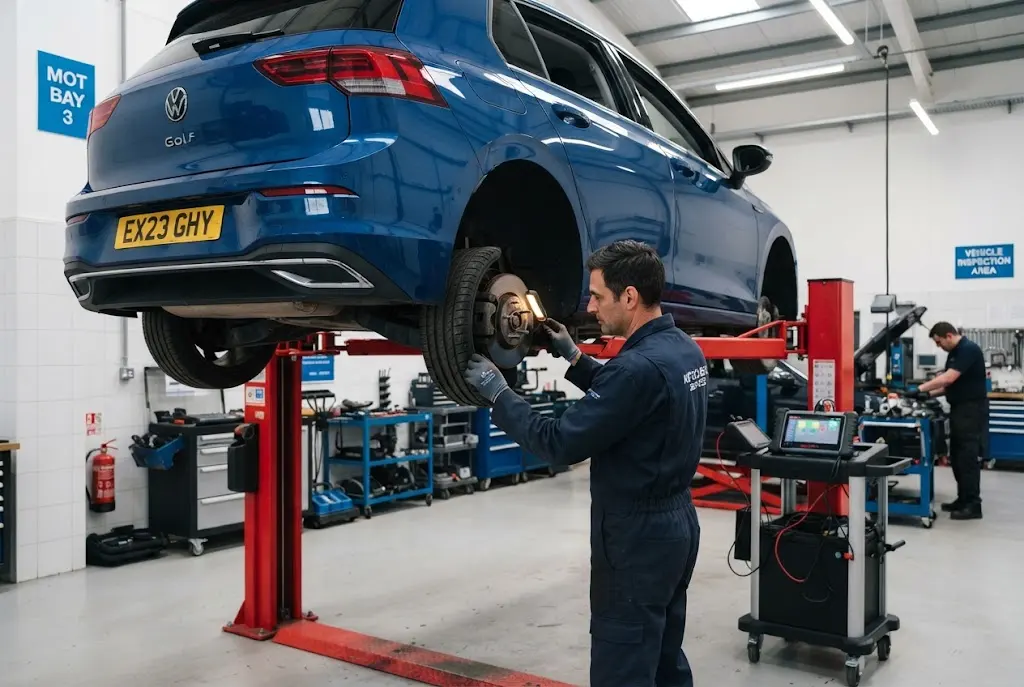
A professional vehicle inspection can also provide additional information about the physical condition of a used car before purchase. This can be particularly useful when the buyer is considering a vehicle that represents a significant financial commitment.
Dealership Finance Explained
Dealership finance is finance offered or arranged through a vehicle retailer. A dealership may work with one or more finance providers and present customers with available options during the vehicle purchasing process.
The convenience of arranging finance at the dealership can simplify the buying process because the vehicle and financing decisions are handled together. Nevertheless, buyers should still compare the terms carefully.
A dealership’s monthly payment may appear attractive because of a particular deposit, contract length or final payment. Comparing the deposit, monthly payments, interest rate and total amount payable can provide a more meaningful picture of the deal.
What Is Automotive Lending?
Automotive lending refers to lending activity connected with vehicle purchases and related automotive finance. Banks, specialist finance companies and other authorised firms can participate in this market, depending on the type of credit product involved.
For consumers, the important issue is understanding who is providing the finance and what protections and responsibilities apply to the agreement.
Before accepting an offer, buyers should check the finance documentation carefully. The agreement should clearly explain the repayment structure, charges, duration and other material terms.
Why Monthly Payments Can Be Misleading
One of the most common ways car finance is advertised is through a monthly payment figure. Although this is useful for initial budgeting, it does not tell the complete financial story.
Two vehicles could have similar monthly payments while requiring very different deposits, contract lengths or final payments. One agreement may also have a higher total amount payable than another.
When comparing finance, consider:
- Vehicle cash price
- Deposit required
- Amount borrowed
- Annual percentage rate where applicable
- Monthly payment
- Number of payments
- Optional or final payment
- Total amount payable
- Contractual mileage limits
- Conditions relating to vehicle condition
Looking at these elements together makes it easier to understand the actual financial commitment.
Car Finance and Affordability
Affordability should be considered before choosing a vehicle or finance arrangement. A finance payment needs to fit comfortably alongside other household expenses and vehicle ownership costs.
Those costs can include insurance, fuel, road-related charges, servicing, tyres, repairs and unexpected maintenance. A buyer who budgets only for the monthly finance payment may underestimate the true cost of running the vehicle.
For example, a vehicle that requires regular servicing or expensive tyres could cost considerably more to operate than another car with a similar finance payment.
This is why prospective buyers should calculate the broader monthly cost of ownership before committing to a finance agreement.
Deposit Size and the Cost of Finance
The deposit can affect the amount that needs to be financed. A larger deposit may reduce the amount borrowed and consequently change the monthly payments or total finance cost.
However, using more savings as a deposit also leaves the buyer with less cash available for emergencies. The right balance depends on individual circumstances.
Buyers should avoid using all available savings simply to achieve a lower monthly payment if doing so would leave insufficient funds for unexpected expenses.
PCP Mileage and Vehicle Condition
Drivers considering PCP should pay particular attention to the mileage assumptions and end-of-contract conditions. The expected annual mileage is used when structuring the agreement, and exceeding the agreed mileage can have financial consequences under the contract.
Vehicle condition can also matter when the customer intends to return the vehicle rather than purchase it. Normal wear and tear may be treated differently from damage that falls outside the agreement’s standards.
Before selecting PCP, motorists should therefore estimate their likely annual mileage realistically. Choosing an artificially low figure to reduce the monthly payment may create problems later if actual driving significantly exceeds the agreed allowance.
Car Finance and Ownership Costs
The finance payment is only one part of the cost of owning a vehicle. Drivers should create a broader budget that includes both predictable and unexpected expenses.
Routine maintenance can include servicing, tyres, brakes and other wear items. Unexpected mechanical problems can create additional costs, particularly as a vehicle becomes older.
For drivers facing an unexpected repair bill after purchasing a vehicle, repair finance may be one possible payment option. However, repair finance is separate from the finance used to purchase the vehicle and should be assessed as a new financial commitment.
Planning for these costs from the beginning can help prevent the monthly vehicle payment from consuming a disproportionate share of the household budget.
Buying a Used Car With Finance
Used car buyers should pay close attention to the condition and history of the vehicle before arranging finance. Financing a vehicle that later requires substantial repairs can put additional pressure on the household budget.
Before completing the purchase, buyers can check the vehicle’s MOT history, service documentation, mileage information and available history records. An independent inspection may provide further insight into the vehicle’s physical condition.
This is particularly important when buying privately or purchasing a vehicle with high mileage. The finance agreement may be affordable while the underlying vehicle still represents a poor ownership decision.
Car Finance and Online Vehicle Marketplaces
The growth of online automotive retail has changed the way British consumers search for vehicles. Buyers can compare vehicle listings, specifications and prices before visiting a dealership or arranging a purchase.
Platforms such as AutoTrader UK form part of this wider digital marketplace, giving consumers access to a large selection of vehicles from dealerships and other sellers.
However, an online listing should be treated as the beginning of the buying process rather than the end. Buyers should still verify the vehicle’s condition, documentation, history and finance terms before committing to the transaction.
Questions to Ask Before Signing a Finance Agreement
Before accepting a car finance offer, buyers should make sure they understand the complete agreement. Useful questions include:
- What is the total amount payable?
- How much is the required deposit?
- What is the interest rate or APR?
- How long is the finance agreement?
- Is there an optional final payment?
- What happens at the end of a PCP agreement?
- What mileage restrictions apply?
- What condition must the vehicle be in if it is returned?
- Can the agreement be settled early?
- What happens if payments are missed?
Reading the full documentation is important because advertising language may not communicate every contractual condition.
What Happens If Circumstances Change?
Financial circumstances can change during a finance agreement. A reduction in income, unexpected household expense or change in employment can make an existing monthly payment more difficult to manage.
Anyone experiencing difficulty should avoid ignoring the problem. Contacting the relevant finance provider promptly may provide information about the available options.
Missed payments can have consequences, so understanding the agreement and seeking appropriate information early is preferable to allowing arrears to build up.
How to Compare Car Finance Responsibly
Responsible comparison involves looking beyond the vehicle’s advertised monthly payment. Start by establishing the vehicle’s total purchase price and then compare the complete finance cost.
Consider how long you expect to keep the vehicle. A driver who wants eventual ownership may prefer an arrangement structured around purchasing the vehicle, while someone who changes cars regularly may consider a different approach.
Also consider expected mileage and likely maintenance requirements. Finance should fit the vehicle owner’s lifestyle rather than encouraging a buyer to select a more expensive car simply because the advertised monthly payment appears manageable.
Final Thoughts on Car Finance in Britain
Car finance can make vehicle ownership more accessible by allowing buyers to spread the cost over time. However, PCP, HP finance, used car finance and dealership finance each involve different structures and contractual considerations.
The best approach is to compare the complete financial commitment rather than focusing only on monthly payments. Deposits, interest, total amount payable, final payments, mileage requirements and vehicle condition can all influence the real cost.
Buyers should also consider the wider cost of ownership, including insurance, fuel, servicing, tyres and repairs. Combining careful vehicle selection with appropriate finance can help motorists make a more sustainable purchasing decision.
Whether buying a new or used vehicle, understanding the agreement before signing it is one of the most important steps. A finance arrangement should fit both the vehicle and the buyer’s realistic financial circumstances.