
AutoTrader UK is a major part of Britain’s online vehicle marketplace landscape, where consumers can search for cars and other vehicles through digital listings while dealerships and sellers use online platforms to reach potential buyers. The growth of automotive marketplaces has changed how people discover, compare and research vehicles before making a purchase.
Online vehicle shopping can make the initial search faster and more convenient, but a digital listing is only one part of the buying process. Buyers still need to assess vehicle condition, history, pricing, finance arrangements and ownership costs before completing a transaction.
What Is AutoTrader UK?
AutoTrader UK is an online automotive marketplace that brings together vehicle listings from dealers and other sellers. Rather than requiring consumers to visit individual dealerships to discover available stock, digital marketplaces allow shoppers to search across numerous listings from one online destination.
The marketplace model has become an important part of modern automotive retail. Consumers can use digital tools to narrow searches according to factors such as vehicle type, make, model, price and other characteristics, depending on the options available on the platform.
For sellers, online marketplaces provide another route to reach prospective customers. A dealership can present its inventory digitally, while buyers can compare vehicles without immediately committing to an in-person visit.
How Online Vehicle Marketplaces Work
Online vehicle marketplaces operate by bringing vehicle supply and consumer demand together through a digital platform. Sellers provide information about available vehicles, while buyers use search and filtering tools to identify cars that match their requirements.
A typical online buying journey may involve:
- Searching for a particular type of vehicle
- Filtering listings according to budget and preferences
- Comparing specifications and advertised prices
- Reviewing photographs and seller information
- Contacting a dealership or seller
- Arranging a viewing or inspection
- Discussing payment or finance options
- Completing the purchase through the relevant seller
This means the marketplace can simplify vehicle discovery without necessarily replacing the traditional transaction. In many cases, the final sale still involves a dealership, private seller or other automotive business.
Why Digital Marketplaces Matter to UK Car Buyers
The traditional process of buying a used car often involved visiting multiple dealerships, checking newspaper advertisements or relying on local recommendations. Digital marketplaces have significantly expanded the number of vehicles consumers can discover from their own homes.
For buyers, this can make comparison easier. A shopper looking for a particular model can review multiple listings and identify differences in mileage, specification, age and advertised price before deciding which vehicles deserve further investigation.
However, greater choice also creates a need for careful evaluation. A large number of listings does not automatically mean that every vehicle represents good value.
Understanding Vehicle Listings
Vehicle listings are the core content of an automotive marketplace. They typically provide information intended to help buyers decide whether to investigate a vehicle further.
Depending on the seller and platform, a listing may include:
- Make and model
- Registration year
- Mileage
- Fuel type
- Transmission
- Engine information
- Vehicle specification
- Advertised price
- Photographs
- Seller or dealership information
Buyers should read listings carefully rather than relying on the headline description. The advertised specification should be checked against the actual vehicle and relevant documentation before purchase.
Why Photographs Are Not Enough
Online photographs are useful for narrowing down a search, but they cannot provide a complete assessment of a vehicle’s physical or mechanical condition.
Images may not reveal problems such as worn suspension components, mechanical faults, hidden corrosion, tyre issues or intermittent electrical problems. Lighting, camera angles and image selection can also influence how a vehicle appears online.
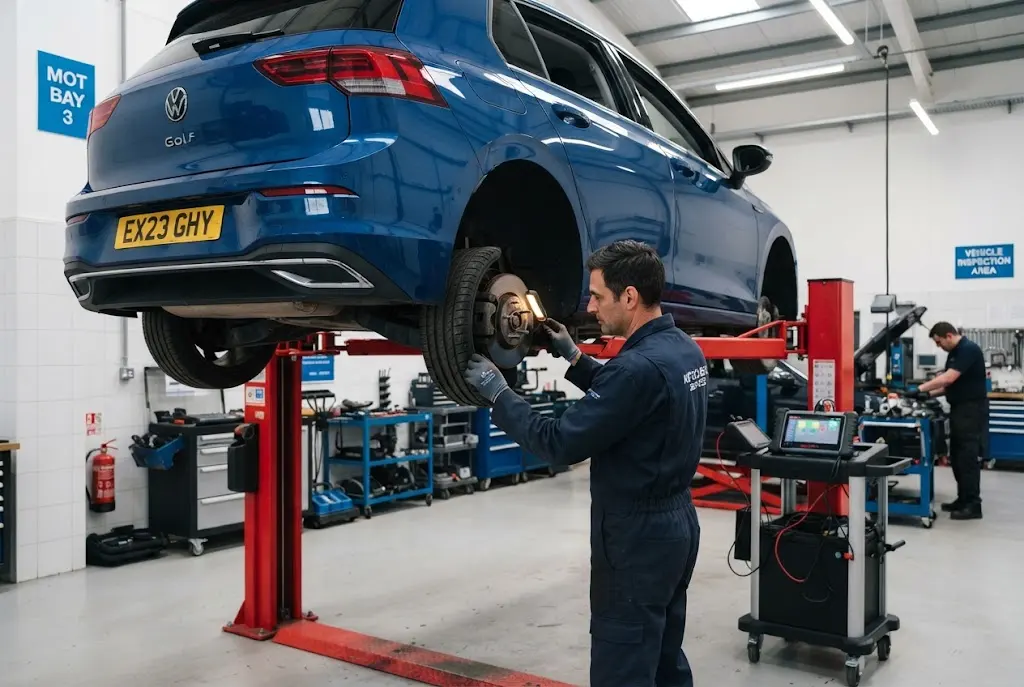
For a used vehicle that has reached the shortlist, an independent vehicle inspection can provide a more detailed assessment before the buyer commits to the purchase.
A physical viewing and test drive can also help buyers confirm whether the vehicle matches the description and whether there are concerns that require further investigation.
Online Dealerships and Digital Automotive Retail
Online dealerships have become increasingly relevant as automotive retail moves further into digital channels. Some businesses operate primarily online, while traditional dealerships use websites and marketplaces alongside physical showrooms.
The distinction between online and traditional retail is therefore becoming less rigid. A customer might discover a vehicle online, communicate with a dealership digitally, arrange a physical viewing and then complete the transaction through a combination of online and offline processes.
This hybrid approach gives buyers more flexibility while allowing dealerships to reach customers beyond their immediate geographic area.
How Dealers Benefit From Automotive Retail Platforms
Automotive retail platforms give dealerships access to an established digital audience. Instead of depending entirely on foot traffic or their own website, dealers can advertise inventory where consumers are already searching for vehicles.
For dealerships, effective online listings can improve vehicle visibility and help generate enquiries. High-quality photographs, accurate specifications and clear descriptions can make it easier for potential buyers to understand what is being offered.
However, online exposure does not remove the importance of customer service. Buyers still need clear answers to questions about vehicle condition, history, servicing, warranty arrangements and finance.
Comparing Prices on AutoTrader UK and Similar Platforms
Online marketplaces make price comparison easier, but advertised price should not be treated as the only measure of value.
Two vehicles with the same model designation may differ considerably in mileage, specification, condition, ownership history and maintenance requirements. A cheaper vehicle may also require more immediate spending.
When comparing listings, buyers should consider:
- Vehicle age
- Mileage
- Specification
- Service history
- MOT history
- Number of previous keepers where relevant
- Tyre and brake condition
- Overall mechanical condition
- Dealer reputation and support
- Finance or payment terms
This broader comparison can provide a more realistic picture of value than simply sorting listings from lowest to highest price.
Online Vehicle Sales and Finance
Online vehicle sales can also connect with digital finance journeys. A buyer may discover a vehicle online and then investigate available payment options before deciding whether to purchase.
However, the vehicle marketplace and the finance agreement are separate considerations. Buyers should understand the complete financial terms rather than assuming that a low advertised monthly payment represents the lowest overall cost.
Our guide to car finance explains key UK finance structures, including PCP, HP finance, used car finance and dealership finance.
Separating the vehicle decision from the finance decision can help consumers determine whether they are comfortable with both the car itself and the financial commitment required to acquire it.
Used Cars and the Importance of Vehicle History
Buying through a digital marketplace does not remove the need for background checks. A vehicle’s history can provide information that is not immediately obvious from an online advertisement.
Buyers can investigate available MOT information, service documentation, mileage records and other relevant history before completing a purchase. Where appropriate, they should also establish whether there are outstanding financial interests or other issues associated with the vehicle.
Government services provide access to MOT history information, which can help buyers review previous test results and recorded mileage. However, this should be considered alongside other checks rather than as a complete vehicle history assessment.
A detailed history check and a physical inspection serve different purposes. One focuses on available records, while the other assesses the vehicle’s present condition.
AutoTrader UK and Market Competition
Market competition is an important feature of the online automotive marketplace sector. Buyers can encounter multiple platforms, dealership websites and specialist automotive services when searching for a vehicle.
Competition can encourage platforms to improve search functionality, listing quality, digital tools and customer experience. It can also give consumers more ways to compare vehicles and sellers.
For dealerships, competition means that simply publishing a vehicle online may not be enough. Accurate descriptions, competitive pricing, strong photography and responsive communication can influence whether a listing generates meaningful enquiries.
How Consumers Can Search More Efficiently
Having thousands of potential listings can become overwhelming without a clear search strategy. Buyers can save time by defining their requirements before starting their search.
Begin with the essentials, such as budget, vehicle type, approximate age, mileage expectations and intended use. Then narrow the results according to features that genuinely matter.
It can also be useful to compare several similar vehicles rather than immediately focusing on the first attractive listing. This gives buyers a better understanding of prevailing asking prices and available specifications.
Set a Realistic Budget
Do not base the budget solely on the vehicle purchase price. Insurance, fuel, servicing, tyres, repairs and taxation can contribute significantly to overall ownership costs.
Buyers using finance should also calculate the full repayment commitment rather than focusing exclusively on the advertised monthly figure.
Compare Similar Vehicles
Compare vehicles with similar age, mileage and specification before deciding whether an individual listing represents good value. Significant differences may justify a price premium, but buyers should understand what they are paying for.
Arrange a Proper Inspection
Once a vehicle becomes a serious candidate, arrange an appropriate physical inspection. Check the bodywork, tyres, interior, engine bay and other accessible areas, and consider professional inspection services for additional reassurance.
Buying From an Online Marketplace: What to Watch For
Digital convenience should not encourage rushed decisions. Buyers should remain cautious when a listing appears unusually attractive or when a seller creates pressure to complete a transaction quickly.
Before paying a deposit or completing a purchase, confirm the seller’s identity, inspect the vehicle where appropriate and review the relevant documents.
Be particularly careful with requests for unusual payment arrangements or pressure to transfer money before the vehicle has been properly verified.
A legitimate-looking online listing is not, by itself, proof that the vehicle or seller is suitable.
The Future of Digital Automotive Retail
The development of digital marketplaces is likely to continue influencing how consumers research and purchase vehicles. Better search tools, online communication, digital finance journeys and increasingly detailed vehicle information can reduce friction during the early stages of buying.
At the same time, physical vehicle assessment remains important because digital information cannot fully reproduce the experience of examining and driving a car.
The future of automotive retail is therefore likely to combine digital discovery with physical verification. Consumers can use online platforms to identify suitable vehicles efficiently and then use inspections, documentation checks and test drives to make better-informed decisions.
Final Thoughts on AutoTrader UK and Online Vehicle Marketplaces
AutoTrader UK represents the wider shift toward digital automotive marketplaces, where consumers can discover and compare vehicles without beginning their search at a physical dealership.
These platforms can make vehicle shopping more convenient and provide greater visibility into available stock. However, buyers still need to look beyond photographs and headline prices.
Checking vehicle history, reviewing service records, assessing ownership costs, understanding finance arrangements and arranging an appropriate inspection can all contribute to a more informed purchase.
For dealerships, online marketplaces provide valuable digital exposure, but accurate listings and strong customer service remain essential in a competitive environment. As automotive retail continues to evolve, the strongest buying journeys are likely to combine the convenience of digital research with the reassurance of thorough physical and financial checks.