The UK automotive aftermarket is entering a period of significant change. Vehicle technology is evolving, customer expectations are shifting and businesses across the garage sector are adapting to new approaches to servicing, diagnostics and repair. At the same time, established independent workshops continue to play an important role in maintaining the UK’s vehicle fleet.
The transition towards electric vehicles, advances in connected vehicle technology and increasing demand for convenient services are influencing how automotive businesses operate. For workshops and service providers, the challenge is to remain technically capable while delivering the convenience, transparency and quality that modern motorists expect.
What Is the UK Automotive Aftermarket?
The UK automotive aftermarket covers services and products provided after vehicles have entered the road-going fleet. It includes vehicle servicing, maintenance, repairs, diagnostics, replacement parts, tyres, bodywork and many other activities required during a vehicle’s working life.
The sector includes manufacturer-affiliated businesses, independent garages, specialist repairers, mobile technicians, parts suppliers and other service providers. Together, these businesses help keep vehicles operational after their original sale.
This makes the aftermarket an essential part of the wider automotive economy. Vehicles do not simply require attention when they are purchased; they need ongoing maintenance throughout their ownership cycle.
Why the UK Automotive Aftermarket Is Changing
Several developments are reshaping the sector at the same time. Modern cars contain more electronic systems than many older vehicles, while hybrid and electric powertrains introduce different technical requirements.
Customers are also increasingly comfortable researching services online, comparing providers and looking for convenient appointment options. This has encouraged automotive businesses to improve their digital presence and make service information easier to understand.
Meanwhile, operating costs and workforce requirements remain important considerations. Workshops need to invest in equipment and technician training while managing the costs associated with premises, energy, insurance, parts and staffing.
The EV Transition and Automotive Services
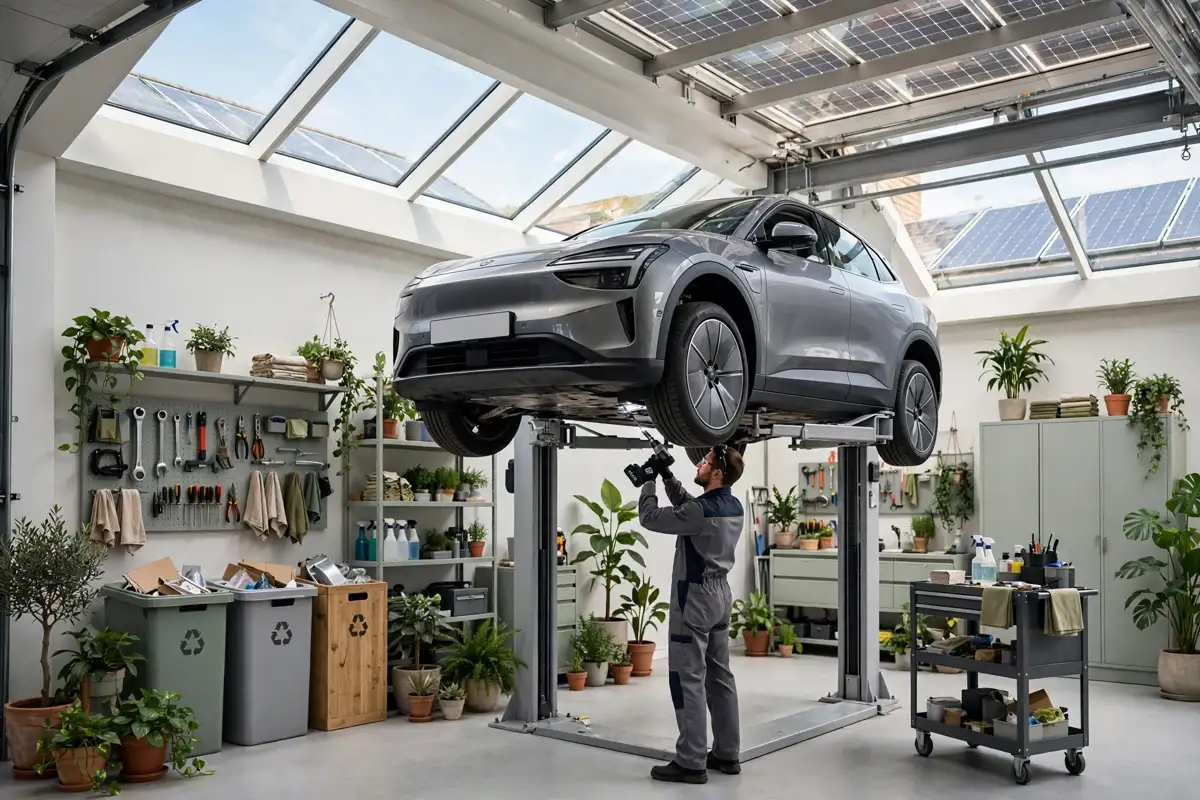
The EV transition is one of the most important long-term developments affecting the aftermarket. Electric vehicles have different powertrain architectures from conventional petrol and diesel cars, which changes some maintenance and repair requirements.
Electric vehicles still require attention to tyres, brakes, suspension, steering, bodywork, cooling systems and other components. However, the absence of a conventional internal-combustion engine changes the nature of certain routine maintenance tasks.
High-voltage systems also introduce specific safety considerations. Automotive businesses undertaking relevant work need appropriately trained personnel, suitable equipment and procedures that reflect the vehicle technology involved.
For independent garages, preparing for this transition is therefore not simply a matter of purchasing new tools. It can require investment in technician training, workshop procedures, diagnostic capabilities and safety infrastructure.
Independent Workshops Remain Important
Independent workshops are a major part of the UK’s vehicle servicing landscape. They provide motorists with alternatives to manufacturer-affiliated networks and often serve strong local customer bases.
The independent sector can also be adaptable. Smaller businesses may be able to introduce new services or change their operating models without the organisational complexity of a large network.
However, independence also means that businesses must make their own decisions about investment. A workshop needs to determine which technologies and services are commercially relevant to its customers and how quickly it should invest in new capabilities.
Customer trust can be particularly important for independent businesses. Clear explanations, transparent pricing and professional workmanship can help establish long-term relationships that encourage repeat servicing.
Service Innovation in the Aftermarket
Service innovation is changing how customers interact with automotive businesses. Mobile technicians, online booking systems, digital service records and improved diagnostic tools are examples of how the traditional garage model can evolve.
Mobile servicing is particularly relevant where a suitable job can be completed at a customer’s home or workplace. A mobile auto service can reduce the need for customers to travel to a workshop for certain types of maintenance or diagnostic work.
Technology can also improve workshop efficiency. Digital booking systems can help manage appointments, while diagnostic equipment can provide technicians with additional information when investigating electronic faults.
However, innovation should solve genuine customer or operational problems rather than simply adding technology for its own sake. The most useful developments are likely to be those that improve convenience, accuracy, efficiency or communication.
Investment in the Automotive Aftermarket
Automotive investment is becoming increasingly important as workshops adapt to technological change. Businesses may need to invest in diagnostic equipment, specialist tools, technician training and facilities capable of supporting newer vehicle technologies.
Investment decisions can be difficult for smaller businesses. Equipment can be expensive, and demand for a particular capability may take time to develop. A workshop therefore needs to consider the vehicles in its local market, the skills already available within its team and the likely direction of customer demand.
Investment is not limited to physical equipment. Staff development can be equally important. A sophisticated diagnostic system provides limited value if technicians do not have the knowledge required to interpret its results correctly.
The Changing Role of Vehicle Inspections
As vehicle technology becomes more complex, inspection remains an important part of automotive servicing. A professional inspection can help identify physical wear, safety concerns and potential mechanical issues that require attention.
Businesses offering auto inspection services can therefore play an important role in helping vehicle owners understand their cars’ condition.
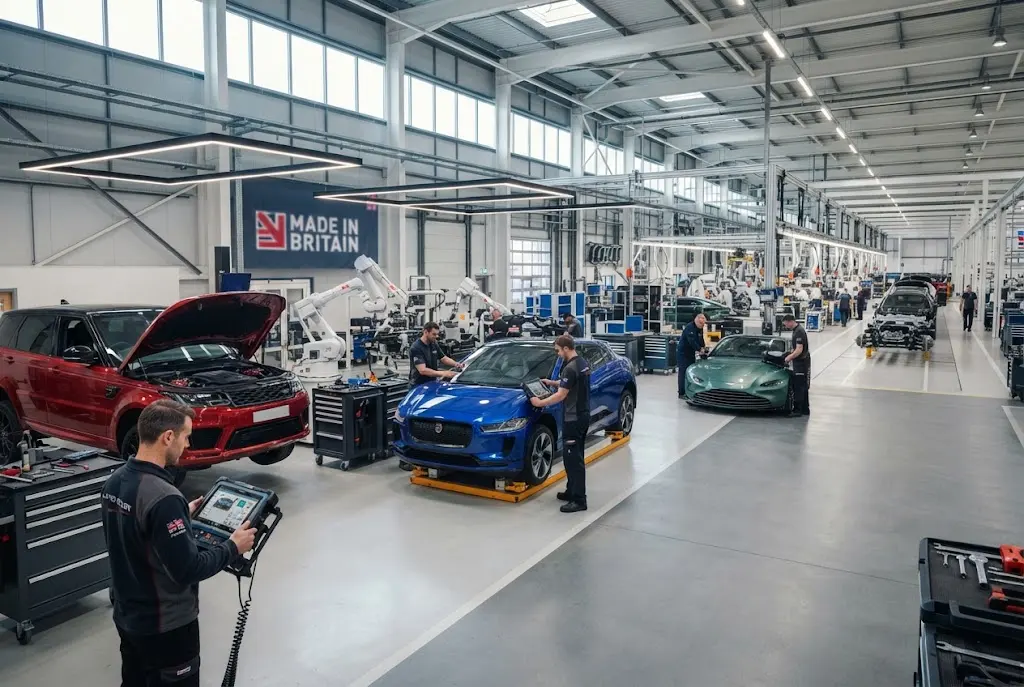
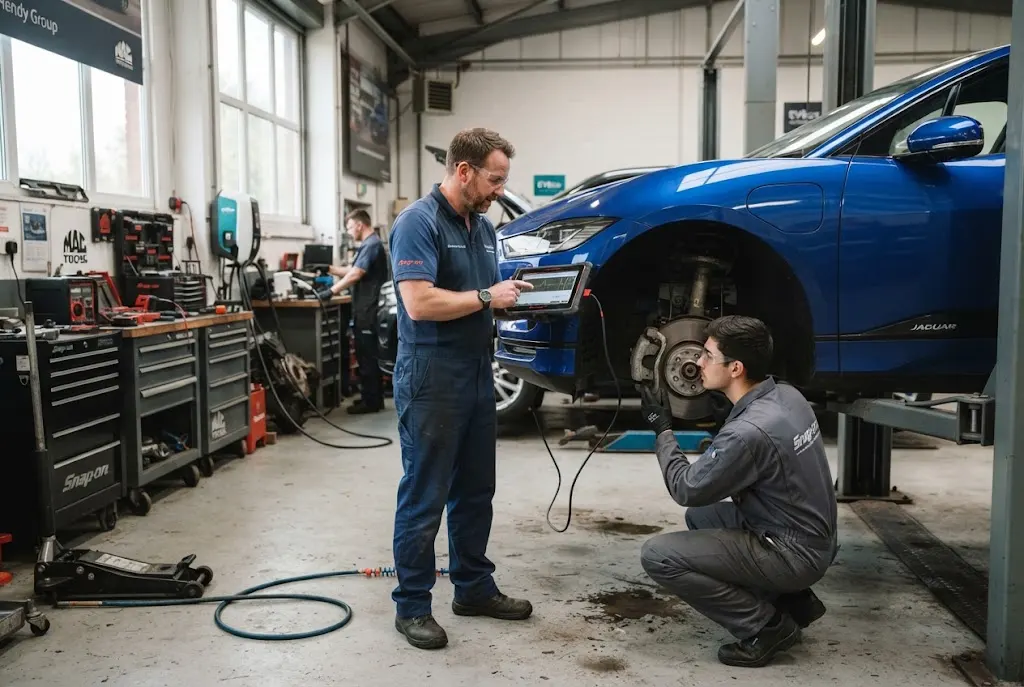
Inspection practices may also need to evolve alongside the vehicle fleet. Technicians increasingly need to understand electronic systems and diagnostic information alongside traditional mechanical components. The combination of physical inspection and appropriate diagnostic testing can provide a more complete assessment where required.
The Importance of Skilled Automotive Technicians
Technology does not eliminate the need for skilled technicians. Instead, it changes the knowledge technicians need to apply. Modern automotive professionals may need to combine mechanical understanding with electrical, electronic and digital diagnostic skills.
This makes workforce development an important part of the aftermarket’s future. Apprenticeships can help introduce new technicians, while continuing professional development can help experienced workers adapt to changing technologies.
Businesses that invest in people may be better positioned to maintain service quality as the vehicle fleet evolves. The ability to diagnose problems accurately and work safely with new systems will remain valuable even as the specific technologies change.
Customer Expectations Are Evolving
Today’s motorists increasingly expect automotive services to be convenient and transparent. Customers may want online booking, clear quotations, regular updates and straightforward explanations of recommended repairs.
Convenience can also influence where customers choose to have their vehicles serviced. Mobile services can meet certain needs, while traditional workshops remain essential for jobs requiring specialist equipment or extensive repairs.
Price remains important, but customers do not necessarily evaluate services on price alone. Reliability, communication, workmanship, convenience and confidence in the technician can all influence the overall perception of value.
Costs and the Future of Garage Services
The economics of running an automotive business are also changing. Labour, premises, energy, insurance, equipment and parts all contribute to operating expenses. Businesses need to recover these costs while remaining competitive in their local markets.
This can affect the pricing customers see for servicing and repairs. Drivers looking at car service cost should therefore consider what is included in a quotation rather than comparing headline prices alone.
As vehicles become more sophisticated, specialist knowledge and equipment can become additional components of the service. A workshop that has invested heavily in training and diagnostic capabilities may have a different cost structure from a business providing only basic maintenance.
Aftermarket Growth and Market Opportunities
Aftermarket growth will depend on several factors, including the size and age of the vehicle parc, vehicle usage, repair requirements, technological change and consumer behaviour.
The growing presence of electric and hybrid vehicles may shift demand between different types of maintenance. At the same time, older conventional vehicles will continue to require servicing and repairs for years to come.
This creates a mixed market rather than an immediate replacement of one service model by another. Businesses that can serve different vehicle technologies while maintaining strong core workshop capabilities may be well placed to benefit from changing demand.
Digitalisation and the Automotive Service Experience
Digital tools are increasingly becoming part of the customer journey. Websites, online booking, digital quotations and electronic service information can make it easier for motorists to interact with automotive businesses.
For workshops, digitalisation can also improve internal processes. Appointment management, customer records and diagnostic information can help businesses organise their operations more effectively.
However, digital convenience works best when it complements professional human service. Customers still need technicians who can inspect vehicles, explain problems and complete repairs appropriately.
What the Future May Look Like
The future UK automotive aftermarket is likely to be more technologically diverse than the market of previous decades. Electric vehicles will become increasingly important, while petrol and diesel vehicles will continue to require support during their remaining service lives.
Independent garages, mobile technicians and larger service networks will continue to compete and collaborate in different parts of the market. Some businesses will specialise, while others will seek to offer broader capabilities.
Workshops that combine technical competence with good customer communication will remain valuable. Investment in equipment and training can help businesses respond to new vehicle technologies, while service innovation can improve convenience for motorists.
Preparing for the Next Stage of the Aftermarket
Automotive businesses can prepare for change by understanding their customers, monitoring vehicle technology and identifying the skills and equipment they will need. Not every workshop needs to adopt every new technology immediately, but ignoring major changes indefinitely can create a competitive disadvantage.
A practical approach is to assess the local vehicle market, review existing technician capabilities and identify services that are likely to have sustainable demand. Investment can then be prioritised around areas that provide genuine value for customers and the business.
For vehicle owners, the changing aftermarket means more choice but also more reason to understand what different providers offer. A traditional workshop, specialist garage, mobile technician or diagnostic service may each be appropriate for different requirements.
The Outlook for the UK Automotive Aftermarket
The UK automotive aftermarket is not disappearing as vehicle technology changes; it is evolving. Vehicles will continue to need maintenance, inspections, repairs, diagnostics and replacement components, although the skills and processes involved will increasingly reflect modern vehicle technology.
The strongest businesses are likely to be those that balance established automotive expertise with new capabilities. Independent workshops can continue to serve local communities, mobile providers can offer convenience, and specialist businesses can address increasingly complex technical requirements.
Ultimately, the future of the aftermarket will be shaped by how effectively the industry responds to technological change while maintaining the fundamentals that motorists value: safety, reliability, competent workmanship and clear service.
For the UK’s automotive businesses, the opportunity is therefore not simply to adapt to the next generation of vehicles, but to rethink how automotive services are delivered. The combination of skilled people, appropriate investment, useful technology and customer-focused service can provide a strong foundation for the next phase of the aftermarket.