
The automotive industry remains an important part of the UK economy, supporting manufacturing, retail, servicing, maintenance, logistics, engineering and a large network of component businesses. Its performance is influenced by consumer demand, vehicle production, exports, investment, technology and the continuing transition towards electrified transport.
The market is also broader than vehicle manufacturing alone. The wider automotive sector includes dealerships, independent workshops, parts suppliers, repair businesses and the aftermarket. This makes industry performance relevant to both vehicle owners and businesses operating throughout the automotive service economy.
How the UK Automotive Industry Performs
The scale of the UK automotive industry can be seen across manufacturing and the wider automotive ecosystem. The Society of Motor Manufacturers and Traders (SMMT) reports that automotive-related manufacturing contributes £85 billion in turnover and £18 billion in value added to the UK economy, while the wider sector employs around 830,000 people. The sector also typically invests around £5 billion each year in research and development.
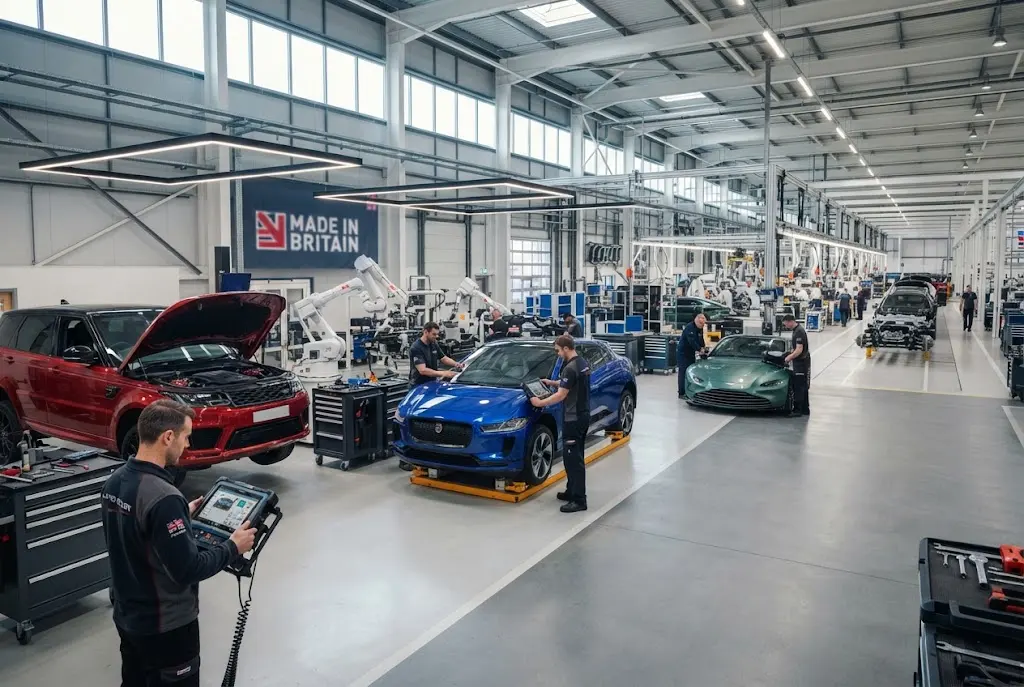
UK automotive manufacturing covers cars, vans, trucks, buses, coaches and specialist vehicles. It is supported by more than 2,500 component providers, while the sector also includes established aftermarket and remanufacturing industries.
This breadth means that automotive performance cannot be measured through new vehicle production alone. A change in manufacturing volumes can affect suppliers, logistics companies and employment, while changes in the vehicle parc can create different opportunities for service, maintenance and repair businesses.
UK Automotive Industry Performance in 2026
Recent 2026 data shows a mixed picture across different parts of the market. SMMT reported that UK vehicle production fell 7.5% in the first half of 2026 to 385,979 cars and commercial vehicles. However, production stabilised during the second quarter, with output down just 0.1% year on year, while exports increased during the quarter.
July brought another decline in manufacturing output, with production falling 11.6% to 63,655 vehicles. SMMT attributed the monthly movement partly to weaker exports and the timing of summer shutdowns at some manufacturing plants. At the same time, electrified model production recorded its first increase of the year, with four in ten cars built during the month being electric or hybrid.
These figures demonstrate why individual monthly statistics need to be considered in context. Production, exports and domestic demand can move differently, while planned factory shutdowns can influence short-term output.
New Car Market Growth and Consumer Demand
New vehicle registrations provide another measure of automotive market activity. SMMT reported that UK new car registrations reached 1,137,929 units in the first half of 2026, an increase of 9.2% compared with the same period of 2025. June registrations alone increased 11.4% to 213,166 units.
Consumer demand has also been changing by powertrain. In June, battery electric vehicles accounted for 30.0% of new car registrations, while plug-in hybrids represented 12.5% and conventional hybrids 14.0%.
More recent SMMT registration data for August 2026 shows the same broad movement. Year to date, battery electric vehicles represented 25.62% of registrations, hybrid electric vehicles 13.99% and plug-in hybrids 13.34%. Petrol accounted for 42.47%, while diesel represented 4.58%.
These changes matter to the wider service economy because different powertrains create different maintenance, diagnostic and repair requirements.
The Role of the Automotive Aftermarket
The aftermarket is a major part of the UK automotive economy. It includes vehicle servicing, repair, replacement parts, diagnostics, remanufacturing and specialist technical services that support vehicles after they enter use.
This part of the market becomes particularly important as the vehicle parc ages and consumers retain vehicles for longer. Workshops need to support a mixture of petrol, diesel, hybrid and electric vehicles rather than focusing on one powertrain alone.
The UK’s aftermarket also has an international dimension. In September 2026, SMMT reported that British companies export automotive components and aftercare expertise worth around £7 billion annually, covering areas such as replacement parts, braking systems, remanufactured components, diagnostics, electrification capability and specialist engineering.
For service businesses, this creates opportunities beyond traditional mechanical repair. Diagnostic capability, electronic systems and electrified vehicle expertise are becoming increasingly relevant as vehicle technology develops.
Automotive Investment and Technology
Investment is a key factor in the future performance of the UK automotive industry. Manufacturers and suppliers need capital for new products, production facilities, research, battery technology, software, electronics and lower-emission vehicle systems.
SMMT’s 2026 industry data indicates that automotive manufacturing typically invests around £5 billion annually in research and development.
There are also newer investment opportunities linked to electrification. SMMT analysis published in April 2026 identified a potential £4.6 billion opportunity for increased UK domestic sourcing by the end of the decade, particularly across batteries, electric motors and electronics.
Government announcements have also highlighted investment in zero-emission vehicle technology. In August 2026, the government announced almost £130 million of investment for next-generation zero-emission vehicle technologies, with projects expected to support more than 1,800 high-value manufacturing jobs.
Business Confidence and Industry Conditions
Business confidence within the automotive sector is influenced by several factors, including energy costs, international trade, regulation, consumer demand and the investment environment.
SMMT’s 2026 Automotive Business Leaders Barometer surveyed industry leaders representing businesses with combined turnover of £94 billion and 113,000 employees. The survey considered conditions affecting growth, trade and the transition towards zero-emission vehicles.
For automotive businesses, these conditions can influence decisions about equipment, recruitment, manufacturing capacity and new service capabilities. Smaller workshops may experience these trends indirectly through parts prices, technician availability, customer spending and demand for specialist repairs.
Market Growth and the Electrification Transition
Electrification is one of the most significant structural changes affecting the automotive industry. New registrations show increasing demand for battery electric, hybrid and plug-in hybrid vehicles, while manufacturers continue to invest in new powertrain technologies.
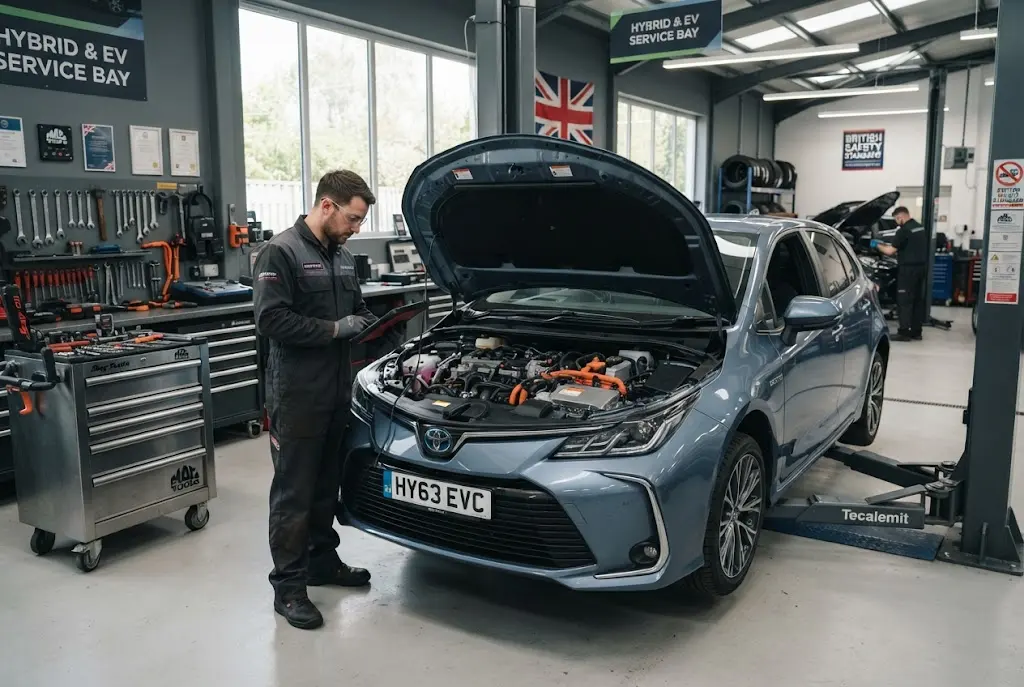
The transition also creates a need for new technical skills. Workshops increasingly need technicians who understand high-voltage systems, electronic diagnostics, battery technology and the safety procedures associated with electrified vehicles.
Businesses developing hybrid services can therefore serve an expanding part of the vehicle market while building experience relevant to the wider transition towards electric vehicles.
At the same time, conventional vehicles remain a significant part of the UK vehicle parc. This means the aftermarket must maintain expertise across multiple technologies rather than immediately replacing traditional mechanical capabilities.
How the Automotive Service Economy Is Changing
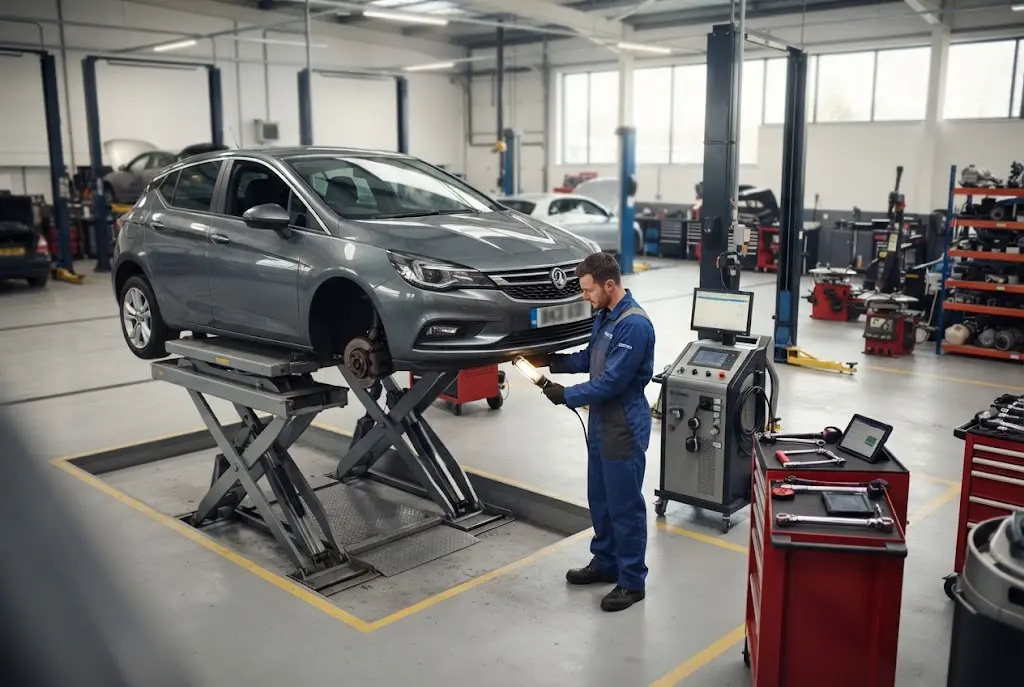
The service economy is being shaped by vehicle complexity as well as vehicle numbers. Modern cars can contain sophisticated electronic control systems, sensors, driver assistance technology and connected features. As a result, workshops increasingly need diagnostic equipment and technicians capable of interpreting electronic faults.
Routine maintenance remains important, but the nature of some repair work is changing. A technician may need to combine physical inspection with computerised diagnostics before identifying the cause of a problem.
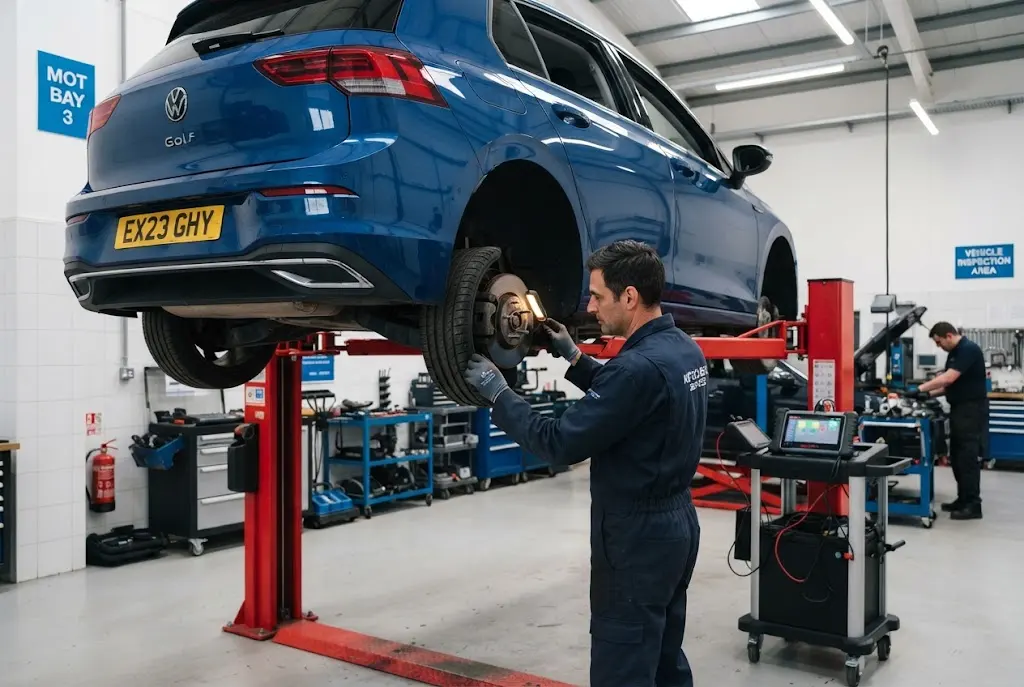
This is also why auto inspection services are relevant to the wider aftermarket. Vehicle inspection can support safety assessments, fault investigation and condition checks, while statutory MOT testing operates under its own defined requirements.
Consumer Spending and Vehicle Ownership
Consumer spending is another important factor in automotive performance. When household budgets are under pressure, motorists may reconsider vehicle purchases or delay non-essential maintenance. Conversely, competitive finance offers, greater model choice and changing running costs can influence demand for newer vehicles.
Recent registration data shows that private demand increased during 2026. In June, private registrations rose 12.5% year on year, while fleet registrations increased 10.5%.
For repair businesses, consumer spending patterns can influence the type and timing of work customers authorise. Understanding car service cost and the factors behind maintenance pricing can therefore help motorists plan their vehicle expenditure.
What the UK Automotive Industry Outlook Means for Workshops
The changing market presents several practical considerations for independent garages and automotive service businesses. Workshops may need to invest in diagnostic equipment, technician training and specialist safety procedures while continuing to support conventional vehicles.
Businesses can also benefit from understanding local demand. Regional vehicle demographics, consumer spending patterns and the number of electrified vehicles in an area can all influence the services customers require.
For example, a workshop operating in an area with a growing hybrid and EV population may gradually expand its electrified vehicle capabilities, while another may continue to see strong demand for conventional servicing and mechanical repairs.
Future Automotive Industry Trends
Several trends are likely to remain important as the UK automotive industry develops. Electrification will continue influencing manufacturing and servicing, while investment in batteries, electronics and software will affect the wider supply chain.
At the same time, the aftermarket will remain important because millions of existing vehicles require servicing and repair regardless of changes in new vehicle sales. The ability to maintain different generations of vehicles will therefore remain a core requirement for automotive service businesses.
Industry performance should also be monitored across several indicators rather than one number. Vehicle registrations can indicate consumer demand, production figures show manufacturing activity, investment data provides insight into future capacity and aftermarket activity reflects the ongoing needs of vehicles already on the road.
Automotive Industry: A Broad and Changing UK Sector
The automotive industry is a large and diverse part of the UK economy, extending from vehicle manufacturing and component supply to dealerships, servicing, maintenance, repair and specialist engineering.
Current 2026 data shows growth in new vehicle registrations alongside pressure on manufacturing output. At the same time, electrified vehicle registrations are increasing and investment is being directed towards technologies that will shape the next generation of vehicles.
For the automotive service sector, the key issue is adaptation. Workshops need to maintain established mechanical capabilities while developing the skills and equipment required for newer vehicle technologies. This combination of existing demand and emerging technology will continue to shape the UK’s automotive aftermarket and service economy.