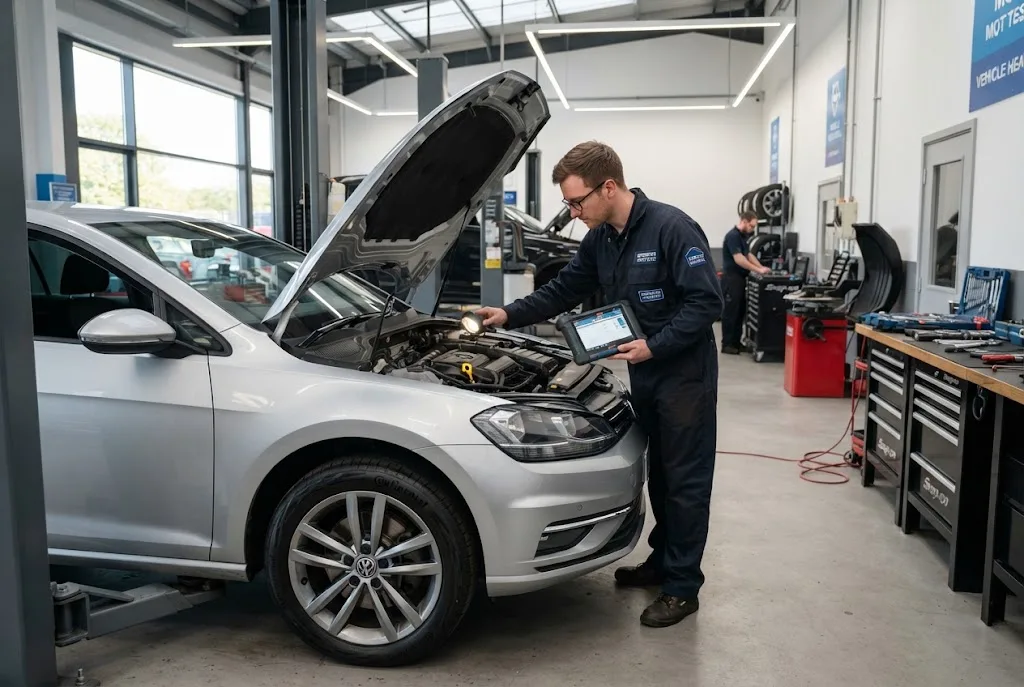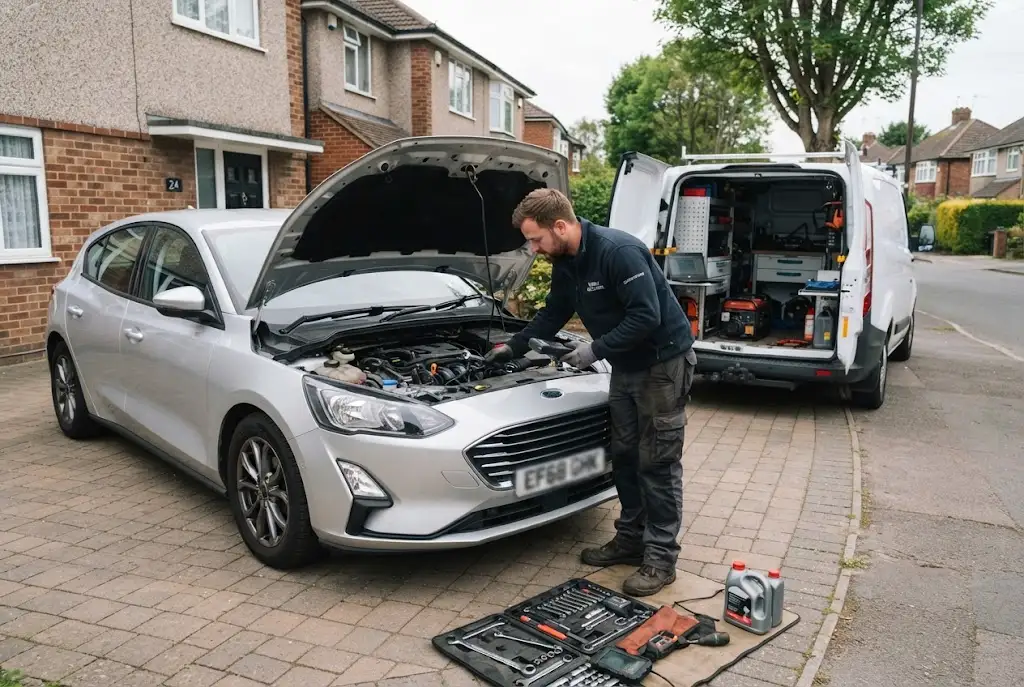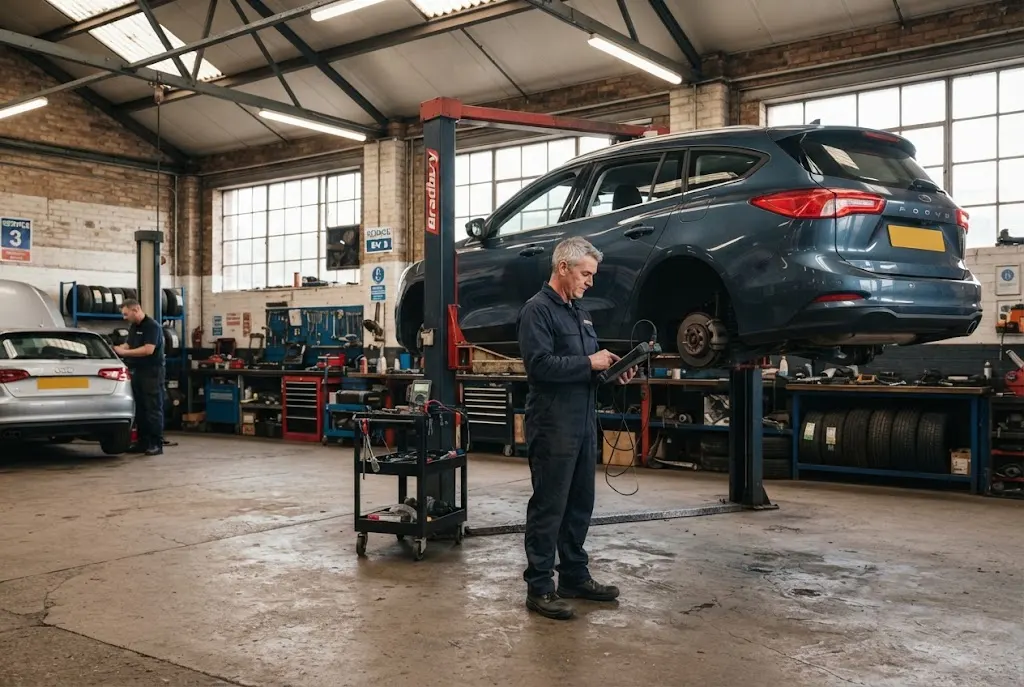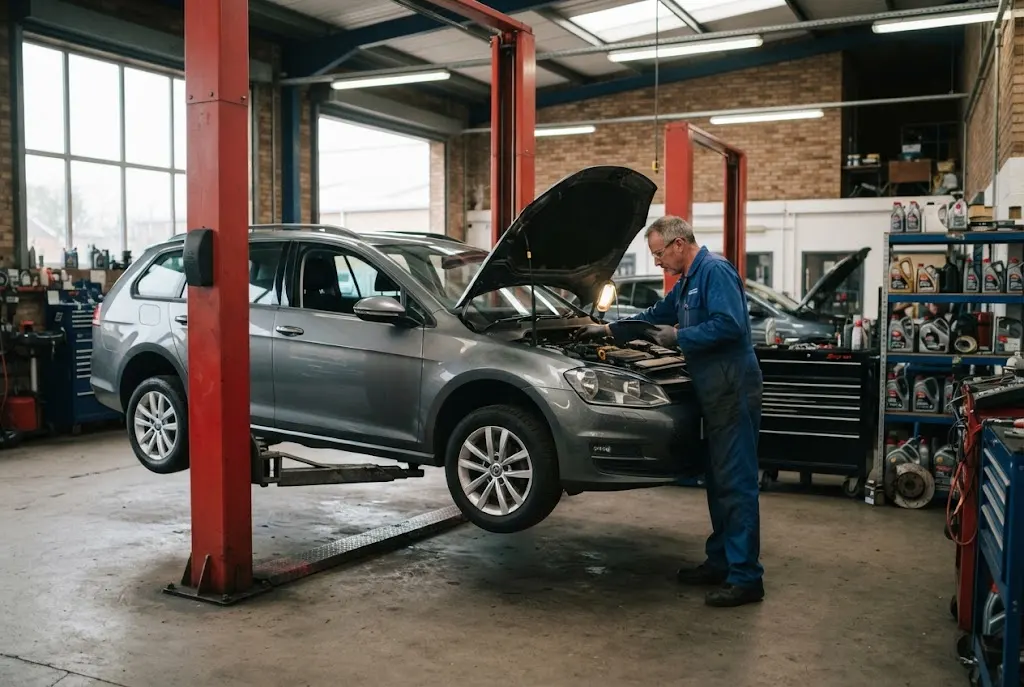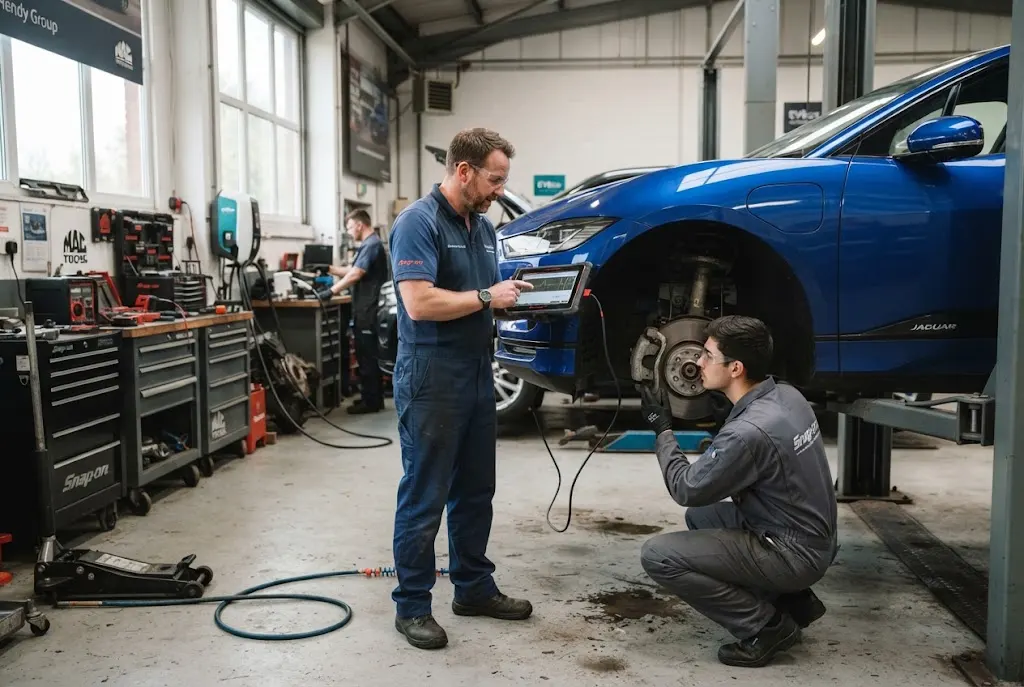

Auto care services depend on people with the technical knowledge and practical skills to inspect, diagnose, maintain and repair modern vehicles. Across the UK, automotive businesses are adapting to rapid changes in vehicle technology while also dealing with recruitment, training and workforce-development challenges. The result is a skills landscape that is changing alongside the vehicles technicians are expected to maintain.
The traditional mechanic’s role has expanded considerably. Modern technicians may work with electronic diagnostics, advanced driver assistance systems, electric and hybrid powertrains, vehicle software and increasingly complex safety systems. At the same time, workshops still need people with strong mechanical skills to service the large number of conventional vehicles already on British roads.
Why Auto Care Services Need a Changing Workforce
The UK’s vehicle parc contains a mixture of older petrol and diesel vehicles, hybrids and electric vehicles. Each technology creates different maintenance and repair requirements, which means the automotive workforce cannot simply rely on one fixed set of skills.
Technicians need a combination of practical workshop ability and technical understanding. Diagnostic skills are particularly important because faults in modern vehicles can involve electronic control systems as well as mechanical components.
The Institute of the Motor Industry (IMI) reported in March 2026 that around 16,000 automotive roles remained unfilled, with shortages particularly acute in body repair, paint and diagnostic roles. The organisation also reported that technical positions accounted for around 24% of automotive job postings in its labour-market analysis.
This makes workforce development directly relevant to the ability of businesses to maintain auto care services at the level required by today’s vehicle fleet.
Technician Shortages and Workshop Capacity
Technician shortages can affect more than recruitment figures. When a workshop cannot find appropriately skilled employees, its ability to accept and complete customer work can also be affected.
The IMI’s March 2026 labour-market briefing identified experienced, workshop-ready technicians as a particular area of shortage. It linked these shortages with constraints on repair capacity and highlighted body repair, paint and diagnostic roles as areas experiencing significant pressure.
For workshop businesses, recruitment therefore has an operational dimension. A vacancy for a specialist technician is not simply an unfilled position; it can influence scheduling, productivity and the range of work a business is able to undertake.
This is particularly relevant as vehicles become more technologically complex. A workshop may need technicians who can combine traditional mechanical knowledge with electronic diagnostics and specialist safety procedures.
Automotive Apprenticeships Remain an Important Route
Automotive apprenticeships provide one of the main routes for bringing new technicians into the industry. They combine structured learning with practical workplace experience, allowing employers to develop people for specific occupational requirements.
Recent data shows both progress and continuing pressure. SMMT reported in February 2026 that its survey of major automotive employers recorded 1,699 apprenticeship starts during 2025, an increase of 28% compared with the previous year, while the total number of apprentices employed by those surveyed increased by 33%. The same survey found that employers provided 1,824 apprenticeship courses to upskill existing workers.
However, the wider apprenticeship picture remains more challenging. The IMI reported that 4,561 automotive apprenticeship starts were recorded in the first quarter of the 2025/26 academic year, down 6% year on year and still around 20% to 25% below pre-pandemic levels.
These figures come from different datasets and therefore should not be treated as directly interchangeable. Together, however, they show why apprenticeship recruitment remains an important part of the industry’s workforce discussion.
Workforce Development Must Keep Pace With Technology
Training an entry-level technician is only one part of the challenge. Existing employees also need opportunities to develop new capabilities as vehicles change.
According to SMMT’s February 2026 survey, 61% of existing automotive roles are expected to require new skills by 2035. The organisation highlighted areas including high-voltage systems, battery handling, coding, data analysis and artificial intelligence.
The IMI’s latest automotive education research also demonstrates the growth of specialist training. Its August 2026 report recorded 74,734 EV-qualified technicians and 10,695 technicians with an ADAS-related qualification. At the same time, IMI projections indicate that EV and ADAS skills will need to expand substantially to meet future demand.
For employers, this means workforce development needs to be treated as an ongoing process rather than a one-time qualification. Technicians may need regular training as new diagnostic systems, vehicle architectures and safety technologies enter the market.
Electric Vehicles Are Changing Technician Requirements
Electric vehicles have introduced a new set of technical requirements for the automotive workforce. High-voltage systems require appropriate safety procedures, while battery systems, electric motors and associated electronics require specialist knowledge.
This does not mean conventional mechanical skills are disappearing. Electric vehicles still use components such as tyres, brakes, steering and suspension, while the UK’s existing petrol and diesel vehicle population will continue requiring maintenance for many years.
Instead, the industry is developing a broader skills mix. A modern technician may need to understand both established vehicle systems and newer electric or electronic technologies.
The IMI’s 2026 education data shows that EV training continues to grow, but its research also indicates that skills supply is not yet keeping pace with projected demand.
ADAS Creates Another Training Requirement
Advanced driver assistance systems create a similar challenge. Cameras, radar and other sensors can support functions such as lane assistance, adaptive cruise control and emergency braking.
When these systems are affected by repairs, component replacement or changes to vehicle geometry, correct calibration can become important. This creates demand for technicians who understand both the physical vehicle and the electronic systems operating around it.
IMI reported in August 2026 that only around 3% of the technician workforce had an ADAS TechSafe-eligible qualification, while the organisation forecasts substantially higher future demand for ADAS-qualified technicians.
For the wider auto care services market, this demonstrates how technology can create entirely new training requirements rather than simply changing existing jobs.
Recruitment Is Not Only About Young People
Apprenticeships are important for bringing younger people into automotive careers, but recruitment and skills development can also involve existing workers and people changing careers.
The IMI’s 2026 apprenticeship research shows that while under-19s remain the largest group of automotive apprenticeship starters, the proportions aged 19 to 24 and over 25 have also been growing.
This broader recruitment pool matters because automotive businesses need experienced employees as well as new entrants. Employers can potentially address workforce needs through apprenticeships, experienced technician recruitment, reskilling and structured professional development.
The Role of SMEs in Automotive Training
A large proportion of automotive businesses are small and medium-sized enterprises. For these businesses, training decisions can be particularly important because the owner or workshop manager may have to balance development costs against immediate operating requirements.
The IMI has highlighted the role of SMEs in developing the next generation of automotive professionals and has identified barriers including employment costs and the complexity of the apprenticeship system.
For smaller garages, investing in people can nevertheless have long-term value. A trained technician can expand the services a workshop offers, improve its ability to diagnose newer vehicles and reduce reliance on external specialist support.
This connects workforce investment directly with auto service garage business performance and the broader economics of the UK’s garage sector.
Training Can Support Industry Resilience
Skills development also contributes to industry resilience. A strong supply of qualified technicians gives workshops greater capacity to respond to changes in the vehicle parc and customer demand.
This is particularly relevant as older vehicles remain on UK roads alongside newer electric and connected models. The workforce must be capable of maintaining this diverse fleet rather than preparing exclusively for one future technology.
The wider automotive aftermarket already relies on a network of manufacturers, parts suppliers, independent workshops and specialist service providers. Maintaining the workforce that operates within that network is just as important as maintaining the physical supply chain.
What the Future Automotive Workforce May Look Like
The future automotive workforce is likely to be more technologically diverse. Mechanical expertise will remain important, but it will increasingly sit alongside skills in diagnostics, electronics, high-voltage systems, software and data.
SMMT’s 2026 research indicates that the industry expects substantial changes to the skills required across existing roles by 2035. At the same time, IMI research continues to identify recruitment and specialist skills pressures.
This suggests that the industry needs both a strong entry pipeline and continuous development for existing professionals. Apprenticeships can help bring new people into the sector, while technical training and professional development can help existing workers adapt.
Why Automotive Skills Matter to UK Drivers
Workforce development may sound like an industry issue, but it has a direct effect on motorists. Drivers depend on qualified professionals to service, diagnose and repair their vehicles correctly.
If the available workforce does not keep pace with the size and complexity of the vehicle fleet, workshops can face capacity constraints and customers may experience longer waits for specialist work.
That is why recruitment, training and skills development should be considered alongside the physical infrastructure of the automotive aftermarket. Parts availability and modern equipment matter, but they are only useful when skilled people can use them effectively.
The future of auto care services will therefore depend on a combination of people, technology and investment. Apprenticeships can build the entry-level pipeline, workforce development can help existing technicians adapt, and targeted recruitment can address specialist shortages.
As the UK vehicle parc continues to evolve, these workforce issues will remain closely connected with the wider economics of vehicle maintenance and the changing requirements of the country’s automotive aftermarket supply chain.
For the latest information on automotive qualifications, apprenticeships and technician skills, the Institute of the Motor Industry’s Automotive Education Report provides current UK data and workforce analysis.