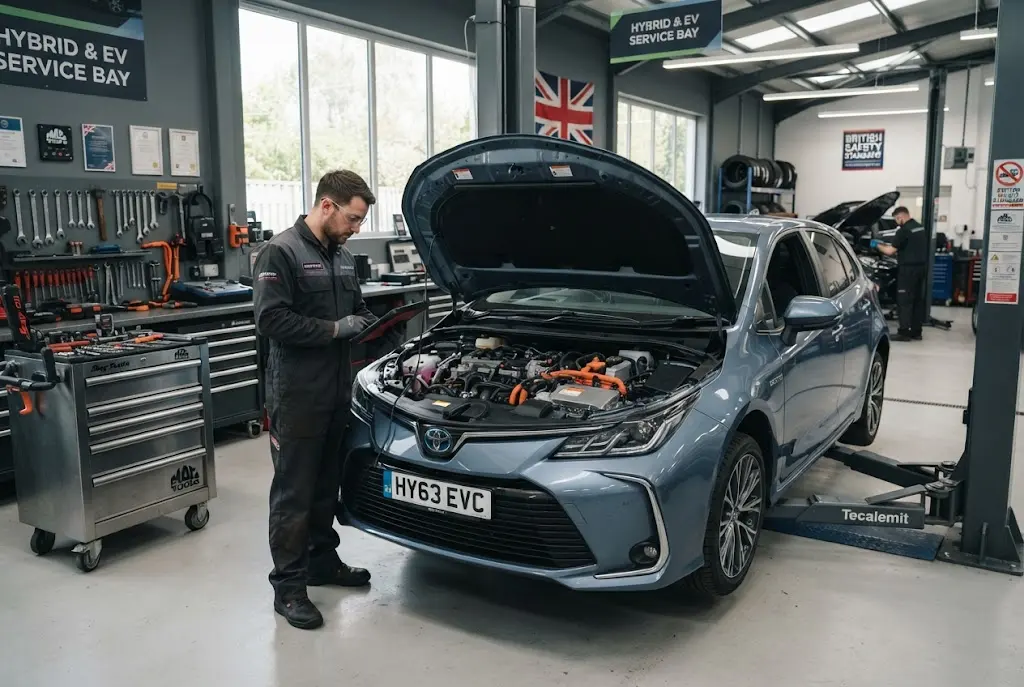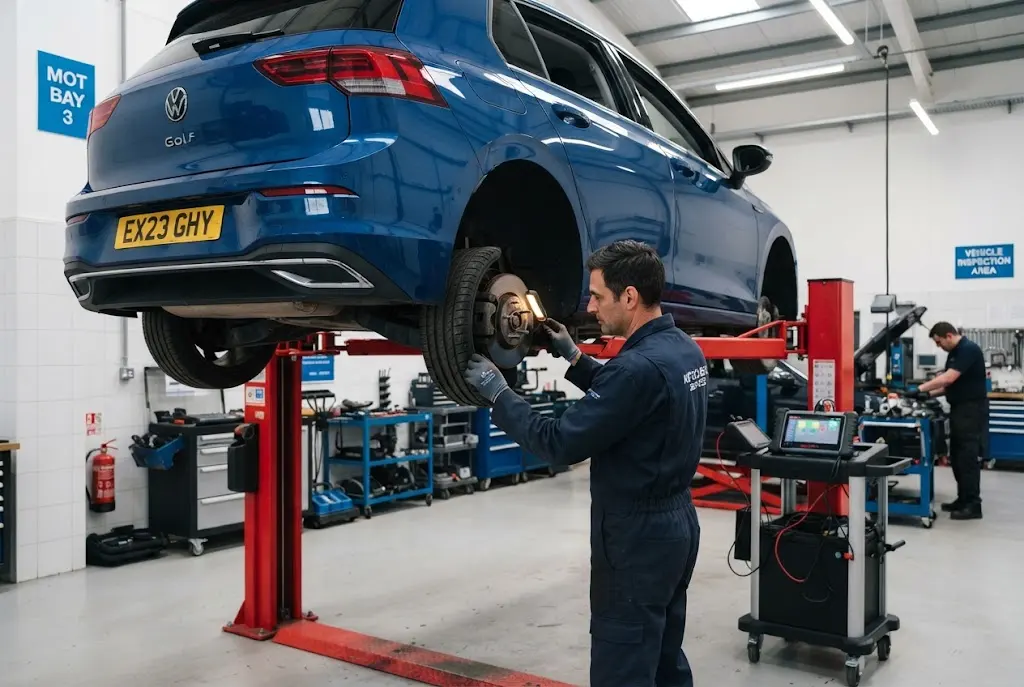

Repair finance can help motorists manage the cost of unexpected vehicle repairs by spreading payments rather than paying the entire bill immediately. For UK drivers, this can be particularly relevant when a vehicle needs urgent work but the repair cost is difficult to absorb within a normal monthly budget. Understanding how repair payment plans work, what they may cost and whether they are affordable is important before committing to any form of credit.
Vehicle repairs can range from relatively straightforward maintenance to expensive mechanical work. Brake components, suspension parts, electrical faults, clutch problems and other repairs can create significant bills, especially when several issues are identified at the same time. Finance can provide one possible way to manage these costs, but it should be considered alongside other payment options and the driver’s overall financial position.
What Is Repair Finance?
Repair finance generally refers to a credit arrangement used to pay for vehicle repair or maintenance work. Instead of paying the complete repair bill upfront, an eligible customer may spread the cost through agreed repayments over a specified period.
The exact structure depends on the finance provider, garage or intermediary involved. Some arrangements may be offered specifically for automotive repairs, while others may use a broader consumer credit product that can be used to fund eligible services.
The important point is that finance does not make a repair free. Interest, fees or other charges may apply depending on the agreement. The total amount repayable can therefore be higher than the original repair price.
Why Drivers Consider Repair Finance
Unexpected repair bills can create a difficult choice. A vehicle may be necessary for commuting, family responsibilities or everyday activities, yet the required repair may arrive at a time when available savings are limited.
Repair finance may be considered when:
- An essential vehicle repair cannot reasonably be postponed.
- The driver does not want to use all available savings on one repair.
- A suitable payment plan is available.
- The proposed repayments fit comfortably within the household budget.
- The vehicle is worth repairing and is expected to remain useful after the work is completed.
However, convenience should not be confused with affordability. Spreading a payment can make a bill easier to manage month by month, but it also creates a financial commitment that needs to be maintained until the agreement is completed.
How Repair Payment Plans Typically Work
Repair payment plans can take different forms, so motorists should read the specific terms rather than assuming every offer works in the same way.
A typical process may begin when a garage identifies the repair required and provides an estimated cost. If finance is available, the customer may then be given information about a finance option, including the amount being financed, repayment period and applicable charges.
Depending on the arrangement, the customer may need to complete an application and undergo a creditworthiness assessment before the finance can be approved. The agreement should explain the repayment obligations and the total cost of the credit.
The Financial Conduct Authority states that firms selling regulated consumer credit need to provide customers with sufficient information to make informed decisions. It also explains that lenders must assess creditworthiness, including affordability, before lending. :contentReference[oaicite:0]{index=0}
Repair Finance and Consumer Affordability
Consumer affordability is one of the most important considerations when evaluating finance for vehicle repairs. A monthly payment may appear manageable when viewed on its own, but it needs to be considered alongside rent or mortgage payments, utilities, food, insurance, existing credit commitments and other regular expenses.
UK consumer credit rules require firms to undertake a reasonable creditworthiness assessment before entering into a regulated credit agreement. FCA rules require consideration of both the risk of missed repayments and the risk that repayments could be unaffordable for the customer. :contentReference[oaicite:1]{index=1}
This means responsible borrowing should begin with a realistic assessment of what the household can afford. Approval for finance should not automatically be interpreted as evidence that the agreement is the best financial option.
Consider the Total Repayment
One of the easiest mistakes is to focus only on the monthly instalment. A longer repayment period may reduce the monthly amount while increasing the overall amount paid.
Before accepting an agreement, compare the amount borrowed with the total amount repayable. Also check the interest rate, fees, repayment period and any conditions that could affect the cost.
Review Existing Commitments
A new monthly payment becomes another financial commitment. Drivers should consider existing loans, credit cards, vehicle finance and other regular expenses before taking on additional borrowing.
If the proposed payment would leave little room for normal household spending or future unexpected expenses, the finance may not be appropriate even if the monthly figure initially appears affordable.
Repair Finance Versus Paying From Savings
For motorists who have sufficient savings, paying for a repair upfront can avoid the interest and charges associated with borrowing. However, using savings also reduces the amount available for future emergencies.
There is no universal answer because household circumstances differ. A driver might prefer to preserve a reasonable emergency fund and finance part of a major repair, while another person may prefer to use savings and avoid additional credit.
The decision should therefore consider both the cost of borrowing and the value of retaining accessible savings. Comparing the total finance cost with the financial flexibility provided by keeping some cash available can produce a more balanced decision.
Repair Finance Versus Maintenance Plans
Maintenance plans are different from repair finance. A maintenance plan may be designed to cover specified servicing or maintenance requirements over an agreed period, whereas finance is primarily a method of spreading payment for a cost that has already arisen or is being incurred.
Some motorists may benefit from planning regular maintenance in advance rather than relying on credit whenever an unexpected issue appears. Routine servicing, inspections and timely replacement of worn components can help identify problems earlier.
However, maintenance plans do not necessarily cover every repair. The terms should be checked carefully to understand what is included, what is excluded and whether additional costs can arise.
How Service Plans Can Help With Ownership Costs
Service plans can provide another approach to managing predictable maintenance expenses. Instead of treating servicing as an unexpected bill, a driver may spread the cost of eligible scheduled work over an agreed period.
This can make budgeting easier, particularly for motorists who prefer predictable monthly expenses. Nevertheless, service plans and repair finance address different needs. A scheduled service may be covered by a service plan while a sudden mechanical failure may not be.
Understanding this distinction is useful when calculating long-term ownership costs. The purchase price or monthly vehicle payment represents only one part of the cost of running a car. Insurance, fuel, servicing, tyres, repairs, taxation and depreciation can also affect the overall cost of ownership.
Choosing Between Repair Finance Providers
When comparing finance providers, drivers should examine the complete agreement rather than choosing solely on the lowest advertised monthly payment.
Important factors can include:
- Amount being financed
- Interest rate or representative APR where applicable
- Total amount repayable
- Length of the agreement
- Any arrangement or administration fees
- Early repayment conditions
- Consequences of missed payments
- Whether the agreement is regulated consumer credit
- Whether the finance is linked directly to the repair provider
Customers should also establish who is providing the credit and who is responsible for the agreement. The FCA provides information about consumer credit firms and explains the requirements that apply to lenders and other businesses involved in consumer credit. :contentReference[oaicite:2]{index=2}
Questions to Ask Before Accepting Repair Finance
Taking a few minutes to ask questions can make the decision clearer. A driver considering finance for vehicle repairs could ask the garage or finance provider:
- What is the total cost of the repair?
- How much will be financed?
- What is the total amount that will be repaid?
- How long will the repayment period last?
- Are there any additional charges?
- What happens if a payment is missed?
- Can the agreement be settled early?
- Is the finance agreement regulated?
- What exactly is covered by the repair quotation?
These questions can help distinguish the cost of the repair itself from the cost of borrowing to pay for it.
When a Vehicle Inspection Can Help
Finance decisions should also consider whether a vehicle is worth repairing. If a car has developed several faults or has a history of recurring problems, simply financing the latest repair may not provide the best long-term outcome.
For used vehicles in particular, a broader vehicle inspection can help identify mechanical and structural concerns before a purchase. Reviewing the vehicle’s condition alongside its service history and expected future maintenance can help buyers understand potential ownership costs.
This is especially relevant when a repair bill is large relative to the vehicle’s age, mileage or market value. Spending money on a repair can make sense when it restores a reliable vehicle, but repeated high-cost repairs may require a wider ownership assessment.
Repair Finance and the Wider UK Automotive Market
Repair finance sits within a broader automotive finance and maintenance ecosystem. Drivers may encounter finance when purchasing a vehicle, arranging repairs or planning maintenance, but each type of financial product serves a different purpose.
Vehicle finance is normally associated with acquiring a car, while repair finance relates to paying for maintenance or remedial work. Keeping these categories separate makes it easier to understand the actual financial commitment involved.
The UK motor finance sector is also subject to significant regulatory attention. In 2026, the FCA introduced a motor finance consumer redress scheme for eligible customers who were treated unfairly, although parts of the scheme have subsequently been suspended following legal challenges. :contentReference[oaicite:3]{index=3}
That development concerns historical motor finance arrangements rather than ordinary vehicle repair finance, but it illustrates why consumers should pay attention to the identity of a finance provider, the terms of an agreement and their rights when using automotive credit.
How to Budget for Future Vehicle Repairs
Repair finance can address an immediate problem, but building a longer-term maintenance budget can reduce dependence on credit. Drivers can estimate regular expenses such as servicing, tyres and MOT-related work while also keeping a reserve for unexpected repairs.
Regular inspections can help identify worn components before they become major failures. For example, tyres, brakes and suspension components may provide warning signs that are easier to address when discovered early.
Keeping service records can also help owners understand how frequently particular maintenance items have been required. A clear history can support better decisions when deciding whether to repair, maintain or eventually replace a vehicle.
Final Thoughts on Repair Finance
Repair finance can provide a useful way to spread the cost of an essential vehicle repair, particularly when paying the full bill immediately would put pressure on a household budget. However, borrowing should be evaluated on the basis of total cost, repayment terms and genuine affordability rather than the monthly payment alone.
Drivers should compare finance options carefully, understand the difference between repair finance, maintenance plans and service plans, and consider the vehicle’s wider ownership costs before committing to additional credit.
Most importantly, finance should support a sensible vehicle maintenance decision rather than encourage unnecessary spending. A clear repair quotation, an assessment of the vehicle’s condition and a realistic household budget can help motorists decide whether financing a repair is appropriate for their circumstances.