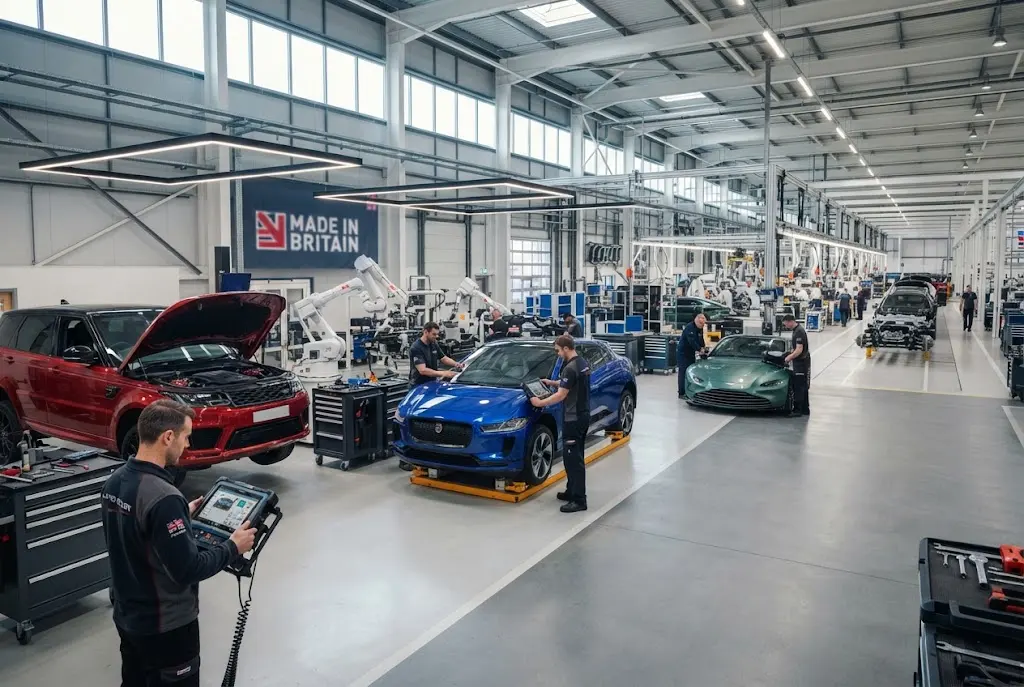

The UK auto services sector plays a vital role in keeping millions of cars, vans and other vehicles safe, reliable and roadworthy. From routine servicing and mechanical repairs to diagnostics, maintenance and specialist work on increasingly sophisticated vehicles, auto services support motorists and businesses throughout the vehicle ownership journey.
The market is also changing. Electric vehicles, advanced driver assistance systems, connected technology, ageing vehicles and evolving consumer expectations are reshaping how automotive businesses operate. Understanding these changes provides useful context for drivers, fleet operators, garage owners and anyone interested in the wider UK automotive industry.
What Are Auto Services?
Auto services cover a broad range of professional activities designed to maintain, inspect, diagnose, repair and support vehicles. The term can include routine vehicle servicing, mechanical repairs, brake work, tyre-related services, diagnostics, electrical repairs, air conditioning, maintenance and other workshop activities.
Some businesses specialise in particular areas, while independent garages and larger automotive workshops may provide a wider range of services. The UK aftermarket also includes parts suppliers, repairers, recovery businesses and other companies that contribute to keeping vehicles operational.
For motorists, the practical objective is straightforward: identify potential problems early, maintain important vehicle systems and deal with faults before they become more expensive or compromise safety.
Why Auto Services Matter to the UK Automotive Industry
The automotive industry extends well beyond vehicle manufacturing and new car sales. Once a vehicle reaches the road, it creates an ongoing requirement for maintenance, repairs, inspections, parts and technical support. That makes the aftermarket an important part of the wider automotive sector.
The Society of Motor Manufacturers and Traders (SMMT) reports that more than 42 million vehicles were on UK roads in 2025. Its aftermarket research also highlights the scale of the service and repair ecosystem, which includes tens of thousands of workshops and supports hundreds of thousands of jobs.
This creates a continuing flow of demand for automotive businesses. Even when new vehicle sales fluctuate, vehicles already in use still require maintenance and repairs. As a result, the service economy surrounding vehicle ownership remains closely connected to everyday mobility.
Key Areas Covered by Auto Services
Routine Vehicle Servicing
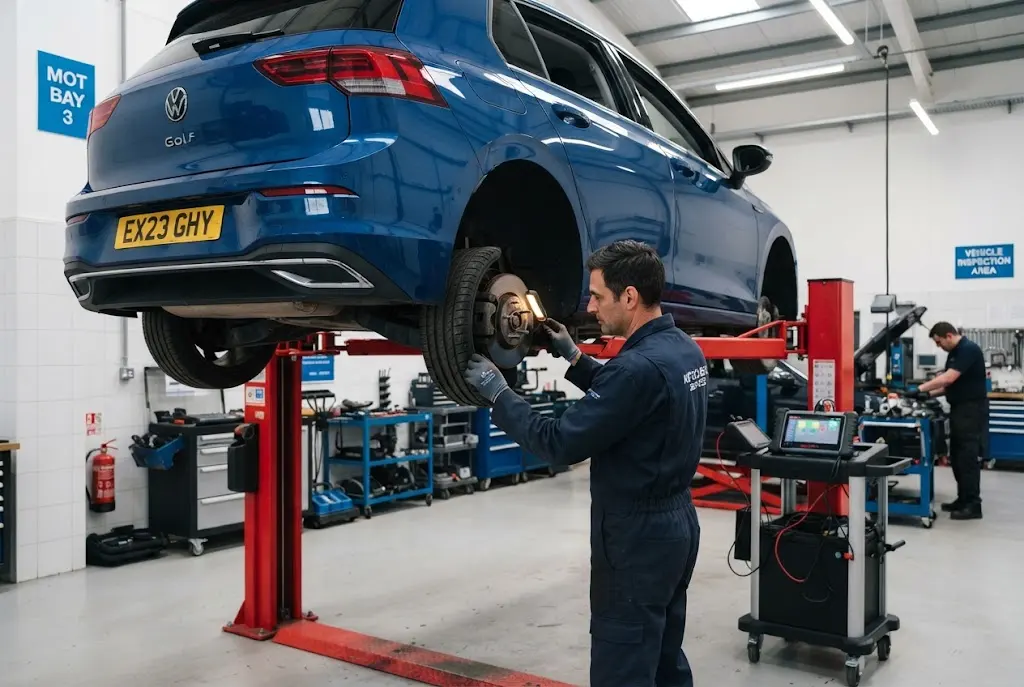
Regular servicing helps identify worn components, fluid issues and developing mechanical problems. Depending on the vehicle and manufacturer schedule, a service may include checks and replacements involving oil, filters, brakes, tyres, lights, fluids and other important systems.
Service requirements vary between vehicles, so motorists should follow the relevant manufacturer’s maintenance recommendations rather than relying on a single schedule for every car.
Auto Repair Services
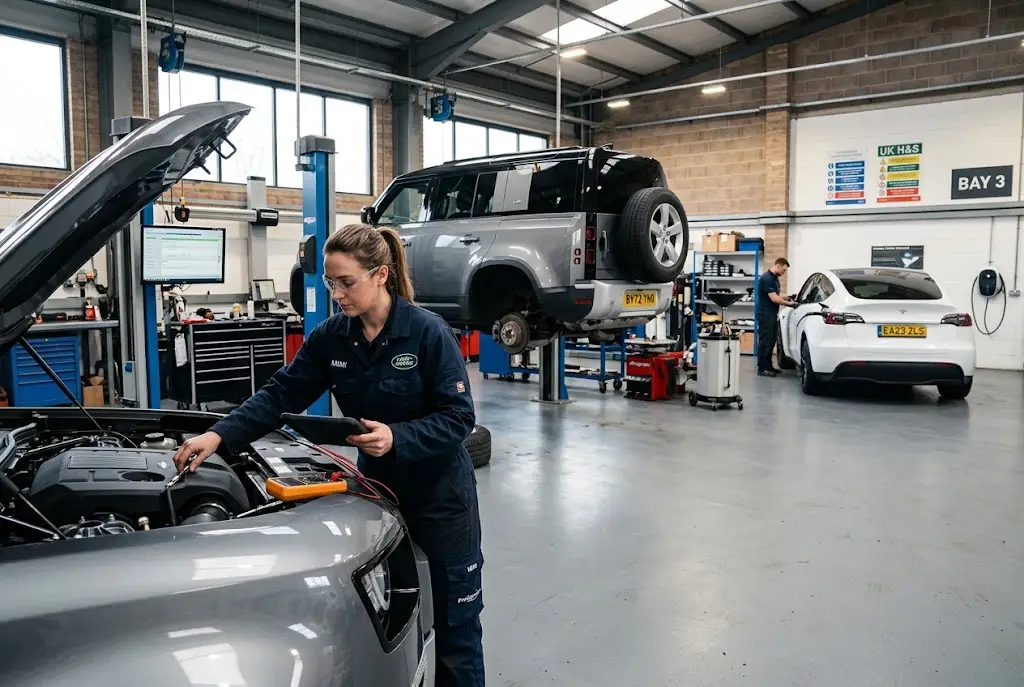
Auto repair services address faults that affect a vehicle’s mechanical, electrical or electronic systems. Common workshop work can involve braking systems, suspension, steering, exhaust components, batteries, engines, transmissions and vehicle electronics.
Modern diagnostic equipment has also become increasingly important. Many vehicles contain sophisticated electronic control systems, meaning technicians may need specialised equipment and technical knowledge to identify faults accurately.
For motorists comparing repair providers, factors such as technician expertise, diagnostic capability, transparent pricing and clear communication can be just as important as location.
Preventive Auto Care
Auto care services are not limited to repairing something after it fails. Preventive maintenance can help motorists identify developing issues before they become larger problems.
Simple habits such as checking tyre condition, monitoring warning lights, following servicing schedules and responding promptly to unusual noises or handling changes can support better vehicle upkeep. Professional inspections can provide an additional layer of reassurance when a vehicle is showing signs of wear.
This approach also connects closely with the wider topic of vehicle maintenance, particularly for owners who want to understand the long-term economics of keeping a vehicle on the road.
The UK Auto Services Market Is Changing
The automotive aftermarket is experiencing significant technological change. Electric vehicles are becoming a larger part of the UK vehicle parc, while modern petrol and hybrid vehicles are also becoming more technologically advanced.
SMMT reported in 2026 that the UK vehicle parc reached a record level in 2025, while battery electric cars in use increased substantially. This means workshops increasingly need to support a mixed vehicle population rather than focusing exclusively on traditional internal combustion engines.
For automotive businesses, that transition can require investment in training, tools, safety procedures and diagnostic capabilities. It also creates opportunities for workshops that develop expertise in new vehicle technologies.
Electric Vehicles and the Future of Auto Services
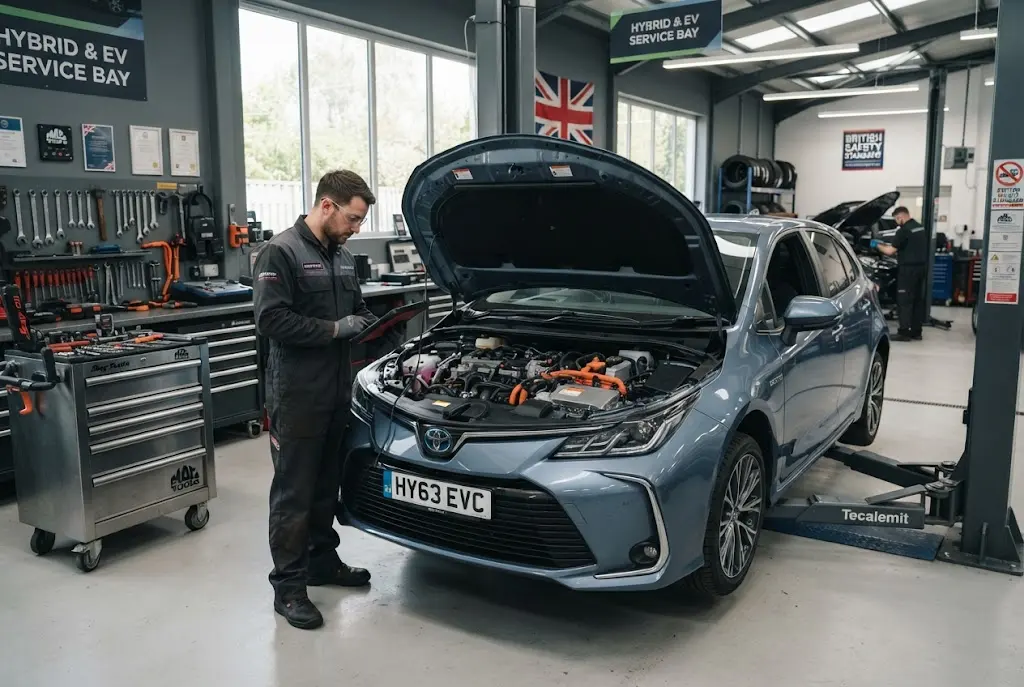
Electric vehicles have different maintenance requirements from conventional cars. They do not use many of the same engine-related components, but they still require professional attention to tyres, brakes, suspension, steering, electrical systems, cooling systems and other vehicle components.
High-voltage systems also mean that appropriate training and safety procedures are essential when technicians work on relevant components. Workshops therefore need to understand the specific requirements associated with electric and hybrid vehicles.
The transition is already influencing workshop investment. SMMT reported that more than four in five workshops surveyed in its 2025 aftermarket research were equipped to service electric vehicles, demonstrating how quickly the sector is adapting.
At the same time, advanced driver assistance systems are becoming increasingly common. Features such as lane-keeping assistance, automatic emergency braking and adaptive cruise control can introduce additional diagnostic and calibration requirements.
Auto Services and an Ageing UK Vehicle Fleet
Technology is only one side of the market. The age of vehicles on UK roads also matters significantly to automotive businesses.
SMMT’s 2025 Motorparc data showed that the average UK car had reached 9.7 years, with a record proportion of cars aged more than 10 years. Older vehicles can create sustained demand for repairs, replacement components and maintenance as owners decide whether keeping an existing vehicle is more economical than replacing it.
This creates an important balance within the market. Newer vehicles may require specialist diagnostic expertise and technology-related services, while older vehicles can generate demand for traditional mechanical repairs and replacement parts.
Consequently, successful automotive workshops may need to serve a broad range of vehicle ages and powertrains.
The Role of Independent Automotive Businesses
Independent garages remain an important part of the UK aftermarket. They provide motorists with an alternative to manufacturer-affiliated networks and can serve local communities with servicing, diagnostics, repairs and maintenance.
For smaller automotive businesses, maintaining customer trust is particularly important. Clear estimates, honest explanations, documented work and sensible maintenance recommendations can help establish long-term relationships.
Technical capability is equally important. As vehicles become more electronically sophisticated, workshops may need to continually update their equipment and develop staff skills to remain competitive.
What Is Driving Demand for Auto Services?
Several factors influence demand across the auto services market. The size of the vehicle parc is one of the most important because every vehicle represents potential future requirements for servicing, maintenance or repair.
Vehicle age is another factor. Older cars may require more frequent repairs or replacement components, while newer vehicles can require specialist diagnostics and technology-related work.
Economic conditions can also influence consumer behaviour. When household budgets are under pressure, some motorists may delay replacing a vehicle and instead invest in keeping their existing car operational. Conversely, higher repair costs can cause some owners to reassess the economics of vehicle ownership.
Commercial fleets create another source of demand. Businesses depend on vans, cars and other vehicles to provide services and deliver goods, making reliable fleet maintenance an important operational consideration.
Industry Trends Shaping UK Auto Services
The future of auto services will be influenced by several overlapping trends. Electrification is one of the most visible, but it is not the only change affecting workshops.
- EV adoption: Workshops are developing the skills and equipment required to maintain electric and hybrid vehicles.
- Advanced diagnostics: Increasingly electronic vehicles require more sophisticated fault-finding capabilities.
- Connected vehicles: Vehicle connectivity is changing how information about vehicle condition and maintenance can be accessed.
- ADAS technology: Driver assistance systems can create additional inspection, repair and calibration requirements.
- Ageing vehicles: Older cars continue to support demand for mechanical repairs and replacement parts.
- Skills development: Technicians need to keep pace with changing powertrains, electronics and safety technologies.
- Customer expectations: Drivers increasingly expect transparent communication, convenient booking and professional service.
These developments mean that the modern workshop is becoming more technology-driven while still relying on traditional mechanical expertise.
How Car Servicing Fits Into the Wider Market
Car servicing is one of the most visible parts of the broader auto services industry. Routine servicing can help maintain vehicle condition, while inspections and repairs address specific issues as they arise.
Understanding the difference between an interim service, full service and major service can help motorists make better decisions about vehicle upkeep. However, the correct service interval and specification should always reflect the vehicle manufacturer’s recommendations and the vehicle’s usage.
For a deeper look at this specific part of the market, readers can explore our guide to car servicing in the UK.
Why Vehicle Maintenance Should Be Viewed as an Investment
Vehicle maintenance is sometimes treated purely as an unavoidable expense. In reality, regular maintenance can form an important part of ownership planning.
Keeping up with scheduled servicing and addressing faults promptly can help owners understand their vehicle’s condition and potentially avoid some preventable problems. For businesses operating fleets, planned maintenance can also form part of wider operating-cost management.
Maintenance does not eliminate the possibility of unexpected repairs, but a structured approach can make vehicle ownership more predictable. This is particularly relevant when comparing the ongoing cost of maintaining an existing vehicle with the financial commitment involved in changing vehicles.
The Importance of Choosing the Right Workshop
Choosing an automotive business should involve more than simply comparing the cheapest advertised price. Motorists should consider whether a workshop has the equipment and expertise appropriate for their vehicle, particularly if it is an electric, hybrid or technologically advanced model.
It is also sensible to ask what work is included, whether replacement parts are clearly identified, and whether the garage explains additional repairs before proceeding. Good communication can reduce misunderstandings and help customers make informed decisions.
For vehicles requiring specific repairs, the broader auto repair services market provides another important part of the UK’s automotive support network.
What the Future Holds for UK Auto Services
The UK auto services industry is likely to remain essential because vehicles will continue to require professional support throughout their working lives. However, the nature of that support is changing.
Workshops will increasingly need to combine traditional mechanical skills with electrical expertise, digital diagnostics and knowledge of advanced vehicle systems. Businesses that invest in training, equipment and customer service will be better positioned to respond to these changes.
At the same time, motorists will continue to need straightforward guidance about servicing, maintenance and repairs. The growing diversity of vehicles means that professional advice can become even more valuable when owners are deciding what work their vehicle actually needs.
For drivers, understanding the wider auto services market makes it easier to see how routine servicing, repairs, maintenance and emerging vehicle technology fit together. For businesses, the market represents a sector that is evolving rapidly while retaining a fundamental role in keeping the UK’s vehicles moving.
As regulations and vehicle technologies continue to develop, MOT requirements also remain an important part of vehicle ownership and workshop activity. Our dedicated guide to MOT and service requirements provides a useful next step for understanding how servicing and testing fit together.
The wider UK aftermarket therefore sits at an important point of transition. Its future will depend on its ability to support an increasingly diverse vehicle parc while maintaining safety, technical quality, affordability and consumer confidence.