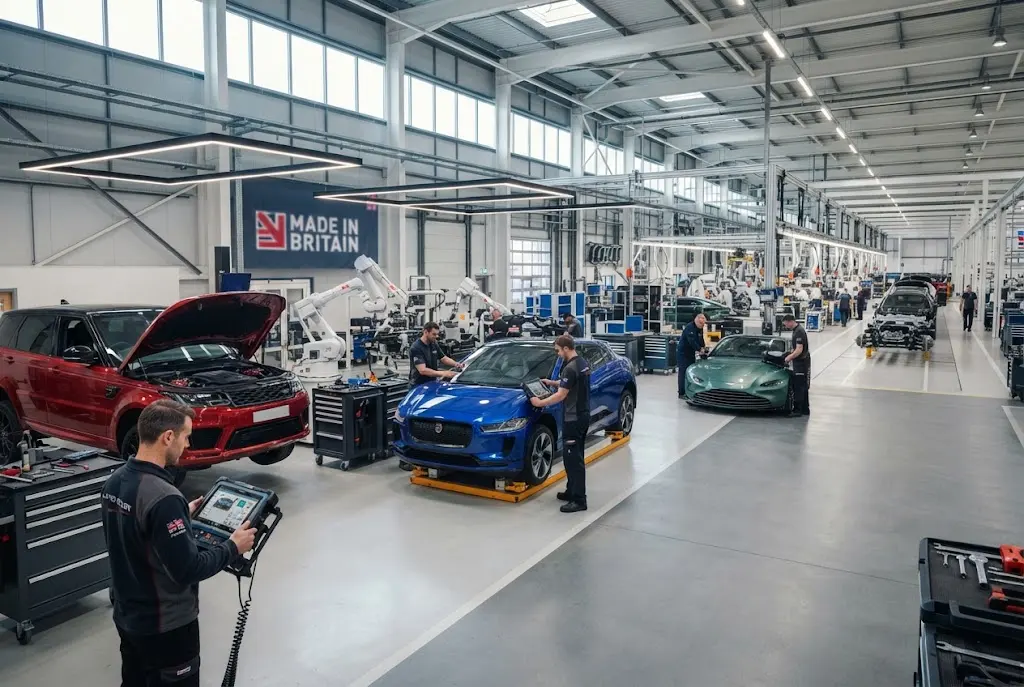

Auto repair services are an essential part of the UK’s automotive aftermarket, helping motorists keep vehicles operational when mechanical, electrical or electronic faults occur. From independent repair garages to larger automotive workshops, the sector provides technical support for millions of cars, vans and other vehicles across the country.
The repair industry is changing as well. Electric and hybrid vehicles, advanced driver assistance systems, increasingly sophisticated electronics and an ageing vehicle fleet are creating new requirements for technicians and workshops. At the same time, motorists continue to need dependable repair capacity for conventional petrol and diesel vehicles.
Understanding how the UK’s auto repair sector works provides useful context for drivers, fleet operators, automotive businesses and anyone interested in the wider automotive industry.
What Are Auto Repair Services?
Auto repair services involve diagnosing and correcting faults affecting a vehicle’s mechanical, electrical, electronic or other operational systems. The work can range from relatively straightforward component replacement to complex diagnostic investigations.
Common repair work can include brakes, suspension, steering, exhaust systems, batteries, cooling systems, engines, transmissions and electrical components. Modern workshops may also diagnose electronic control systems and deal with technology-related faults.
The precise repair required depends on the vehicle, its age, mileage, powertrain and condition. A professional diagnosis is therefore important when the cause of a problem is not immediately obvious.
Why Auto Repair Services Matter to the UK Automotive Sector
Vehicles remain in use long after they leave the showroom. Throughout their ownership lifecycle, they may require replacement parts, maintenance, inspections and repairs. This creates continuing demand for the businesses that make up the automotive aftermarket.
The Society of Motor Manufacturers and Traders has highlighted the substantial scale of the UK’s aftermarket, with tens of thousands of workshops supporting motorists and commercial vehicle operators.
Repair garages therefore form an important part of the broader UK auto services industry. Their work supports mobility while creating demand for technicians, parts suppliers, diagnostic equipment and specialist services.
Common Types of Auto Repair Services
Brake Repairs
Braking systems are among the most important safety-related components on a vehicle. Depending on condition, repairs may involve brake pads, discs, calipers, hydraulic components or other parts of the braking system.
Brake problems should not be ignored. Symptoms such as unusual noises, vibration, changes in pedal feel or reduced braking performance warrant professional assessment.
Suspension and Steering Repairs
Suspension and steering components influence handling, stability and ride quality. Worn or damaged components can affect how a vehicle behaves, particularly when cornering, braking or travelling over uneven surfaces.
A workshop may inspect components such as shock absorbers, springs, bushes, steering joints and other relevant parts when investigating handling or suspension concerns.
Engine and Transmission Repairs
Conventional vehicles can develop faults affecting engines, transmissions and associated systems. Repair complexity varies considerably, from replacing an individual component to undertaking substantial mechanical work.
Early diagnosis can be valuable because symptoms such as unusual noises, warning lights, poor performance or fluid leaks can have several possible causes.
Electrical and Diagnostic Repairs
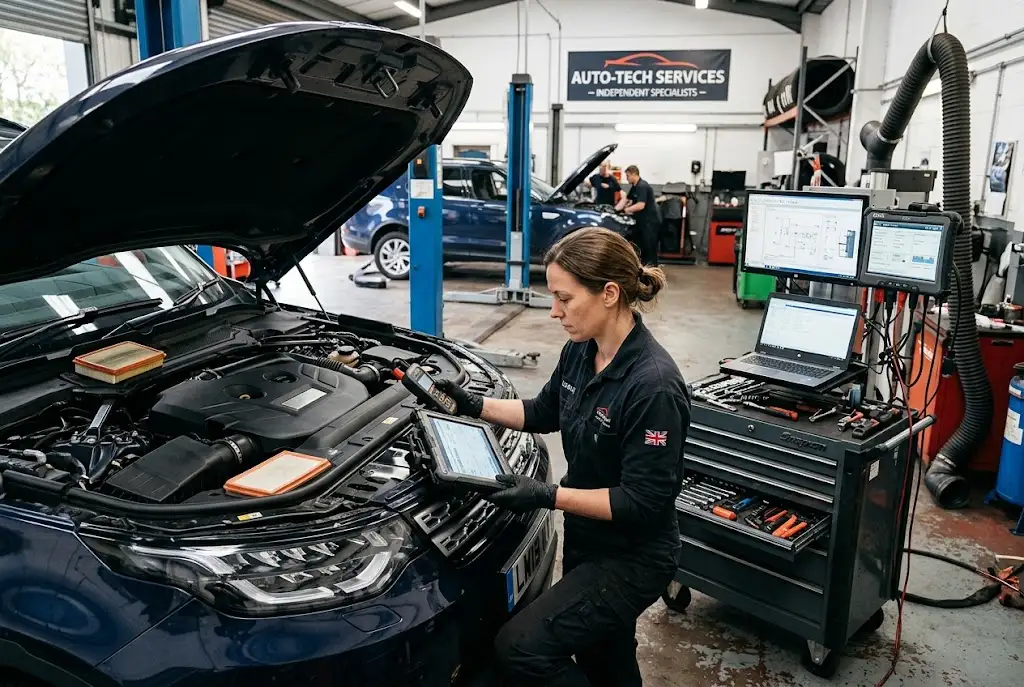
Modern vehicles contain numerous electronic control units, sensors and communication systems. Consequently, electrical diagnostics have become an increasingly important part of professional repair work.
A dashboard warning light may indicate a problem that requires specialist diagnostic equipment before the underlying fault can be identified. Simply replacing a component without establishing the cause can result in unnecessary expense.
Independent Garages and the UK Repair Market
Independent garages play an important role in the UK’s repair sector. They provide motorists with local alternatives to manufacturer-affiliated repair networks and often serve a wide range of vehicle makes and models.
The strengths of an independent workshop can include local accessibility, established customer relationships and experience across different vehicle brands. However, capabilities vary between businesses, so motorists should consider whether a particular garage has the equipment, training and expertise required for their vehicle.
This is especially relevant for newer vehicles and models using hybrid or electric powertrains.
Auto Repair Services for Modern Vehicles
Vehicle technology has transformed the skills required within automotive workshops. Modern cars can contain sophisticated electronics, sensors, software-controlled systems and driver assistance technologies.
Repair technicians may therefore need to combine traditional mechanical knowledge with electronic diagnostics and system-specific procedures.
Advanced driver assistance systems can create additional requirements. Depending on the repair, cameras, radar sensors or other components may need appropriate inspection or calibration.
For workshops, keeping pace with this technology requires investment in diagnostic equipment and ongoing technician training.
Electric Vehicles and the Repair Industry
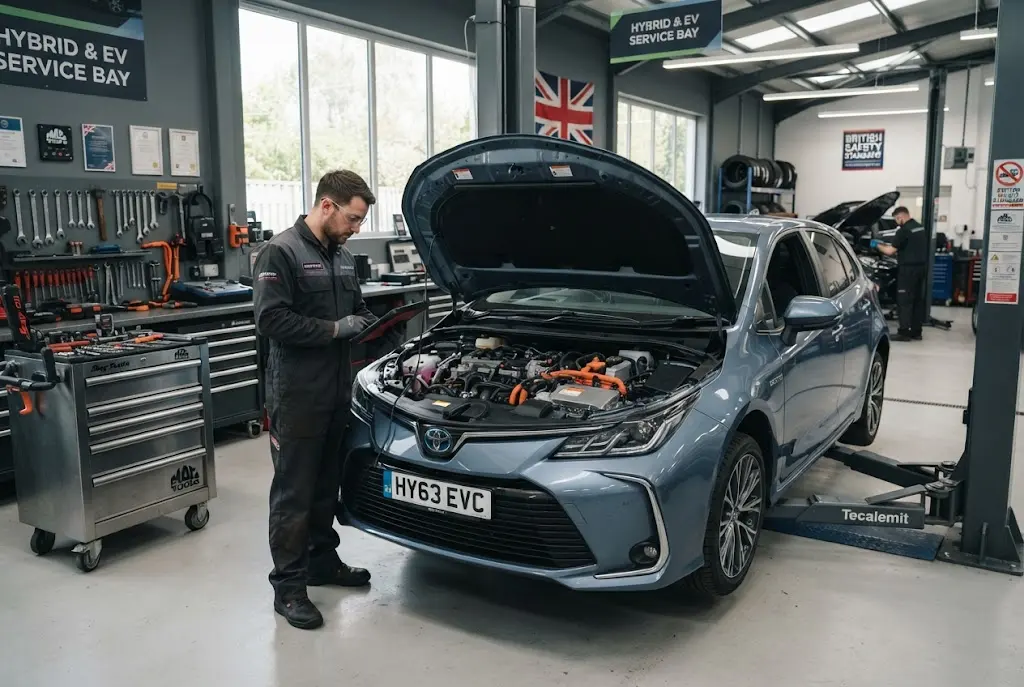
The increasing number of electric and hybrid vehicles on UK roads is reshaping repair requirements. Electric vehicles generally have fewer conventional engine components, but they still contain braking, steering, suspension, tyre, electrical and cooling systems that can require professional attention.
High-voltage systems introduce specific safety considerations. Technicians working on relevant systems need appropriate training, procedures and equipment.
SMMT aftermarket research has highlighted the industry’s transition towards electric vehicle capability, with a large majority of surveyed workshops reporting that they were equipped to service EVs.
This does not mean every workshop is suitable for every electric or hybrid vehicle. Owners should check whether a garage has appropriate experience and equipment before arranging specialist work.
The Age of Vehicles and Repair Demand
The age of the UK’s vehicle fleet is another important factor affecting the repair sector. Older vehicles can generate sustained demand for replacement components and mechanical repairs as parts experience normal wear over time.
SMMT reported that the average UK car reached 9.7 years of age in 2025, while the proportion of cars aged more than 10 years reached a record level.
This creates a mixed market for repair businesses. Workshops need to support older vehicles with conventional mechanical requirements while also developing capabilities for newer cars featuring advanced electronics and electrified powertrains.
Auto Repair Services and Technician Skills
Technician expertise is central to the performance of the repair industry. As vehicle technology develops, technicians need to understand more than traditional mechanical systems.
Diagnostic skills, electrical knowledge, electronic systems and high-voltage safety can all become important depending on the vehicles a workshop supports.
Skills development is particularly significant because incorrect diagnosis can lead to unnecessary parts replacement and additional costs for customers. A capable technician should be able to combine diagnostic information with physical inspection and technical knowledge.
Labour Challenges in the Repair Sector
Skills availability is an important issue for automotive businesses. Workshops need qualified people who can work safely and effectively on increasingly complex vehicles.
The transition towards electrification adds another dimension because technicians may need specialist high-voltage training alongside conventional automotive skills.
For repair businesses, investing in training can therefore be both a competitive requirement and an operational necessity. A workshop’s ability to handle modern vehicles depends not only on equipment but also on people who know how to use it correctly.
Repair Capacity and Workshop Technology
Repair capacity depends on several factors, including the number of qualified technicians, available workshop space, diagnostic equipment, parts availability and the complexity of jobs being undertaken.
Technology can improve diagnostic efficiency, but sophisticated equipment does not replace technical judgement. Workshops still need technicians who can interpret information and determine the appropriate course of action.
Parts availability can also affect repair times. A vehicle may require a particular component that is not immediately available, potentially extending the period it remains off the road.
How Much Do Auto Repairs Cost?
There is no single price for auto repair services. Costs can vary according to the vehicle, fault, replacement parts, labour rates, diagnostic requirements and complexity of the repair.
A relatively straightforward component replacement may be considerably less expensive than an engine, transmission or complex electronic repair. Electric and hybrid vehicles can also involve specialist procedures that require appropriately trained technicians.
Motorists should ask for a clear estimate before authorising significant work. Where additional faults are identified during diagnosis, the garage should explain what has been found and what work is recommended.
It is also useful to distinguish between urgent repairs and maintenance that can reasonably be planned. This can help drivers make more informed decisions about their overall vehicle spending.
Auto Repair Services and Preventive Maintenance
Repairs are often connected to routine maintenance. A scheduled inspection can reveal worn components before they fail completely, while a service can identify symptoms that require further investigation.
For example, worn brake components may be identified during a routine inspection before braking performance becomes seriously affected. Likewise, a technician may spot a fluid leak or suspension issue during scheduled maintenance.
This is why repair work should be considered alongside vehicle maintenance and preventive care. Planned maintenance does not prevent every failure, but it can provide owners with better information about vehicle condition.
Choosing an Auto Repair Garage
Choosing the right repair garage requires more than comparing headline prices. Motorists should consider the garage’s experience, diagnostic capabilities, technician expertise and suitability for their particular vehicle.
For modern cars, access to appropriate diagnostic equipment can be particularly important. Owners of electric and hybrid vehicles should also confirm that the workshop has relevant training and safety capabilities.
Clear communication is another useful consideration. A reputable garage should explain the suspected fault, recommended repair and expected costs in understandable terms.
It can also be helpful to ask whether replacement parts are original equipment, manufacturer-approved or aftermarket components, depending on the type of repair and the customer’s preferences.
Auto Repair Services and MOT Testing
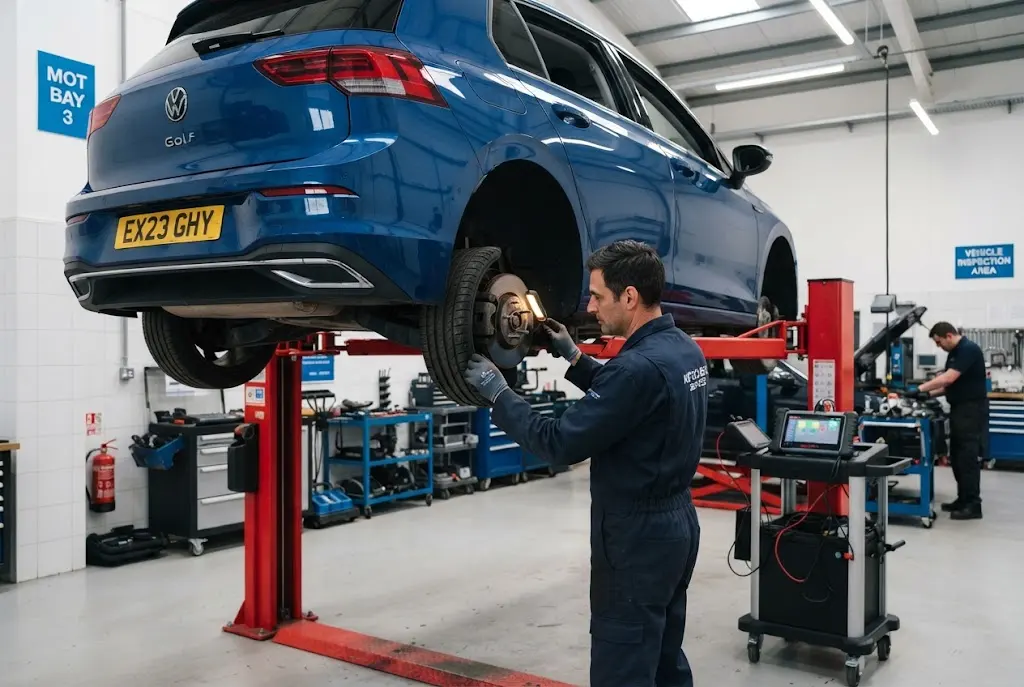
Auto repairs and MOT testing are related but distinct activities. An MOT assesses whether a vehicle meets specific legal requirements at the time of testing, whereas a repair addresses a mechanical, electrical or other fault.
An MOT failure can result in repairs being required before the vehicle meets the relevant testing standards. However, not every repair is related to an MOT, and a vehicle can require maintenance or repairs even when it has recently passed its test.
Drivers can explore the difference between the two processes in our guide to MOT and service requirements.
The Future of the UK Auto Repair Industry
The UK’s repair industry is entering a period of continued technical change. Electric vehicles, hybrids, advanced driver assistance systems, connected technology and increasingly sophisticated electronic systems will influence workshop operations.
At the same time, conventional vehicles will remain part of the UK vehicle fleet for many years. Repair businesses therefore need to manage a diverse mix of technologies rather than focusing on only one type of vehicle.
Workshops that invest in technician development, diagnostic capability and appropriate safety procedures will be better positioned to serve this changing market.
Customer expectations will also continue to influence the sector. Drivers increasingly value transparent estimates, convenient communication, efficient diagnosis and confidence that recommended repairs are genuinely appropriate.
Why Auto Repair Services Will Remain Essential
Vehicles may become more technologically advanced, but they will continue to experience wear, faults and component failures. That means professional repair services will remain necessary throughout the ownership lifecycle.
The nature of repair work may change, with technicians increasingly combining mechanical expertise with electrical and digital skills. However, the fundamental purpose remains the same: diagnosing vehicle problems accurately and restoring the vehicle to an appropriate operating condition.
For motorists, understanding the repair market can make workshop decisions easier. Knowing the difference between scheduled maintenance, diagnostic investigation and corrective repair helps owners ask better questions and understand estimates more clearly.
For automotive businesses, the changing repair sector represents both a challenge and an opportunity. The workshops that can adapt to new technologies while maintaining strong technical standards and customer service are likely to remain valuable parts of the UK’s automotive aftermarket.
As the UK’s vehicle fleet continues to evolve, auto repair services will remain a core component of the wider automotive ecosystem, supporting everything from everyday commuting and family transport to commercial fleets and essential business operations.