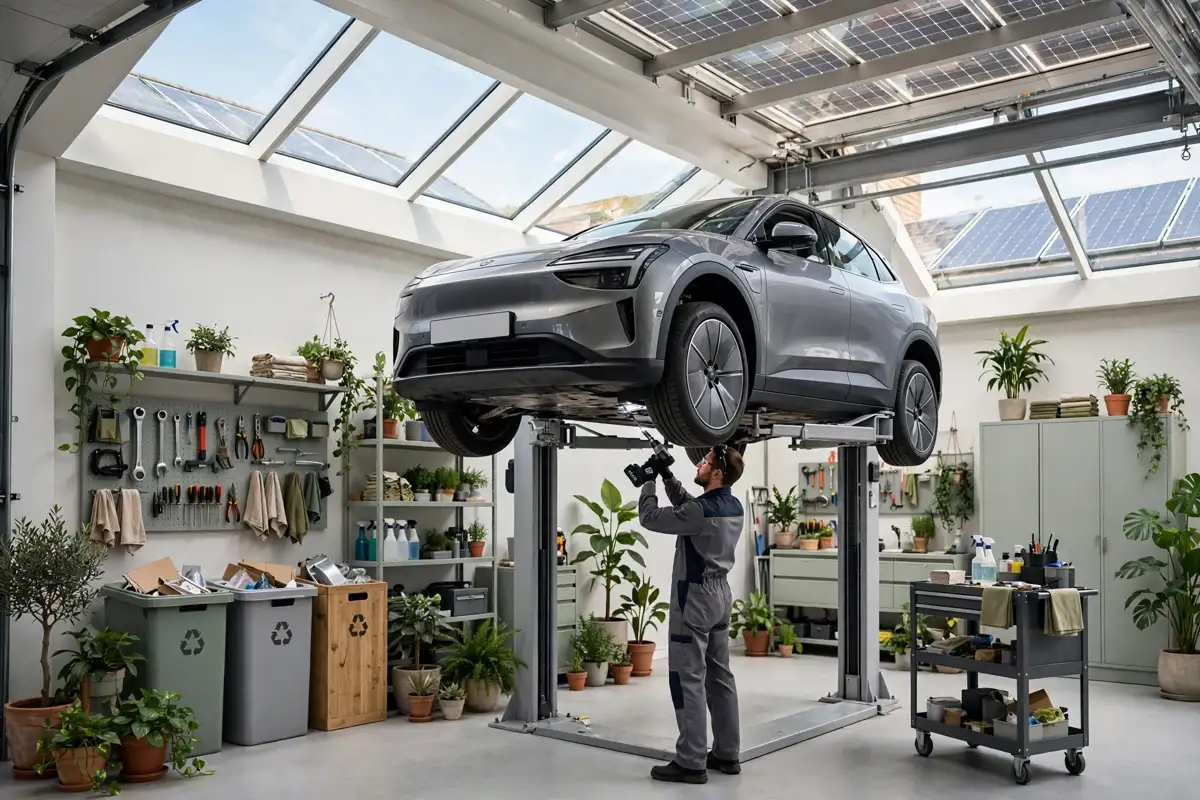
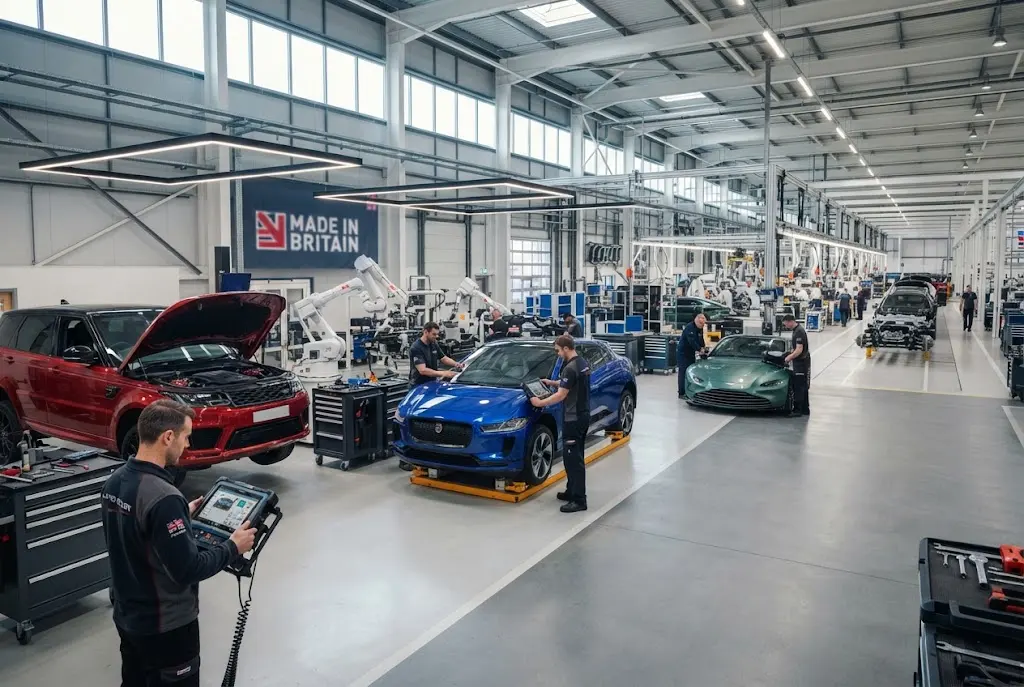
Auto care services depend on skilled people to keep vehicles maintained, repaired, inspected and safe for everyday use. From independent garages and dealerships to mobile mechanics and specialist workshops, the UK’s automotive service sector provides employment opportunities across a wide range of technical and customer-facing roles.
At the same time, the industry faces changing skills requirements. Modern vehicles increasingly combine mechanical systems with electronics, software and advanced diagnostic technology. As a result, recruitment, apprenticeship programmes and workforce development have become important considerations for businesses trying to maintain a capable automotive workforce.
The Importance of Auto Care Services to the UK
Vehicles remain an important part of daily life and business activity across the UK. Cars, vans and other road vehicles require regular servicing, maintenance, inspections and repairs throughout their working lives. This creates continuing demand for technicians and other professionals within the automotive aftermarket.
Auto care services cover a broad range of activities. Routine servicing may involve replacing filters, checking fluids and inspecting key components, while more complex work can involve diagnostics, electrical systems, braking systems, suspension, steering or engine-related repairs.
The nature of this work means that automotive businesses need people with practical skills as well as the ability to understand increasingly sophisticated vehicle systems.
How Auto Care Services Create Automotive Jobs
The automotive service sector supports more than the traditional role of a garage mechanic. Businesses can require technicians, diagnostic specialists, service advisers, parts professionals, workshop managers, customer-service staff and administrative employees.
Independent workshops may employ technicians across several areas, while larger automotive businesses can divide responsibilities between specialised departments. Mobile businesses can create additional opportunities for technicians who prefer field-based work.
This variety means that automotive jobs can suit people with different combinations of technical ability, customer-service skills and business experience. However, technical roles remain particularly dependent on appropriate training and hands-on competence.
Why the Automotive Skills Gap Matters
The automotive sector is changing quickly. A technician working on a modern vehicle may need to understand traditional mechanical components alongside electrical systems, electronic control units and computerised diagnostic equipment.
This creates a potential skills gap when existing workers need to update their knowledge while new entrants require training that reflects current vehicle technology.
The challenge is not simply about having enough employees. Automotive businesses need people with the right skills for the vehicles they are servicing. A shortage in a particular technical area can make recruitment more difficult and may place additional pressure on existing workshop teams.
For customers, the issue also matters. Vehicle maintenance depends on technicians being able to identify faults accurately and complete repairs using appropriate procedures and equipment.
Technician Shortages and Recruitment Challenges
Technician shortages can affect the ability of automotive businesses to expand their services or maintain efficient workshop operations. Recruiting an experienced technician is not always straightforward because employers may be competing for people with similar technical backgrounds.
Smaller garages can face particular challenges. They may not have the same recruitment budgets or training resources as larger organisations, yet they still need to keep pace with changes in vehicle technology.
Recruitment therefore needs to be considered alongside retention and training. An employer that creates opportunities for employees to develop their skills can potentially build a stronger long-term workforce rather than relying entirely on experienced candidates entering the business from elsewhere.
The Role of Apprenticeship Programmes
Apprenticeship programmes provide one route into automotive employment. They combine workplace experience with structured learning, allowing new entrants to develop practical knowledge while gaining exposure to real workshop environments.
For employers, apprenticeships can form part of a longer-term workforce strategy. Instead of recruiting only fully experienced technicians, a business can help develop new talent according to the requirements of its own operation.
However, effective apprenticeship training requires commitment from both sides. Apprentices need proper supervision and opportunities to practise their skills, while employers need suitable workplace processes and experienced staff who can support learning.
Official information about apprenticeships, including employer responsibilities and available programmes, is provided through the UK’s GOV.UK apprenticeship service.
Workforce Development in the Automotive Sector
Workforce development is becoming increasingly important as the composition of the vehicle fleet changes. Training cannot stop when a technician completes an initial qualification. Continuing professional development can help workers keep up with new diagnostic methods, vehicle systems, repair procedures and safety considerations.
This is particularly relevant to businesses working with hybrid and electric vehicles. These vehicles can involve high-voltage electrical systems and different technical requirements from conventional internal-combustion vehicles. Businesses need to ensure that employees undertaking relevant work have appropriate training and competence.
Technology also affects diagnostic work. Technicians may increasingly interact with software-based systems and electronic information when identifying vehicle faults. This creates a need for a workforce that is comfortable combining practical mechanical skills with digital tools.
Training Is Not Only for New Technicians
It can be tempting to associate automotive training entirely with apprentices and new entrants. In reality, experienced employees may also need regular training as vehicles and repair methods evolve.
A technician with many years of experience may have strong mechanical knowledge but still need additional education when dealing with newer vehicle technologies. Businesses that recognise this can make training part of normal operational planning rather than treating it as an occasional requirement.
This approach can also help preserve valuable industry knowledge. Experienced technicians can share practical knowledge with younger workers while continuing to develop their own capabilities.
Mobile Mechanics and Changing Employment Models
The growth of mobile automotive services is creating another dimension within the employment landscape. A mobile auto service can allow technicians to work directly at customer locations rather than operating exclusively from a fixed workshop.
This model can appeal to experienced professionals who want to operate independently or build their own customer base. It can also create opportunities for technicians who prefer field-based work.
However, mobile servicing requires more than technical ability. A technician working independently may also need to manage scheduling, customer communication, equipment, travel, invoicing and business administration.
Independent Workshops and Employment Opportunities
Independent workshops remain an important part of the UK automotive service landscape. They can provide employment in local communities while offering motorists an alternative to manufacturer-affiliated service networks.
For smaller businesses, attracting skilled workers can be challenging. However, their size can also provide advantages. Employees may have the opportunity to work on a broader range of vehicles and take on responsibilities that would be divided between several departments in a larger organisation.
A strong local reputation, clear career progression and investment in training can all contribute to making an independent workshop more attractive to potential employees.
How Diagnostic Technology Is Changing Technician Roles
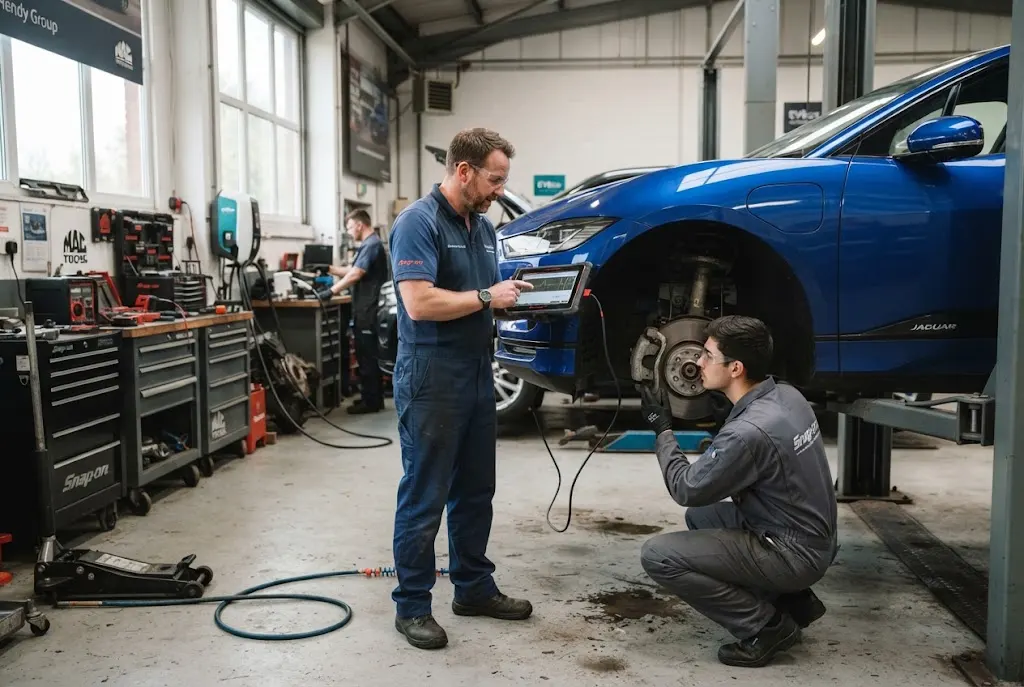
Modern diagnostics have changed the day-to-day work of many automotive technicians. Electronic systems can generate fault codes and other information that can help identify potential problems, but interpreting that information still requires technical judgement.
Diagnostic equipment should therefore be viewed as a tool rather than a substitute for skilled technicians. A fault code does not always identify the root cause of a problem by itself. Technicians may need to combine diagnostic information with physical inspection, testing and their understanding of vehicle systems.
This combination of digital and practical skills is likely to remain important as vehicles become more connected and electronically controlled.
Career Development Across the Automotive Industry
The automotive sector can offer several routes for career development. Someone entering through an apprenticeship may progress into a qualified technician role before specialising in diagnostics, electrical systems, vehicle technology or workshop management.
Other professionals may move towards customer-facing or operational positions. Service advisers, workshop controllers and managers need a strong understanding of automotive work while also dealing with scheduling, customers and business performance.
For employers, creating visible progression routes can make it easier to retain capable employees. It can also help businesses develop future supervisors and managers internally.
Preparing the Automotive Workforce for the Future
The future workforce will need to adapt to a changing vehicle market. Electric vehicles, hybrid systems, advanced driver assistance technology and increasingly connected vehicle systems are influencing the skills required throughout the aftermarket.
This does not mean traditional mechanical knowledge is becoming irrelevant. Brakes, tyres, suspension, steering, body components and many other physical systems will continue to require inspection and maintenance. Instead, technicians increasingly need a combination of mechanical, electrical and digital capabilities.
Businesses can prepare by identifying skills gaps, supporting continuing training and considering how recruitment can complement their existing workforce. Apprenticeships can help develop new talent, while targeted training can help experienced technicians adapt to emerging technologies.
The Link Between Employment and Vehicle Service Quality
Workforce capability ultimately affects the quality of automotive services available to customers. Well-trained technicians are better positioned to carry out inspections, diagnose faults and complete maintenance according to appropriate procedures.
This is why workforce development should not be treated as a separate issue from customer service. Investment in people can contribute to consistent workshop standards, accurate diagnosis and better communication with vehicle owners.
It also connects directly with broader vehicle maintenance practices. Customers who want to understand their vehicle’s condition can benefit from professional auto inspection services before deciding whether further maintenance or repair is required.
The Future of Automotive Employment in the UK
The UK’s automotive employment landscape is likely to continue changing as vehicles, customer expectations and service models evolve. Businesses will need technicians who can work confidently with both established mechanical systems and newer technologies.
At the same time, recruitment alone will not solve every workforce challenge. Apprenticeship programmes, continuing education, career progression and effective workforce planning all have roles to play in developing a sustainable skills base.
For the automotive aftermarket, the central challenge is straightforward: vehicles are becoming more technologically advanced, while customers still expect safe, reliable and practical servicing. Meeting that expectation depends on having capable people behind the tools and diagnostic equipment.
Ultimately, auto care services are supported by a workforce that can learn, adapt and apply technical knowledge effectively. By investing in recruitment, apprenticeships and long-term skills development, automotive businesses can strengthen their teams and prepare for the changing demands of the UK’s vehicle market.