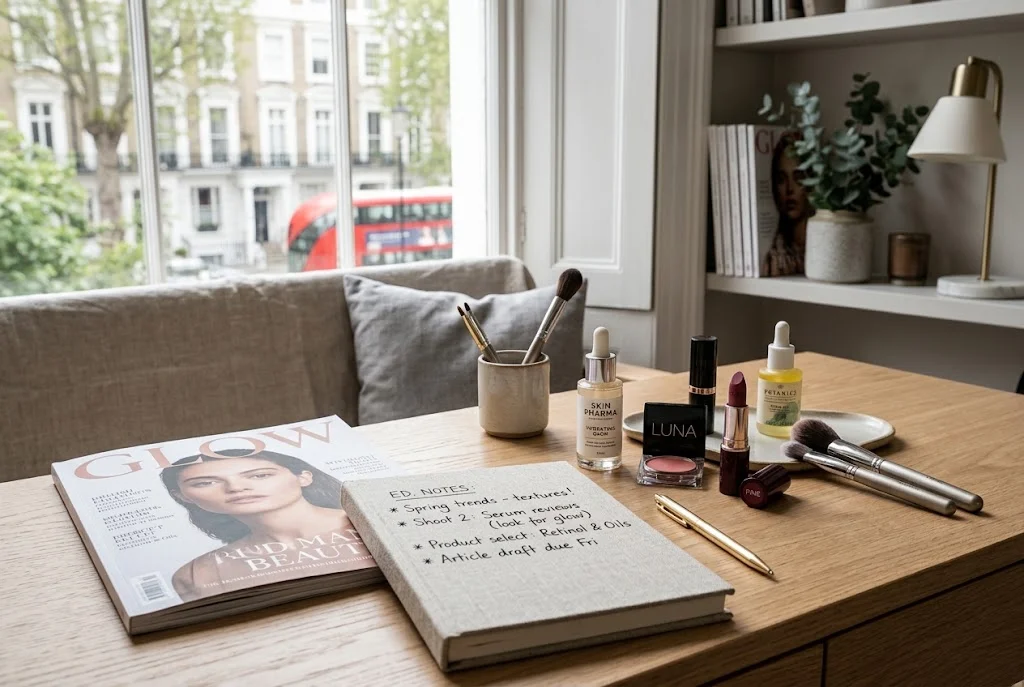

The UK beauty industry is much broader than the products on a bathroom shelf. It covers the making, selling and marketing of skincare, make-up, fragrance, haircare and personal care, as well as the salons, spas, barbers and clinics where treatments are provided as a service. For a student, a jobseeker or anyone thinking of starting a beauty business in the UK, understanding how those parts fit together makes the sector far easier to navigate. This guide explains the UK beauty industry in plain terms: what it includes, how the UK beauty market is structured, who the main types of participant are, how people earn a living from it, how it is regulated in outline, and the forces shaping its future.
What the UK Beauty Industry Includes
Several overlapping terms describe much the same world. The UK cosmetics industry usually refers to products: the creams, colour cosmetics, fragrances and toiletries that are made, packaged and sold to customers. The UK personal care industry is a little broader, taking in everyday washing, grooming and hygiene products alongside more indulgent purchases. The British beauty industry, as most people use the phrase, includes both products and services, from a lipstick bought online to a facial, a haircut or a manicure carried out by a trained professional.
Those boundaries matter because they explain why the sector can look like several industries at once. Part of it behaves like fast-moving consumer retail, where brands compete for shelf space and repeat purchases. Part of it is a local service economy built on skill, trust and regular appointments. Another part sits close to fashion and media, following trends, seasons and celebrity culture. A useful way to read the beauty industry in the UK is therefore not as one market, but as a set of linked markets sharing the same customer.
The Main Segments of the UK Beauty Sector
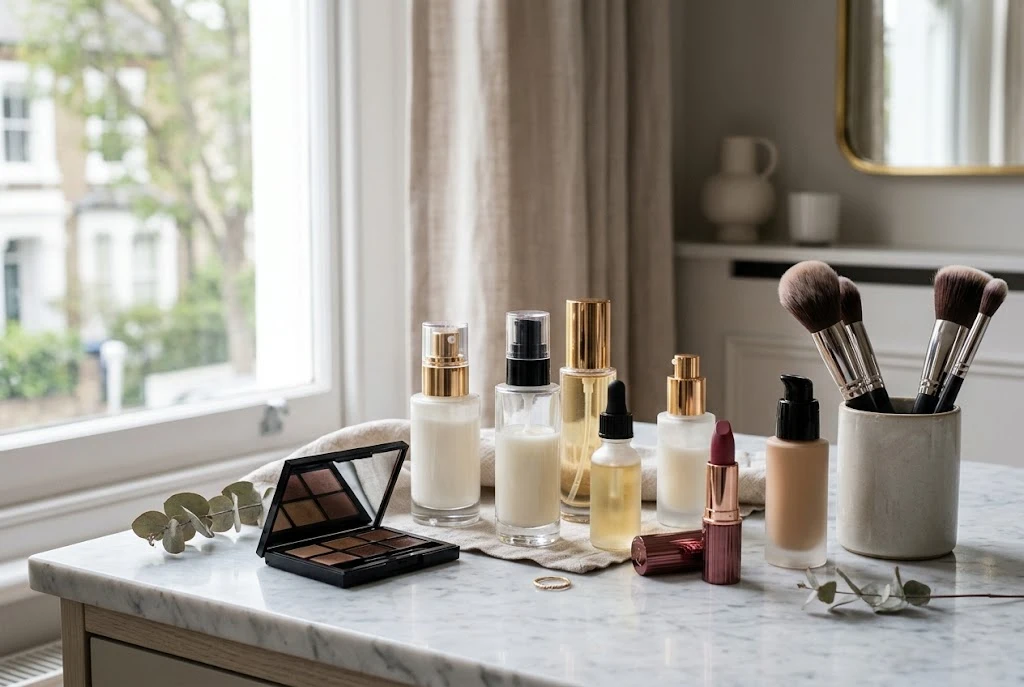
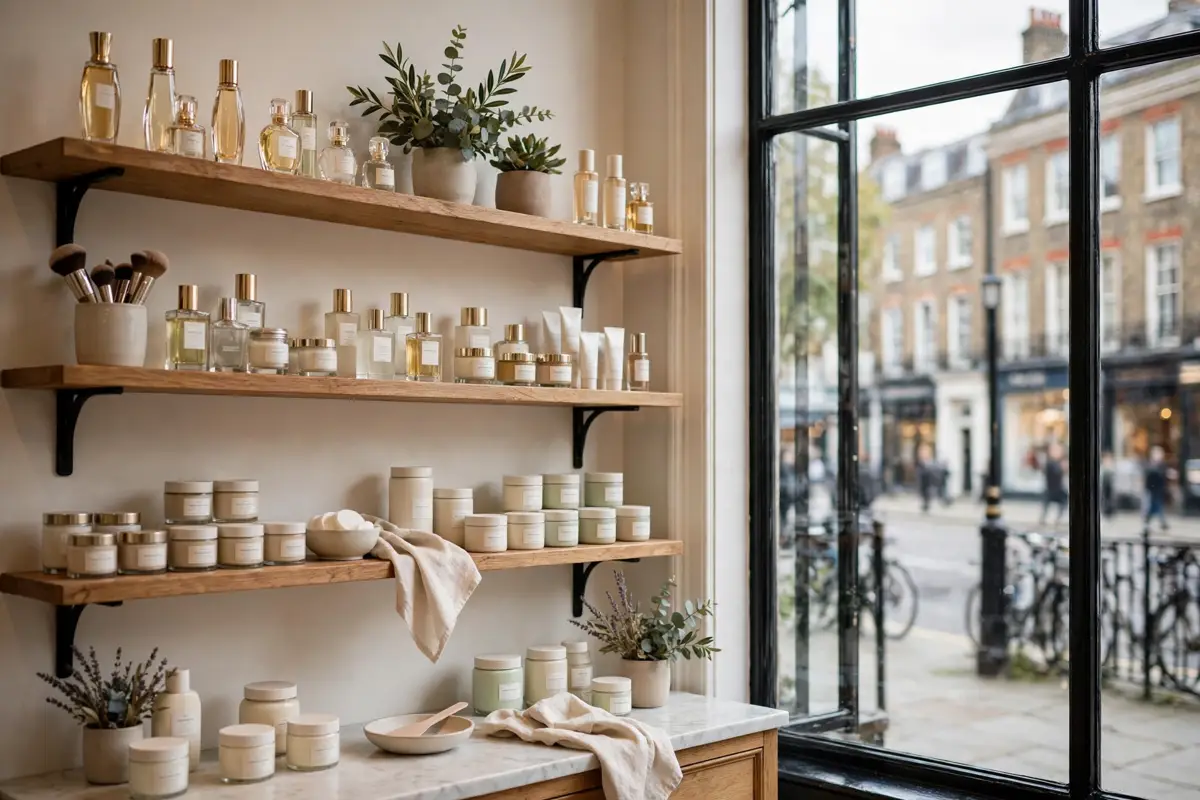
Skincare is the foundation segment for many brands and retailers. It ranges from everyday cleansing and moisturising to sun care and products aimed at particular concerns such as sensitivity, dryness or blemishes. Make-up sits alongside it, covering complexion products, eye and lip colour and the tools used to apply them. Fragrance completes the classic trio, from accessible body sprays to fine perfumery sold as a luxury purchase or a gift. For shoppers, the challenge is rarely a lack of choice. It is knowing which products suit their skin, budget and routine, which is why clear guidance on choosing the best beauty products wisely is such a useful starting point.
Haircare, grooming and personal care
Haircare covers shampoos, conditioners, styling and colour, together with products made for different hair types and textures. It connects the product market directly with salons and barbers, because professional advice often shapes what customers later buy for home use. Personal care adds bath, body, shaving, oral care and hygiene essentials. These are modest, repeat purchases, yet they give the UK beauty sector much of its everyday stability: people may delay a luxury item, but they keep buying the basics.
Professional services: salons, spas and clinics
Services are the human face of the sector. Hair salons, barbers, nail studios, beauty therapists, spas and aesthetic clinics sell time, technique and experience rather than a packaged product. Their customers are often local and loyal, returning to a practitioner they trust. Services also create demand for professional product ranges, training, equipment and premises, so a busy salon supports far more of the wider industry than its own treatment list suggests.
How Beauty Reaches Customers: Retailers and Routes to Market
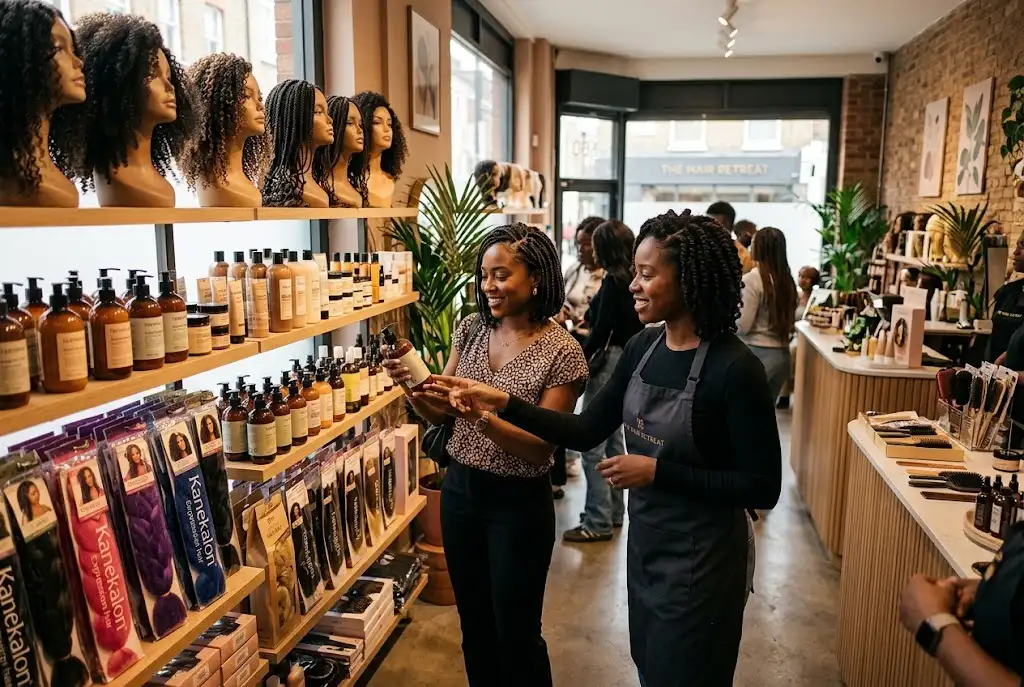
A beauty business in the UK can reach customers through many channels, and most larger brands use several at once. High-street health and beauty retailers, pharmacies, supermarkets and department stores remain familiar places to browse, test and buy. Familiar high-street names sit alongside supermarket beauty aisles and the beauty halls that anchor larger stores. Specialist retailers serve needs that general stores do not always meet in depth, whether that is professional haircare, products for textured hair or advice-led shopping, as our guide to finding a Black hair shop in the UK explores.
Online retail has changed how the British cosmetics market works without removing the shop floor. Brand websites, online marketplaces and social platforms let small labels reach a national audience, while reviews, tutorials and before-and-after content influence decisions long before checkout. Click-and-collect, subscriptions and direct-to-consumer launches give customers more routes to the same product. Even so, shade matching, fragrance and personal advice still reward physical retail, which is why the strongest retailers treat stores and digital channels as one journey rather than rivals.
Brands, Makers and the People Behind the Products
Behind the shelves, the brand landscape has several layers. Large international groups sell portfolios of well-known names across many countries. British heritage and premium brands trade on history, formulation or a distinctive point of view. A lively tier of independent and founder-led labels often starts with one problem, one community or one hero product, building a following online before winning retail listings. Retailers add their own-label ranges too, which compete on value and convenience.
Many names consumers recognise do not manufacture everything themselves. Contract manufacturers, formulators, packaging suppliers and logistics firms do much of the unseen work that turns an idea into a compliant, repeatable product. Marketing is just as important as making. How a product is photographed, reviewed, searched for and explained shapes whether it is found at all, and our guide to beauty SEO and search visibility shows how that discovery process works in practice. In the modern UK cosmetics industry, a good product still needs a clear story, honest claims and a route to the right audience.
Working in the Industry: Jobs and Beauty Businesses
Work in the sector is far more varied than the stereotype of a single salon role. Front-line jobs include hairdressers, barbers, beauty therapists, nail technicians, make-up artists, spa therapists and retail beauty advisers. Some people are employed by a salon, spa, store or clinic. Others are self-employed, rent a chair or a room, work mobile, or build a client base before opening premises of their own. Owning a beauty business in the UK therefore involves much more than technical skill: pricing, rebooking, retail sales, hygiene, insurance, stock and customer care all decide whether talent becomes a sustainable living.
There is also a large world behind the scenes. Product development, buying, merchandising, education and training, sales, marketing, content, operations and management all offer routes in for people who love the sector but do not want a treatment-room role. Qualifications, apprenticeships and short specialist courses provide different entry points, and portfolios and practical experience matter a great deal. If you are weighing up your options, our guide to beauty careers, jobs and skills in the UK sets out the main paths and what each one involves.
Regulation and Safety in Outline
Beauty is a trust business, and regulation underpins that trust. Cosmetic products sold in the UK must meet UK cosmetics rules covering product safety, ingredient restrictions, labelling and the naming of a responsible person who takes legal responsibility for the product. Ingredients must be listed so customers can check what they are using, and products must be made and presented in ways that are not misleading. Claims are also controlled: a product can describe its cosmetic purpose, but it should not promise a medical effect it cannot support, and advertising must be honest and evidence-based.
For services, the picture is more local and practical. Hygiene, safe working, suitable training and proper insurance are basic expectations, and some treatments and premises are subject to local licensing or registration requirements that vary by area and by procedure. Reputable practitioners explain consultations, patch tests, aftercare and risks clearly before a treatment begins. Readers should treat this section as an outline rather than legal advice, but the principle is simple: in the British beauty industry, safety, traceability and honest information are not extras. They are part of the product.
What Is Shaping the British Beauty Industry Now?
Several forces are reshaping the sector at the same time. Sustainability has moved from a niche claim to a design question, affecting packaging, refills, ingredient sourcing and how clearly brands explain their choices. Transparency has grown with it. Customers read ingredient lists, ask about testing and expect claims to mean something specific. Inclusivity has widened shade ranges, haircare for different textures and imagery that reflects a broader Britain, although most readers would agree there is still progress to make.
Technology and media shape demand just as strongly. Short video, creator recommendations and online reviews can take a small label to a wide audience quickly, but they can also spread poor advice, which makes trusted editorial guidance more valuable, not less. Value matters too. When household budgets are under pressure, some shoppers trade down, some buy fewer items but choose them more carefully, and affordable treats can hold up because they feel like a small, manageable luxury. The UK beauty market rewards brands and services that combine that sense of treat with genuine usefulness.
Outlook for the Beauty Industry in the UK
The outlook for the UK beauty sector rests on habits that are deeply rooted. Grooming and personal care are part of daily life, celebrations, work and self-confidence, and professional services depend on hands-on skill that cannot be fully digitised. That gives the industry a resilience that purely trend-led categories do not always have. At the same time, it is not immune to change. Rents, energy and staffing costs affect salons and stores, online competition affects margins for brands, and customers expect more evidence, more inclusivity and less waste with every purchase.
The strongest opportunities are likely to sit where those pressures meet real needs: services built on expertise and trust, products with a clear purpose and honest formulation, specialist retail that understands its community, and businesses that use digital channels to educate rather than simply to shout. For newcomers, the lesson of this pillar is encouraging but grounded. The UK beauty industry is creative, varied and open to small entrants, yet it rewards preparation. Understand the customer, learn the rules, choose a segment properly and build a reputation slowly. In a market this personal, reputation is the asset everything else depends on.
Taken together, those points describe the beauty industry UK readers encounter every day, whether they notice it or not: a beauty business UK founders can enter at many scales, from a single treatment room to a national brand, but one where customers reward expertise, honesty and consistency far more than novelty for its own sake.