
Automotive service companies play a central role in keeping Britain’s cars, vans and commercial vehicles safe, reliable and roadworthy. The UK market includes large national service brands, manufacturer-authorised centres, independent garages, regional operators and specialist workshop groups, giving motorists a wide range of choices when they need maintenance or repairs.
This variety is one of the defining features of Britain’s automotive aftermarket. The Society of Motor Manufacturers and Traders describes a sector supporting more than 42 million vehicles and tens of thousands of workshops, including independent chains, manufacturer-approved repairers, single-site workshops and franchised businesses. :contentReference[oaicite:0]{index=0}
For motorists, that competition can create more choice. However, it can also make it difficult to understand how different types of businesses compare. A national service brand may offer extensive coverage, while an independent garage may provide highly personal service. An authorised service centre can offer manufacturer-specific expertise, whereas a specialist workshop may focus on one particular type of vehicle or repair.
What Are Automotive Service Companies?
Automotive service companies are businesses that provide maintenance, inspection, repair, servicing or related support for vehicles. They range from small independent workshops to large national organisations with hundreds of locations.
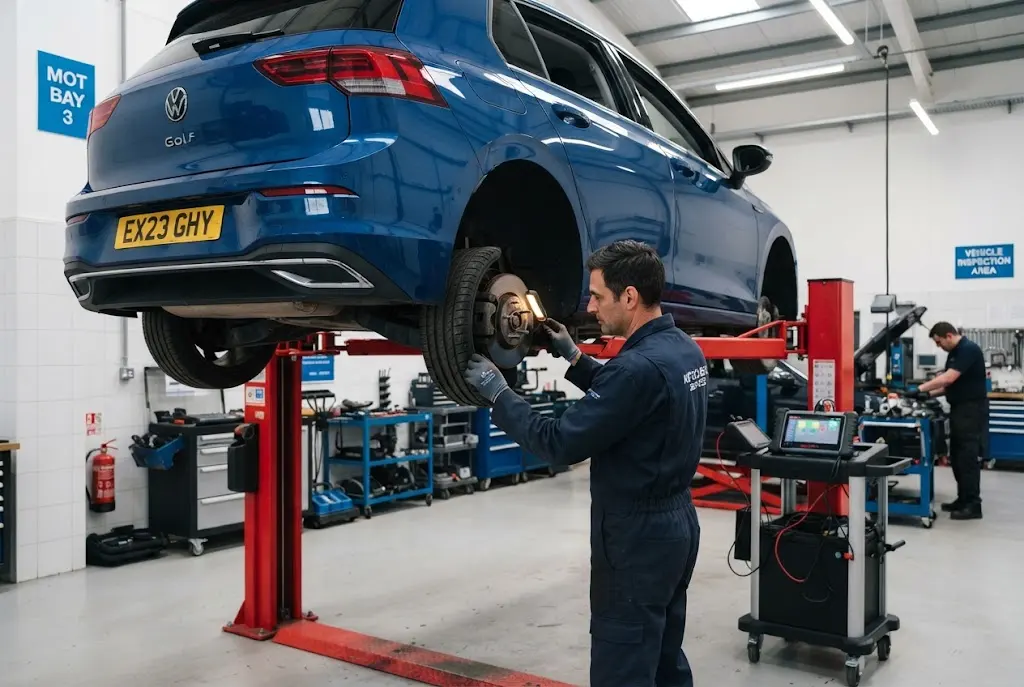
The services available vary considerably. Depending on the business, customers may find MOT testing, routine servicing, diagnostics, brake repairs, tyres, exhaust work, suspension repairs, air conditioning, battery replacement, body repairs and fleet maintenance.
Some businesses operate their own branches, while others create networks of independently owned garages that work under common standards or branding. This distinction is important because the size of a brand does not necessarily mean every workshop is owned and operated centrally.
The UK Automotive Service Market Is Highly Competitive
The UK automotive aftermarket has developed into a particularly competitive environment. SMMT research highlights the strong presence of the independent aftermarket and notes that British motorists have significant choice over where and how their vehicles are serviced. :contentReference[oaicite:1]{index=1}
That competition comes from several directions. National chains compete with regional operators, while independent garages compete with both. Manufacturer networks add another layer by providing authorised servicing and repair for specific vehicle brands.
Meanwhile, new vehicle technology is changing the capabilities workshops need. Hybrid and electric vehicles require different technical knowledge, diagnostic systems and safety procedures. This means market competition increasingly involves technical capability as well as price and location.
National Service Brands and Large Workshop Groups
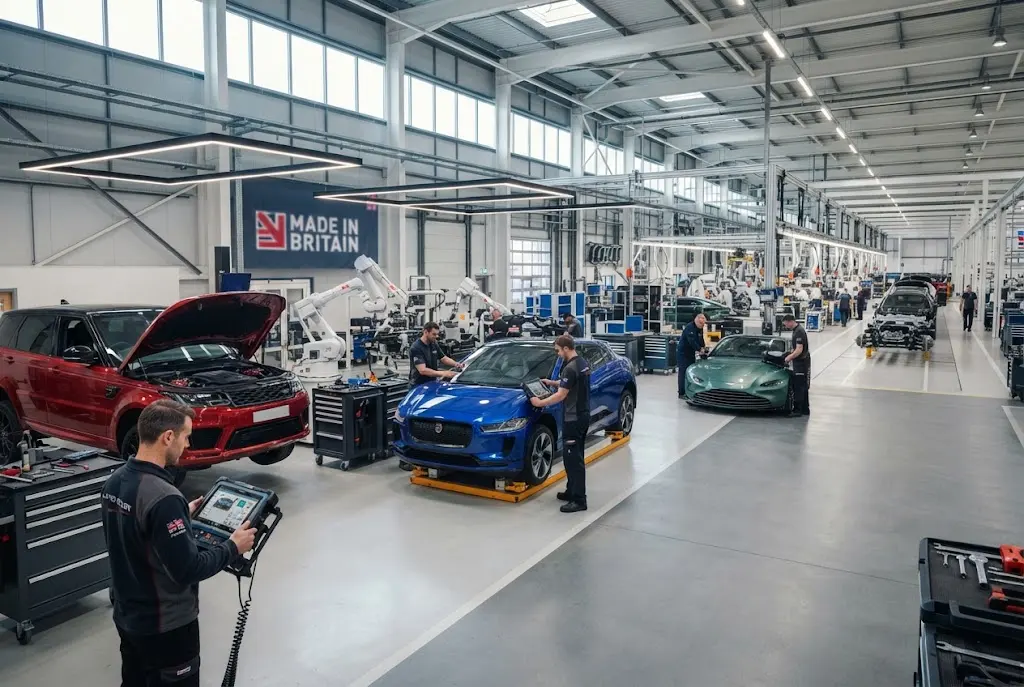
National service brands have an obvious advantage in geographical coverage. A company with numerous branches can serve motorists in different towns and cities while providing centralised booking systems, national marketing and standardised service procedures.
Large networks can also benefit from purchasing power and investment in equipment and training. These advantages can help them compete for routine maintenance, tyres, MOTs, servicing and fleet work.
For motorists who want to explore the largest networks, our guide to Britain’s leading garage chains provides a useful comparison of the major operators and different network models.
Independent Garages Remain a Major Force
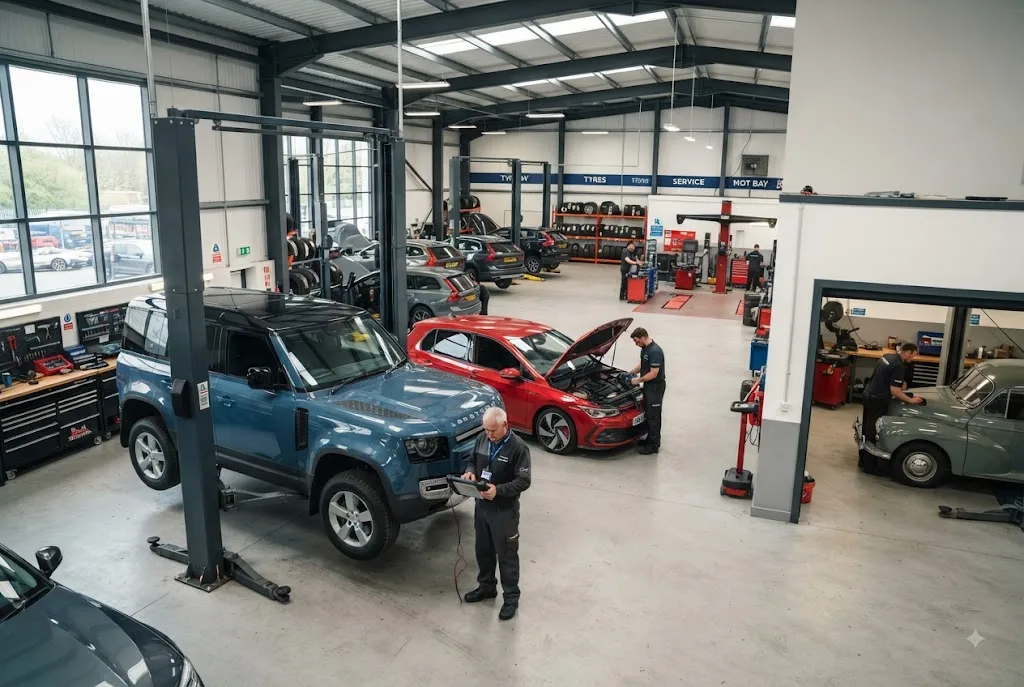
Independent garages are one of the most important parts of the UK automotive service market. They range from small family-run workshops with a handful of employees to larger independent groups operating multiple locations.
The main advantage can be local knowledge. An established independent garage may have served the same community for years and built strong relationships with repeat customers. Owners and technicians may also have significant experience with particular vehicle types or recurring local demand.
Independents can also have flexibility in how they structure their services. A workshop may specialise in diagnostics, German vehicles, classic cars, commercial vehicles, tyres, bodywork or general mechanical repairs.
However, motorists should assess individual garages carefully. A strong local reputation, transparent quotations, appropriate qualifications and evidence of professional standards can be more meaningful than the word “independent” alone.
Authorised Service Centres and Manufacturer Networks
Authorised service centres operate within manufacturer-backed networks and can be particularly attractive to owners who want brand-specific expertise. These businesses generally work with manufacturer procedures, diagnostic systems, technical information and approved parts requirements.
This model can be especially relevant for newer vehicles or complicated repairs. Manufacturer networks may have direct access to technical information and systems designed specifically for their vehicles.
There can also be a difference in customer expectations. Some motorists prioritise manufacturer involvement, while others prefer the potentially greater flexibility or lower overheads associated with an independent workshop.
The best choice depends on the vehicle, repair and owner’s priorities. A routine maintenance job may have several suitable options, whereas a complex software-related fault or specialist warranty matter may make an authorised centre more appropriate.
Workshop Groups and Approved Garage Networks
Between national chains and individual independent garages sits another important model: the approved workshop network.
These networks allow independently owned garages to operate within a wider programme. The network operator may establish requirements covering equipment, technician qualifications, customer service, inspections, pricing transparency or complaints procedures.
The AA, for example, states that its approved garages are independently owned or part of franchise groups rather than being owned or managed by the AA. Its network uses inspections and ongoing audits to assess areas such as technician qualifications, equipment, customer service and price transparency. :contentReference[oaicite:2]{index=2}
This model gives smaller businesses access to a recognised network while allowing customers to benefit from additional quality controls and support.
Regional Operators Compete Through Local Strength
Regional operators occupy an important position in the market. They may not have the nationwide recognition of major brands, but they can develop strong reputations within particular areas.
A regional workshop group can combine several advantages: multiple branches, local brand awareness, central purchasing and operational systems, while retaining a closer connection to the communities it serves.
Regional operators can also respond quickly to local demand. For example, an area with a high concentration of commercial vehicles may support workshops specialising in fleet maintenance, while another market may have greater demand for premium vehicles, tyres or specialist diagnostics.
How Automotive Service Companies Compete
Competition among automotive service companies is influenced by several factors. Price remains important, but it is only one part of the decision.
Price and Value
Customers naturally compare quotations, particularly for routine servicing, tyres, brakes and MOT-related work. However, the cheapest quotation is not necessarily the lowest-cost option over the life of a vehicle.
Customers should consider what is included, which parts are being fitted, whether labour is covered by a warranty and whether additional work has been clearly explained.
Location and Convenience
Convenience has become increasingly important. Online booking, extended opening hours, collection and delivery services and mobile mechanics can reduce the disruption caused by vehicle maintenance.
Large networks often have an advantage in this area because they can offer multiple locations and centralised booking systems.
Technical Capability
Modern vehicles depend heavily on electronics, sensors, software and computer-controlled systems. Workshops therefore need more than traditional mechanical skills.
Diagnostic equipment, calibration systems, vehicle-specific technical information and trained technicians can all affect a company’s ability to compete for modern repair work.
Customer Trust
Trust is particularly important in automotive servicing because many customers cannot independently assess the condition of a vehicle or determine whether a recommended repair is necessary.
Clear quotations, transparent invoices, competent staff and straightforward complaints procedures can therefore become significant competitive advantages.
The Motor Ombudsman’s Service and Repair Code is designed to promote responsible practices among participating garages, including honest service, transparent pricing, competent staff and work completed as agreed. :contentReference[oaicite:3]{index=3}
The Growing Importance of Fleet Services
Automotive service companies do not only compete for private motorists. Fleet operators, leasing companies, rental businesses and corporate vehicle users represent another major customer group.
Fleet customers generally require consistent service, predictable costs, vehicle uptime and extensive geographical coverage. These requirements can favour larger networks or approved garage programmes.
The AA’s Prestige Fleet Servicing operation, for example, uses an approved network model for service, maintenance and repair work, with hundreds of garages across the UK. :contentReference[oaicite:4]{index=4}
For fleet operators, the ability to manage multiple vehicles through central systems can be just as important as the mechanical work itself.
Technology Is Reshaping Market Competition
Technology is changing what customers expect from workshops and what businesses need to invest in. Online booking, digital vehicle records, electronic health checks and automated customer communications are becoming increasingly common.
Workshop technology is changing too. Modern diagnostic equipment can help technicians identify faults across increasingly complex electronic systems. Advanced wheel alignment and calibration equipment can also support repairs involving steering, suspension and driver-assistance systems.
These developments mean that wheel alignment services and other specialist workshop capabilities are becoming part of a wider technical ecosystem rather than isolated maintenance tasks.
Hybrid and Electric Vehicles Will Change the Competitive Landscape
The transition towards electrified vehicles is likely to become one of the biggest long-term influences on automotive service companies.
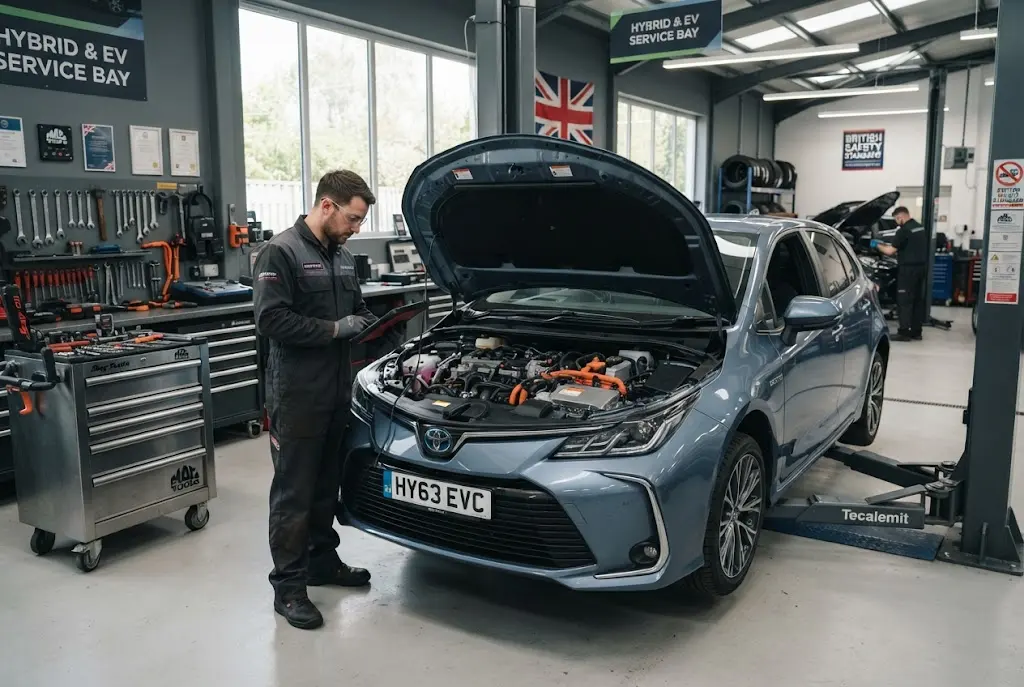
Hybrid vehicles combine combustion engines with electric systems, requiring technicians to understand both conventional mechanical components and high-voltage systems. Businesses targeting this market need appropriate training, safety procedures and diagnostic capability.
Electric vehicles introduce another set of requirements, including battery systems, electric motors, charging-related components and high-voltage safety. Our dedicated guide to hybrid servicing explores the workshop implications of this transition in more detail.
EV capability will also become increasingly important. As more electric vehicles enter the UK fleet, customers will look for EV servicing providers with the right equipment and technician skills.
What Makes an Automotive Service Company Competitive?
The strongest companies are unlikely to compete on a single factor. Instead, they need to combine several elements of the customer experience.
- Technical expertise: technicians need skills appropriate to increasingly complex vehicles.
- Service availability: convenient locations and booking options can influence customer choice.
- Transparent pricing: clear quotations help build confidence before work begins.
- Quality control: consistent processes can reduce variation between workshops.
- Training: continued professional development helps businesses keep pace with new technology.
- Customer support: effective communication matters before, during and after repairs.
- Digital capability: online booking and customer communication can make servicing easier.
- Specialist services: expertise in areas such as hybrids, EVs, diagnostics or alignment can create differentiation.
How Drivers Can Compare Automotive Service Companies
Motorists should start by identifying exactly what their vehicle needs. A basic MOT, tyre replacement or routine service may be available from many providers, while a complex electrical fault may require a specialist.
It is worth checking whether the business has experience with the specific vehicle, whether technicians have relevant training and what warranty applies to the work.
Customers should also compare like-for-like quotations. A low headline price may exclude important components or additional checks, while a higher quote may include a more comprehensive service.
Reviews can provide useful context, but they should not be the only factor. Accreditation, transparent business practices, technician competence and the company’s approach to explaining repairs can provide stronger evidence of professionalism.
The Future of Automotive Service Companies in Britain
The UK’s automotive service market is likely to remain fragmented and competitive. Large national brands will continue to benefit from scale, while independent and regional businesses can compete through specialist expertise and local customer relationships.
At the same time, the transition towards hybrid and electric vehicles will change the skills required across the industry. Companies that invest in technician training, diagnostic equipment and high-voltage safety will be better positioned to serve an evolving vehicle fleet.
The market will also continue to see different business models operating alongside each other. National service brands, authorised service centres, independent garages, workshop groups and approved networks can all serve different customer requirements.
Final Thoughts on Automotive Service Companies
Automotive service companies form a diverse and competitive part of Britain’s motoring infrastructure. There is no single business model that is automatically best for every vehicle or customer.
National brands can provide coverage and convenience. Independent garages can offer local expertise and personal service. Authorised service centres can provide manufacturer-specific knowledge, while approved networks can combine independent ownership with additional standards and support.
As vehicles become more connected, electrified and technically complex, competition will increasingly depend on capability rather than reputation or size alone. For motorists, understanding these differences makes it easier to select a workshop based on the actual needs of their vehicle.